
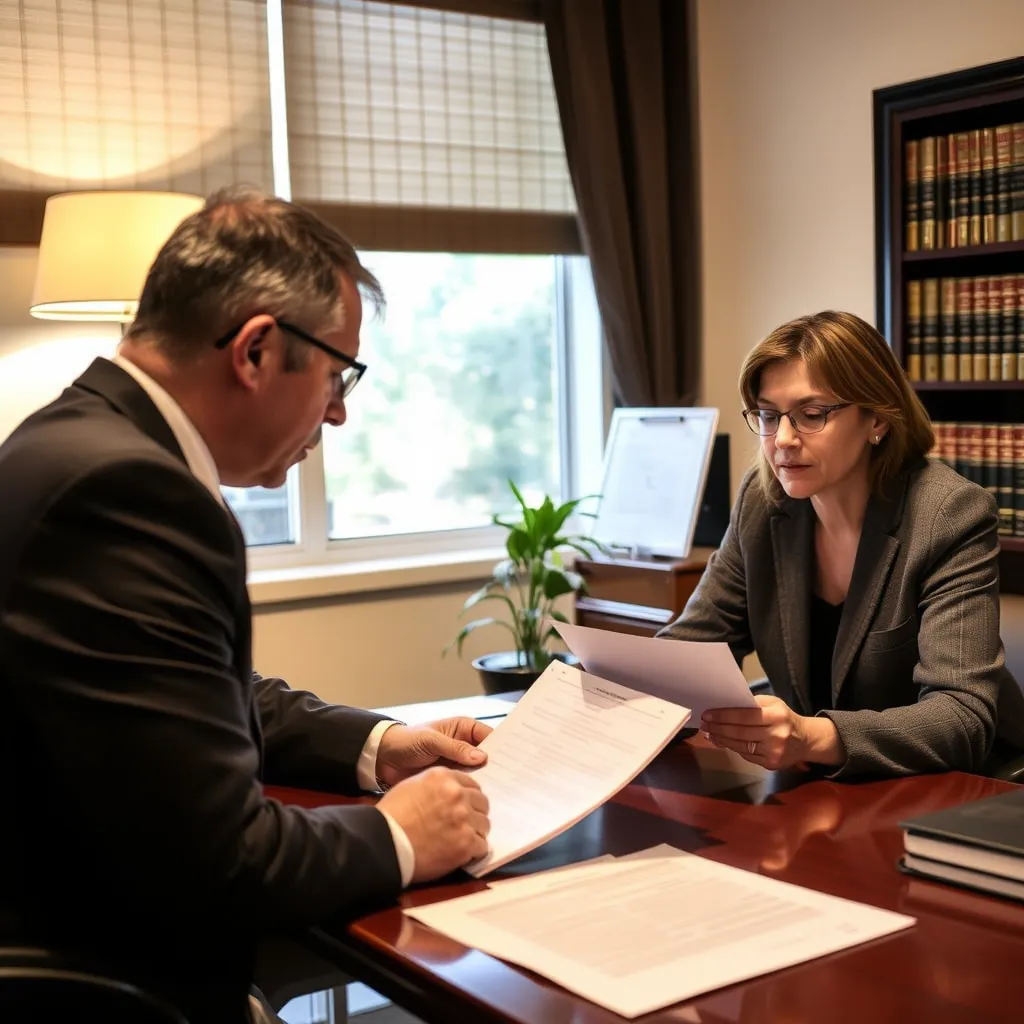
Note: This article is confirmed by Law Offices Of SRIS, P.C.
WRITTEN BY: Mr. Sris
Since 1997, Mr. Sris has led the firm, focusing on the most challenging criminal and family law cases… His background in accounting and information management aids in financial and technology-related cases… Involved in significant legislative changes in Virginia.
My focus since founding the firm in 1997 has always been directed towards personally handling the most challenging and involved criminal and family law matters our clients face.
I find my background in accounting and information management provides a unique advantage when handling the intricate financial and technological aspects inherent in many modern legal cases.
As someone deeply involved in the community, I believe it’s important to not only practice law but also to actively participate in shaping it, which is why I dedicated effort towards amending Virginia Code § 20-107.3 and achieving state recognition for cultural milestones.
protective filing lawyer Falls Church VA
What is protective filing
Protective filing encompasses legal documents submitted to courts to establish safety protocols and boundaries between individuals. These filings typically involve protective orders that restrict contact, communication, or proximity. The documents serve as official court records that outline specific conditions and limitations.
The process begins with understanding what situations warrant protective filings. These typically involve domestic violence, harassment, stalking, or threats to personal safety. The legal system provides different types of protective orders based on the specific circumstances and relationships involved.
Action steps for protective filing include gathering necessary documentation, completing required forms, and submitting them to the appropriate court. Evidence such as police reports, medical records, photographs, or witness statements may support the filing. Timely submission is important as courts prioritize safety matters.
Defense options exist for those responding to protective filings. Individuals can present counter-evidence, challenge allegations, or negotiate modified terms. Legal representation helps ensure proper procedures are followed and rights are protected throughout the process.
Professional insight emphasizes the importance of accurate documentation and adherence to court requirements. Protective filings have legal consequences for violations, making proper preparation vital. Courts consider the specific circumstances and evidence presented when determining appropriate protective measures.
Real-Talk Aside: These filings create legal boundaries, but enforcement depends on proper documentation and court follow-through. Missing details can weaken protection.
How to file for protective orders
Filing for protective orders follows established legal procedures that vary by jurisdiction. The process typically begins with obtaining the correct forms from the local courthouse or online resources. These forms require detailed information about the parties involved and the reasons for seeking protection.
The initial step involves completing the petition forms accurately. Information must include names, addresses, relationship details, and specific incidents prompting the request. Clarity and completeness help courts understand the situation and determine appropriate measures.
Action steps include gathering supporting evidence before filing. Documentation may include police reports, medical records, photographs of injuries or property damage, threatening messages, or witness statements. Organized evidence strengthens the petition and supports the need for protection.
Court procedures require filing the completed forms with the clerk’s office. Some jurisdictions offer emergency protective orders that can be obtained quickly in urgent situations. Regular protective orders typically involve scheduled hearings where both parties may present their cases.
Legal strategy involves understanding the different types of protective orders available. Emergency orders provide immediate but temporary protection, while longer-term orders require full hearings. Knowing which type applies to your situation helps manage expectations and preparation.
Professional guidance ensures proper court procedures are followed. Attorneys help complete forms correctly, organize evidence effectively, and prepare for hearings. They understand local court requirements and can address procedural questions that arise during the process.
Real-Talk Aside: Court forms require precise details—vague descriptions may result in denied petitions. Evidence organization matters as much as the incidents themselves.
Can I modify existing protective orders
Modifying existing protective orders is possible through proper court procedures. Changes may address various aspects including contact terms, duration, geographic restrictions, or specific conditions outlined in the original order. The process requires demonstrating changed circumstances or new information.
The basis for modification typically involves significant changes in the situation since the original order was issued. This may include reconciliation attempts, changed living arrangements, employment circumstances, or other relevant factors. Courts consider whether modifications serve the interests of all parties involved.
Action steps for modification begin with reviewing the current order’s terms and identifying specific changes needed. Documentation supporting the requested modifications must be prepared, including evidence of changed circumstances or agreements between parties when applicable.
Court procedures require filing a motion to modify the existing order. The process involves serving notice to the other party, attending hearings, and presenting arguments for the requested changes. Both parties have the opportunity to present their positions regarding proposed modifications.
Legal considerations include understanding that modifications can work in both directions—either relaxing or tightening restrictions. Courts balance safety concerns with practical considerations when evaluating modification requests. The original reasons for the protective order remain relevant factors.
Defense strategies for those opposing modifications involve presenting evidence that original concerns persist or that proposed changes would compromise safety. Courts carefully evaluate whether modifications would maintain adequate protection while addressing changed circumstances.
Professional insight emphasizes that modification requests should be approached thoughtfully. Rushed or poorly supported requests may be denied, and unsuccessful attempts can affect future modification considerations. Proper preparation and legal guidance improve the likelihood of appropriate modifications.
Real-Talk Aside: Courts hesitate to modify orders without clear evidence of changed circumstances. Vague requests often get denied, requiring specific documentation.
Why hire legal help for protective matters
Hiring legal help for protective matters provides several advantages in managing court procedures and protecting rights. Attorneys understand the specific requirements of local courts and can guide clients through each step of the process. This includes completing forms accurately, gathering appropriate evidence, and preparing for hearings.
Legal representation helps ensure proper procedures are followed from initial filing through enforcement. Attorneys can identify potential issues early and address them before they become problems. They understand deadlines, filing requirements, and court expectations that may not be apparent to those unfamiliar with the legal system.
Documentation management represents a significant benefit of legal assistance. Protective matters require specific forms and supporting evidence presented in particular formats. Attorneys know what documentation courts expect and how to organize it effectively to support the case.
Court strategy development benefits from professional guidance. Attorneys can help determine the most appropriate type of protective order for the situation, prepare for potential counter-arguments, and develop effective presentation strategies for hearings. They understand how courts typically view different types of evidence and arguments.
Communication management represents another advantage. Attorneys can handle communications with the other party’s legal representation when applicable, reducing direct conflict between parties. They can also communicate effectively with court personnel regarding procedural matters.
Enforcement assistance becomes valuable if protective orders are violated. Attorneys understand the procedures for reporting violations and seeking enforcement through the court system. They can help document violations properly and pursue appropriate legal responses.
Long-term considerations benefit from legal guidance. Attorneys can advise on modification possibilities, expiration timelines, and ongoing compliance requirements. They help clients understand their rights and responsibilities throughout the duration of protective measures.
Real-Talk Aside: Court procedures have specific requirements—missing details can delay protection or weaken your position. Legal guidance addresses these procedural necessities.
FAQ:
What documents do I need for protective filing?
Police reports, medical records, photographs, threatening messages, and witness statements support protective filings.
How long do protective orders last?
Duration varies by type—emergency orders last days, while longer orders may continue for months or years with possible extensions.
Can I get a protective order without going to court?
Emergency orders may be obtained quickly, but longer-term orders typically require court hearings with both parties present.
What happens if someone violates a protective order?
Violations can result in criminal charges, arrest, and additional legal consequences determined by the court.
How much does protective filing cost?
Filing fees vary by jurisdiction, but fee waivers may be available based on financial circumstances.
Can protective orders be enforced across state lines?
Yes, protective orders are generally enforceable across state lines under federal law and interstate agreements.
What evidence supports protective order requests?
Documentation includes incident reports, medical records, photographs, communications, and witness statements detailing concerning behavior.
How do I modify a protective order?
File a motion with the court demonstrating changed circumstances, attend a hearing, and present evidence supporting modification requests.
Can protective orders affect child custody?
Yes, courts consider protective orders when making custody determinations, prioritizing child safety in decisions.
What if I need protection immediately?
Contact local law enforcement for emergency protective orders that provide immediate, temporary protection until court hearings.
How do courts determine appropriate protective measures?
Courts consider the specific circumstances, evidence presented, relationship between parties, and safety concerns when determining protective measures.
What rights do respondents have in protective order cases?
Respondents have the right to receive notice, attend hearings, present evidence, and challenge allegations through proper legal procedures.
Past results do not predict future outcomes