
Note: This article is confirmed by Law Offices Of SRIS, P.C.
WRITTEN BY: Mr. Sris
Since 1997, Mr. Sris has led the firm, focusing on the most challenging criminal and family law cases… His background in accounting and information management aids in financial and technology-related cases… Involved in significant legislative changes in Virginia.
Insight: My focus since founding the firm in 1997 has always been directed towards personally handling the most challenging and involved criminal and family law matters our clients face.
Insight: I find my background in accounting and information management provides a unique advantage when handling the intricate financial and technological aspects inherent in many modern legal cases.
Insight: As someone deeply involved in the community, I believe it’s important to not only practice law but also to actively participate in shaping it, which is why I dedicated effort towards amending Virginia Code § 20-107.3 and achieving state recognition for cultural milestones.
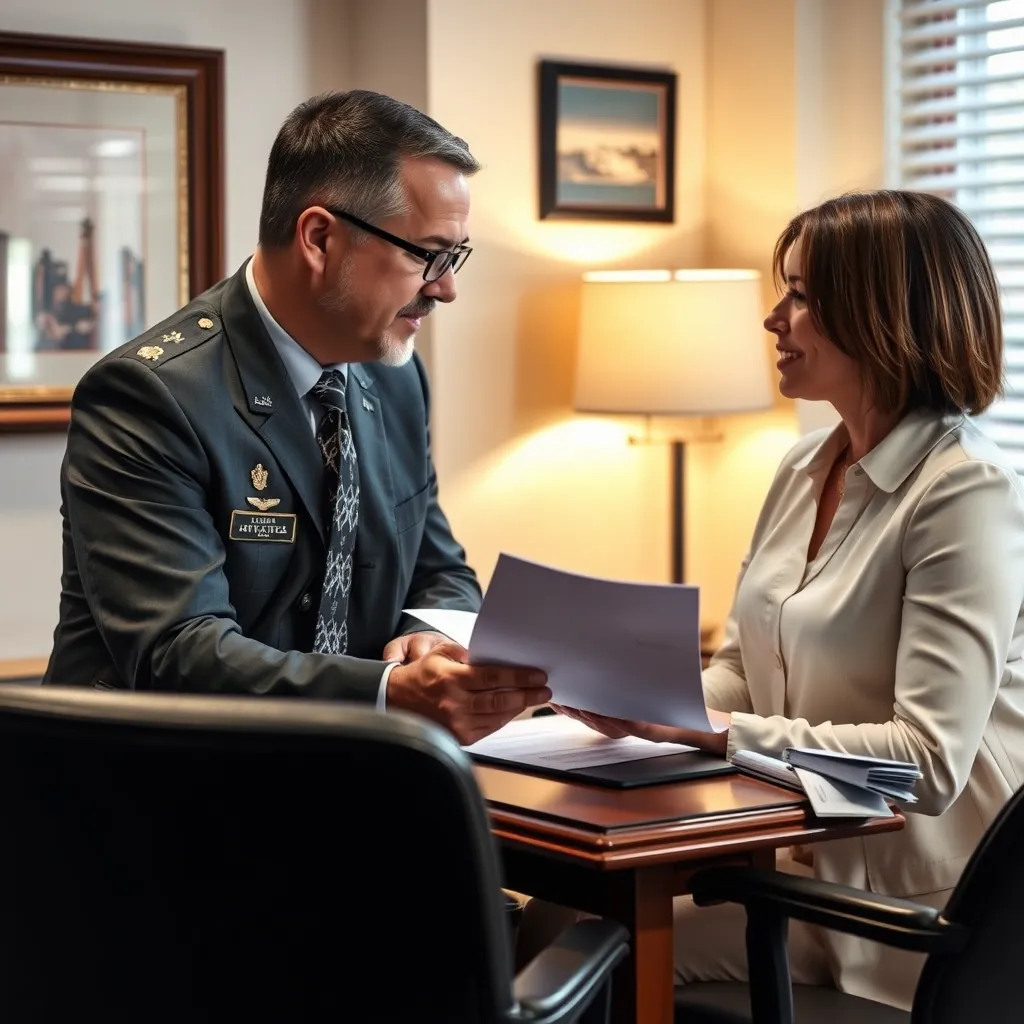
armed forces divorce lawyer Alexandria VA
What is armed forces divorce
Armed forces divorce involves the legal termination of marriage when one or both spouses serve in the military. This type of divorce operates under both state family law and federal military regulations, creating a layered legal framework. The Servicemembers Civil Relief Act provides protections for deployed service members, including the ability to delay court proceedings during active duty. Military pensions represent significant marital assets subject to division under the Uniformed Services Former Spouses’ Protection Act.
Jurisdictional questions often arise in military divorces due to frequent relocations and deployments. Determining proper venue requires examining where the service member maintains legal residence versus where they are currently stationed. Military benefits including healthcare, housing allowances, and survivor benefits require careful consideration during property division. Child custody arrangements must account for potential deployments and relocation orders that could affect parenting time.
Service members face unique challenges including potential command involvement in family matters and the impact of military discipline on family court proceedings. The military’s consideration of family support obligations in performance evaluations adds another dimension to these cases. Understanding military pay structures including basic pay, housing allowances, and special pays is essential for accurate support calculations.
Straight Talk: Military divorces involve federal protections that can delay proceedings, but these delays serve to protect service members’ rights during deployments.
How to proceed with military divorce
Beginning military divorce proceedings requires careful planning around service member status and location. The first step involves determining proper jurisdiction, which can be complicated by military assignments and frequent moves. Service members maintain legal residence in their home state regardless of where they are stationed, creating potential options for venue selection. Proper service of divorce papers must account for military protections under the Servicemembers Civil Relief Act.
Documentation requirements include military identification, deployment orders, and Leave and Earnings Statements showing all military compensation. These documents help establish accurate income for support calculations and identify all marital assets including military benefits. The military requires specific forms for dividing retirement benefits, and proper completion ensures compliance with Defense Finance and Accounting Service requirements.
Timing considerations include deployment schedules and training commitments that could affect court appearances. The SCRA allows service members to request stays of proceedings during active duty and for a period afterward. Coordination with military command may be necessary when family issues affect military readiness or require command involvement in support enforcement.
Property division must address military-specific assets including Thrift Savings Plan accounts, Veterans Administration benefits, and military housing allowances. The Uniformed Services Former Spouses’ Protection Act governs division of military retirement pay, requiring specific court orders for direct payments from DFAS. Healthcare benefits for former spouses depend on marriage duration overlapping with military service.
Reality Check: Military divorces take longer than civilian cases due to additional regulations and potential deployment delays, but proper planning can manage expectations.
Can I handle military divorce without legal help
Service members can technically represent themselves in divorce proceedings, but the intersection of military and family law creates significant challenges. The Servicemembers Civil Relief Act provides important protections, but understanding how to properly invoke these rights requires legal knowledge. Military pension division follows specific federal guidelines that differ from civilian retirement account division. Proper valuation and division of military benefits requires understanding of different pay components and their treatment under the Uniformed Services Former Spouses’ Protection Act.
Jurisdictional issues present particular difficulties for self-represented service members. Determining whether to file in home state or current duty station involves strategic considerations about which court may be more favorable. Service members deployed overseas face additional complications with court appearances and document submission. Military command may become involved in family support matters, requiring understanding of military regulations alongside civilian court procedures.
Document preparation for military divorce includes specific forms required by the Defense Finance and Accounting Service for retirement division. Errors in these documents can delay benefit division or result in improper orders. Healthcare benefits for former spouses depend on specific criteria including length of marriage overlapping with service. Survivor benefit plans require careful consideration and proper election procedures.
Financial considerations include accurate calculation of military income for support purposes, which involves basic pay, housing allowances, subsistence allowances, and special pays. Each component has different treatment under support guidelines. Military housing benefits affect both support calculations and post-divorce living arrangements. The potential impact of divorce on security clearances represents another consideration for service members.
Blunt Truth: Self-representation in military divorce risks missing important protections and making errors in benefit division that can have long-term financial consequences.
Why hire Alexandria armed forces divorce lawyer
Engaging an Alexandria armed forces divorce lawyer offers several advantages for service members facing divorce. Local attorneys understand Virginia’s specific divorce laws and how they interact with federal military regulations. Alexandria courts have experience with military cases due to the area’s significant military population, but proper presentation of military-specific issues remains important. Knowledge of local judges’ approaches to military divorce issues can inform case strategy.
Military benefit division requires precise documentation and court orders to ensure proper implementation by the Defense Finance and Accounting Service. Attorneys familiar with military divorces understand the specific language and formatting requirements for these orders. They can help value military pensions accurately, considering years of service, rank progression, and different retirement systems. Proper handling of survivor benefit plans and healthcare benefits for former spouses requires specific knowledge.
Service member protections under the Servicemembers Civil Relief Act require proper invocation and documentation. Attorneys can help service members exercise these rights appropriately while maintaining good standing with both military and civilian legal systems. Coordination with military command when necessary requires understanding of military culture and procedures. Attorneys can communicate effectively with command regarding family support obligations and related matters.
Child custody arrangements must account for potential deployments and military relocation orders. Attorneys can help develop parenting plans that accommodate military service requirements while protecting parental relationships. Support calculations require accurate understanding of military pay structures and allowances. Attorneys can ensure proper income determination for fair support orders.
Strategic considerations include whether to file in Virginia or another jurisdiction where the service member maintains legal residence. Attorneys can evaluate the advantages of different venues based on specific circumstances. They can also help manage expectations about timelines, particularly when deployments affect court schedules.
Straight Talk: Military divorces involve enough moving parts that professional guidance helps avoid costly mistakes in benefit division and legal procedure.
FAQ:
What makes military divorce different from civilian divorce?
Military divorce involves federal protections for service members and specific rules for dividing military benefits that don’t apply in civilian cases.
How does deployment affect divorce proceedings?
Deployment can delay court proceedings under the Servicemembers Civil Relief Act to protect service members’ ability to participate in their case.
Can my spouse get part of my military retirement?
Military retirement can be divided as marital property if the marriage overlapped with military service under specific federal guidelines.
What jurisdiction handles military divorce cases?
Jurisdiction can be based on the service member’s legal residence or where they’re stationed, depending on specific circumstances.
How is child support calculated for military parents?
Child support calculations include all military pay and allowances following state guidelines with consideration of military-specific income.
What happens to military healthcare after divorce?
Former spouses may retain military healthcare if the marriage lasted 20 years overlapping with 20 years of service under specific rules.
Can command get involved in my divorce?
Military command may become involved regarding family support obligations or when family issues affect military readiness.
How long does military divorce take?
Military divorce typically takes longer than civilian cases due to additional regulations and potential deployment-related delays.
What documents do I need for military divorce?
Required documents include military ID, deployment orders, Leave and Earnings Statements, and retirement benefit information.
How does divorce affect my security clearance?
Divorce itself doesn’t automatically affect clearance, but resulting financial or personal conduct issues could raise concerns during review.
Can I get divorced while stationed overseas?
Yes, but it involves additional steps for serving papers and may require coordination with military legal assistance.
What is the 10/10 rule for military divorce?
The 10/10 rule refers to DFAS direct payment eligibility when marriage overlapped 10 years of service during 10 years of marriage.
Past results do not predict future outcomes