
Note: This article is confirmed by Law Offices Of SRIS, P.C.
AUTHOR BIO:WRITTEN BY
Since 1997, Mr. Sris has led the firm, focusing on the most challenging criminal and family law cases. His background in accounting and information management aids in financial and technology-related cases. Involved in significant legislative changes in Virginia. Mr. Sris finds his background in accounting and information management provides a unique advantage when handling the intricate financial and technological aspects inherent in many modern legal cases.
Minor Guardianship Lawyer Tysons VA
What is Child Guardianship Lawyer Tysons VA
Guardianship represents a legal relationship where a court appoints an adult to care for a minor child. This arrangement becomes necessary when parents cannot provide adequate care due to various circumstances. The appointed guardian assumes responsibility for the child’s daily needs, education, healthcare decisions, and overall welfare.
The guardianship process begins with filing a petition in the appropriate Virginia court. This document outlines why guardianship is necessary and identifies the proposed guardian. Courts require evidence demonstrating the parents’ inability to care for the child and the proposed guardian’s suitability. Documentation may include medical records, financial statements, and character references.
Virginia law provides several guardianship options depending on family needs. Temporary guardianship addresses short-term situations, while permanent guardianship establishes long-term arrangements. Limited guardianship may restrict certain decision-making powers, while full guardianship grants comprehensive authority. Each option serves different family circumstances and requires specific legal approaches.
Courts prioritize the child’s best interests throughout guardianship proceedings. Judges consider factors including the child’s relationship with potential guardians, stability of proposed living arrangements, and ability to meet the child’s needs. Legal representation helps present these factors effectively to the court while ensuring compliance with procedural requirements.
How to Guardianship Lawyer Tysons VA
The guardianship process follows established legal procedures in Virginia courts. Initial steps involve gathering necessary documentation and preparing the guardianship petition. This legal document must include specific information about the child, parents, proposed guardian, and reasons for seeking guardianship. Proper preparation ensures the petition meets court requirements from the beginning.
After filing the petition, courts schedule hearings to evaluate the guardianship request. These proceedings allow judges to assess the situation and hear from involved parties. Parents, proposed guardians, and sometimes older children may provide testimony. Courts may appoint guardians ad litem to represent the child’s interests independently during these proceedings.
Documentation requirements vary based on guardianship type and family circumstances. Common requirements include birth certificates, identification documents, financial statements, and medical records. Courts may request home studies, background checks, or professional evaluations to assess the proposed guardian’s suitability. Complete documentation supports the petition’s claims and demonstrates thorough preparation.
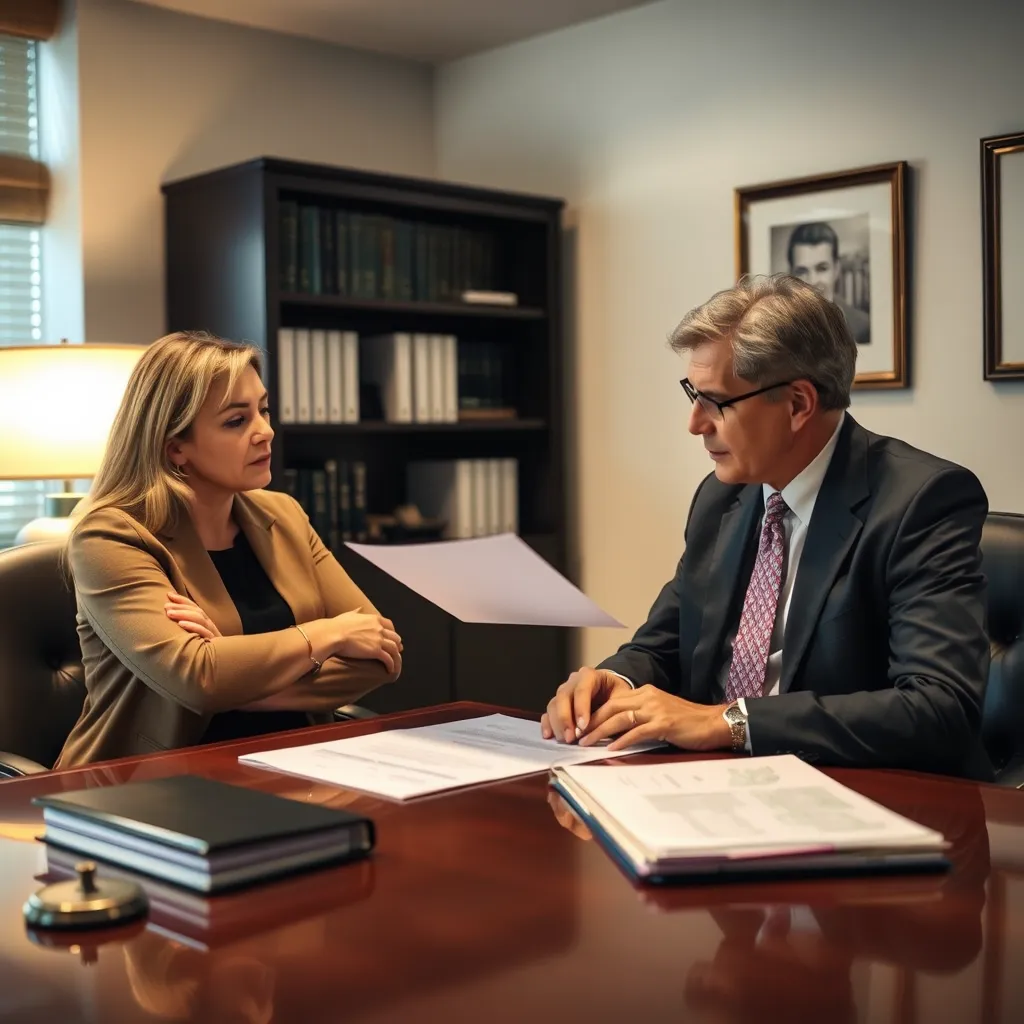
Legal representation manages procedural requirements and court interactions throughout the process. Attorneys prepare documents, coordinate with court personnel, and present arguments during hearings. They address legal questions, respond to court requests, and ensure compliance with filing deadlines and procedural rules. Professional guidance helps families manage the legal aspects while focusing on the child’s needs.
Can I Minor Guardianship Lawyer Tysons VA
Virginia law establishes criteria for who may serve as a child’s guardian. Generally, any competent adult may petition for guardianship, though courts often prefer relatives when appropriate. Grandparents, aunts, uncles, and family friends commonly serve as guardians. The court evaluates each potential guardian’s ability to provide proper care, stability, and meet the child’s needs.
Circumstances justifying guardianship vary widely among families. Common situations include parental illness, incarceration, military deployment, or substance abuse issues. Courts may establish guardianship when parents cannot provide adequate supervision, education, or medical care. The specific circumstances determine whether temporary or permanent guardianship better serves the child’s interests.
Guardianship affects parental rights differently based on the arrangement type. Temporary guardianship typically preserves parental rights while delegating care responsibilities. Permanent guardianship may substantially limit or terminate parental rights, depending on court orders. Courts balance parental rights with child welfare considerations when making these determinations.
Legal guidance helps families understand how guardianship applies to their specific situation. Attorneys explain Virginia’s legal standards, court expectations, and potential outcomes. They help families assess whether guardianship represents the appropriate solution and what alternatives might exist. Professional advice supports informed decision-making about the child’s care arrangements.
Why hire Guardianship Lawyer Tysons VA
Legal representation brings knowledge of Virginia’s guardianship statutes and court procedures. Attorneys understand specific requirements for different guardianship types and how courts evaluate petitions. This knowledge helps families handle the legal system effectively while avoiding common procedural errors that could delay or jeopardize their case.
Professional assistance ensures proper documentation preparation and submission. Guardianship petitions require specific information presented in legally acceptable formats. Attorneys help gather necessary evidence, complete required forms, and organize supporting documentation. Thorough preparation strengthens the petition’s credibility and demonstrates serious consideration of the child’s needs.
Court representation provides advocacy during hearings and proceedings. Attorneys present arguments supporting the guardianship request, respond to judicial questions, and address concerns raised by other parties. They help families prepare for testimony, understand court expectations, and present their case effectively. Professional advocacy increases the likelihood of favorable outcomes.
Legal guidance continues after guardianship establishment. Attorneys explain guardian responsibilities, reporting requirements, and potential modifications. They help families understand their ongoing legal obligations and options for addressing changing circumstances. Continued support ensures guardians maintain compliance with court orders and legal requirements.
FAQ:
What is guardianship for a minor?
Guardianship gives legal authority to an adult to care for a child when parents cannot. This includes making decisions about education, healthcare, and daily needs.
Who can become a guardian in Virginia?
Virginia courts may appoint relatives or other qualified adults as guardians. The court evaluates each person’s ability to provide proper care and stability.
How long does guardianship take to establish?
The process typically takes several weeks to months. Timing depends on court schedules, documentation completeness, and specific circumstances.
What documentation is needed for guardianship?
Required documents include birth certificates, identification, financial statements, and medical records. Courts may request additional information.
Can parents regain custody after guardianship?
Possibility depends on guardianship type and circumstances. Courts may modify arrangements if parents demonstrate improved ability to care for the child.
What responsibilities does a guardian have?
Guardians provide daily care, make educational decisions, arrange medical care, and manage the child’s basic needs. They must act in the child’s best interests.
How does guardianship affect parental rights?
Effects vary by arrangement type. Temporary guardianship preserves most rights while permanent arrangements may limit or terminate certain parental rights.
What happens if guardianship is contested?
Contested cases involve court hearings where parties present evidence. Judges decide based on the child’s best interests and applicable laws.
Can guardianship be temporary?
Yes, Virginia allows temporary guardianship for specific time periods or circumstances. These arrangements address short-term care needs.
What costs are involved in guardianship?
Costs include court filing fees, documentation expenses, and potential legal fees. Some families may qualify for fee waivers based on financial circumstances.
How do courts decide guardianship cases?
Courts consider the child’s relationship with potential guardians, stability of proposed arrangements, and ability to meet the child’s needs.
Can guardianship be established without court?
No, Virginia requires court approval for legal guardianship. Informal arrangements lack legal authority for important decisions.
Past results do not predict future outcomes