
Note: This article is confirmed by Law Offices Of SRIS, P.C.
WRITTEN BY: Mr. Sris
Since 1997, Mr. Sris has led the firm, focusing on the most challenging criminal and family law cases… His background in accounting and information management aids in financial and technology-related cases… Involved in significant legislative changes in Virginia.
Insight: My focus since founding the firm in 1997 has always been directed towards personally handling the most challenging and involved criminal and family law matters our clients face.
Insight: I find my background in accounting and information management provides a unique advantage when handling the intricate financial and technological aspects inherent in many modern legal cases.
Insight: As someone deeply involved in the community, I believe it’s important to not only practice law but also to actively participate in shaping it, which is why I dedicated effort towards amending Virginia Code § 20-107.3 and achieving state recognition for cultural milestones.
Protective Filing Lawyer Fairfax VA
What is a protective order lawyer fairfax county va
Protective orders, commonly referred to as restraining orders, are legal documents issued by courts to protect individuals from harassment, threats, or violence. In Fairfax County, Virginia, these orders serve as important legal tools that establish boundaries and restrictions between parties. The legal system recognizes several types of protective orders, each with specific requirements and durations.
The process begins with understanding which type of order applies to your situation. Emergency protective orders provide immediate, temporary protection and are typically issued by magistrates or judges outside regular court hours. Preliminary protective orders offer short-term protection while awaiting a full hearing. Permanent protective orders provide longer-term protection after a full court hearing where both parties present evidence.
Legal representation helps handle the filing requirements and court procedures. An attorney assists with preparing the necessary paperwork, gathering supporting evidence, and presenting your case effectively in court. They understand the specific requirements of Fairfax County courts and can help ensure all documentation meets legal standards.
Professional guidance provides insight into the legal standards required for obtaining protective orders. Courts require specific evidence showing the need for protection, and an attorney can help organize this evidence effectively. They also explain the legal consequences of protective orders for both the protected party and the restrained individual.
How to get a restraining order lawyer fairfax county va
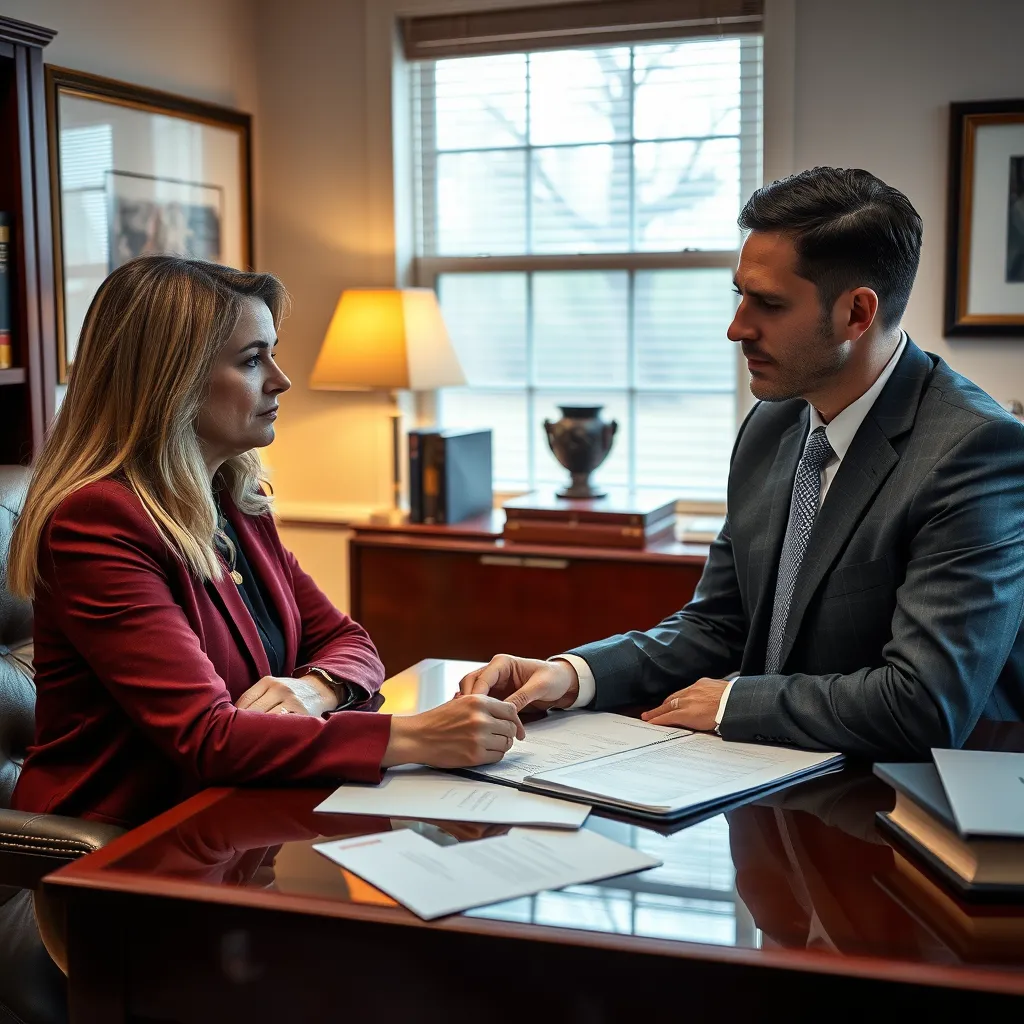
Obtaining legal assistance for restraining orders in Fairfax County involves several steps. The first step is contacting a law firm that handles protective order cases. During the initial consultation, you’ll discuss your situation, concerns, and the specific threats or harassment you’re experiencing. The attorney will evaluate whether your circumstances meet the legal requirements for a protective order.
The filing process requires specific documentation and forms. Your attorney will help complete the necessary paperwork, including detailed statements about the incidents that led you to seek protection. They’ll ensure all forms are properly filled out and filed with the correct Fairfax County court. Proper filing is essential because incomplete or incorrect paperwork can delay the process or result in denial.
Evidence preparation is a vital part of the process. Your attorney will guide you in gathering relevant evidence, which may include text messages, emails, photographs, witness statements, police reports, or medical records. They’ll help organize this evidence to present a clear case to the court. Documentation showing patterns of behavior or specific threats strengthens your request for protection.
Court representation involves attending hearings and presenting your case. Your attorney will prepare you for what to expect in court, help you practice your testimony, and represent your interests during proceedings. They understand court protocols and can effectively communicate with judges and court staff on your behalf.
Can I handle protective order matters without legal help
The legal system allows individuals to represent themselves in protective order matters, known as proceeding pro se. However, this approach presents several challenges. Court procedures involve specific rules, deadlines, and documentation requirements that can be difficult to handle without legal training. Missing deadlines or filing incorrect forms can result in delays or denial of protection.
Understanding legal standards is essential for successful protective order requests. Courts require specific evidence showing immediate danger or reasonable fear of harm. Without legal guidance, individuals may not know what evidence is sufficient or how to present it effectively. An attorney understands what judges look for and can help organize evidence to meet legal standards.
Court proceedings involve formal procedures and protocols. Without experience in courtroom settings, individuals may feel overwhelmed or unsure how to present their case. Attorneys provide representation during hearings, handle questioning, and ensure proper procedures are followed. They can also respond to legal arguments from the other party or their attorney.
Legal professionals provide strategic guidance throughout the process. They can advise on whether to seek different types of protective orders, how to respond if the other party contests the order, and what steps to take if violations occur. This guidance helps ensure the protective order serves its intended purpose effectively.
Why hire legal help for protective filings
Professional legal assistance offers several benefits for protective filing matters. Attorneys bring knowledge of local court procedures and requirements specific to Fairfax County. They understand how different judges approach protective order cases and can tailor strategies accordingly. This local knowledge helps handle the system more effectively.
Case preparation benefits from legal experience. Attorneys know what evidence courts typically require and how to present it persuasively. They can help gather documentation, organize witness statements, and prepare legal arguments that address the specific requirements for protective orders. Thorough preparation increases the likelihood of obtaining the desired protection.
Court representation provides professional advocacy during hearings. Attorneys present cases clearly, respond to questions from the judge, and address any arguments from the other party. They ensure proper procedures are followed and help clients feel more confident during what can be stressful proceedings. Professional representation can influence how the court views the request for protection.
Ongoing support includes assistance with enforcement and modifications. If the protected order is violated, an attorney can help take appropriate legal action. They can also assist with modifying orders if circumstances change or when orders need renewal. This continued support helps ensure the protective order remains effective over time.
FAQ:
1. What is a protective order?
A protective order is a court order that restricts contact between individuals to prevent harassment, threats, or violence.
2. How long does a protective order last?
Emergency orders last up to 72 hours, preliminary orders until a full hearing, and permanent orders up to two years with possible extensions.
3. What evidence do I need for a protective order?
Evidence can include messages, photos, witness statements, police reports, medical records, or documentation showing patterns of concerning behavior.
4. Can I get a protective order for verbal threats?
Yes, verbal threats that cause reasonable fear of harm can be grounds for protective orders in Virginia.
5. What happens if someone violates a protective order?
Violations are serious offenses that can result in criminal charges, including arrest and potential jail time.
6. Can protective orders affect child custody?
Yes, protective orders can include provisions about custody, visitation, and contact arrangements for children’s safety.
7. How much does a protective order lawyer cost?
Costs vary based on case challenge. Many firms offer initial consultations to discuss fees and payment options.
8. What’s the difference between emergency and permanent orders?
Emergency orders provide immediate temporary protection, while permanent orders follow full hearings and offer longer-term protection.
9. Can I modify a protective order?
Yes, either party can request modifications if circumstances change, requiring court approval.
10. Do I need a lawyer for a protective order hearing?
While not required, legal representation helps present your case effectively and understand court procedures.
11. How quickly can I get a protective order?
Emergency orders can be obtained quickly, often within hours, while permanent orders require scheduled hearings.
12. What if I’m falsely accused in a protective order case?
You have the right to contest the order, present evidence, and have legal representation during hearings.
Past results do not predict future outcomes