
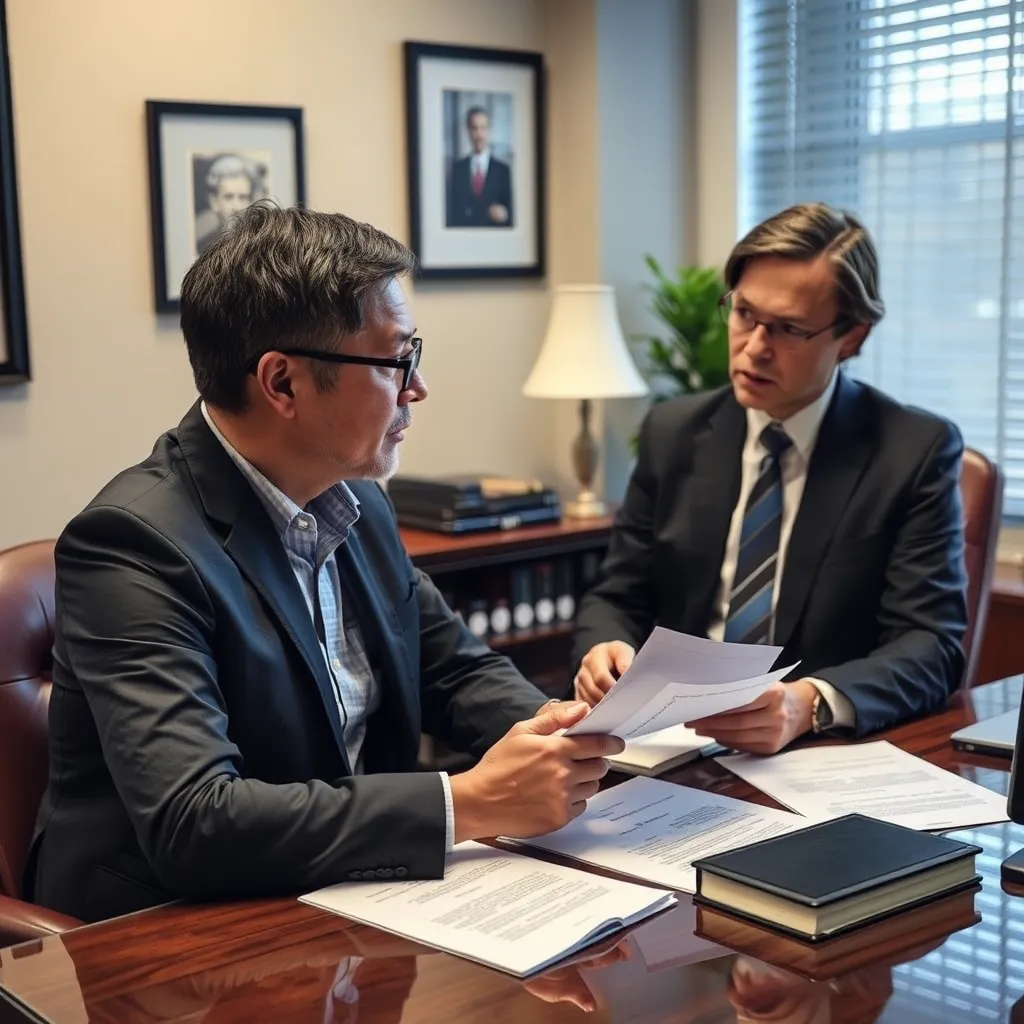
Alimony Lawyer Roanoke, VA
Alimony, also called spousal support, is often one of the most contested issues in a Roanoke divorce. Whether you expect to pay support or need to receive it, the financial questions involved can affect your life for years. The courts in Roanoke City — including the Roanoke City Circuit Court and the Roanoke City Juvenile and Domestic Relations District Court — decide alimony based on a detailed set of factors set out in the Virginia Code. Mr. Sris and his Of Counsel at Law Offices Of SRIS, P.C. bring extensive combined legal experience to alimony cases in Roanoke and across Virginia. Founded in 1997, the firm concentrates its family law practice on helping clients work toward fair outcomes. Call Law Offices Of SRIS, P.C. at (888) 437-7747 to request a consultation about your specific situation. Law Offices Of SRIS, P.C. – Advocacy Without Borders.
What Alimony Means in Roanoke, Virginia
In Virginia, alimony is governed primarily by Va. Code § 20-107.1, which lists thirteen factors a court must consider when deciding whether to award spousal support, in what amount, and for how long. Roanoke City Circuit Court judges examine each spouse’s earning capacity, the standard of living established during the marriage, the length of the marriage, and the contributions each party made to the family’s well‑being. Because Virginia is an equitable distribution state, the division of marital property under Va. Code § 20-107.3 often affects the alimony analysis: a larger property award to one spouse may reduce the need for ongoing support.
Roanoke’s family law cases are heard in the Twenty‑third Judicial Circuit and District. The Roanoke City Juvenile and Domestic Relations District Court handles initial support petitions and enforcement proceedings, while the Circuit Court has exclusive jurisdiction over the divorce itself and any associated equitable distribution and spousal support determinations. The specific judges, local procedural preferences, and the court’s calendar all influence how an alimony dispute unfolds in Roanoke. Because no single factor controls the outcome, presenting a well‑organized financial picture and a clear narrative about the marriage is essential. Mr. Sris and his Of Counsel appear regularly in Roanoke courts and understand how the local bench approaches the statutory factors.
How Mr. Sris and His Of Counsel Handle Alimony Cases
An alimony case typically begins with a thorough review of each spouse’s financial situation. Income, expenses, assets, debts, and tax considerations are examined in detail, often with the help of forensic accountants or vocational evaluators when the facts are complex. The goal is to build a record that speaks directly to the thirteen factors under Va. Code § 20-107.1, whether you are the spouse seeking support or the one who may be asked to pay.
Mr. Sris and his Of Counsel work to negotiate a resolution when possible — a written separation agreement can resolve alimony without a contested hearing — but they are prepared to litigate when negotiation fails. If a prior order is already in place and circumstances have changed, the firm also handles alimony modification and enforcement proceedings. Every step is grounded in the law as interpreted by Virginia appellate courts, with careful attention to the procedural rules of the Roanoke City courts.
About Mr. Sris and His Of Counsel Team
Mr. Sris, Owner and Founder of Law Offices Of SRIS, P.C., is a former prosecutor who has practiced family law throughout Virginia since 1997. His background gives him a practical understanding of how evidence is evaluated, how financial records are scrutinized, and how to present a persuasive case before a judge. Mr. Sris and his Of Counsel bring extensive combined legal experience to every matter the firm handles. Results may vary.
The Of Counsel team at Law Offices Of SRIS, P.C. Includes attorneys with backgrounds in criminal defense, child welfare, and complex civil litigation. This cross‑disciplinary knowledge is particularly valuable in alimony cases where issues such as business valuation, hidden income, or a spouse’s misconduct are present. Together, Mr. Sris and his Of Counsel work as a collaborative unit, ensuring that each client’s case receives the focused attention it deserves.
Frequently Asked Questions
How is alimony determined in Roanoke, Virginia?
Alimony in Roanoke is determined by applying the thirteen factors listed in Virginia Code § 20-107.1, including each spouse’s earnings, needs, and ability to pay. The Roanoke City Circuit Court or Juvenile and Domestic Relations District Court will weigh evidence such as the marriage’s length, the standard of living during the marriage, the age and health of each party, and any contributions one spouse made that enhanced the other’s earning capacity. The court has broad discretion, and no single factor automatically controls the result. For guidance on your specific situation, reach Law Offices Of SRIS, P.C. at (888) 437-7747.
What types of alimony are available in Virginia?
Virginia law provides for several forms of spousal support: temporary (pendente lite) support while a divorce is pending, rehabilitative support for a defined period, and permanent or indefinite support in long‑term marriages where a spouse cannot become self‑supporting. Temporary support maintains the status quo during the litigation. Rehabilitative alimony is designed to give a spouse time to obtain education or training. Indefinite support is reserved for cases where age, health, or other barriers prevent self‑sufficiency. The court’s order will reflect the purpose and duration appropriate under the facts. To discuss the details of your matter, contact Law Offices Of SRIS, P.C. at (888) 437-7747.
Can alimony be modified after a Roanoke divorce?
Yes, a Virginia court may modify spousal support if the party seeking a change shows a material change in circumstances that was not anticipated at the time of the original order. Common grounds include a significant change in income, job loss, illness, or the recipient spouse’s cohabitation in a relationship analogous to marriage. The request must be filed in the court that issued the original order, which in Roanoke would typically be the Circuit Court. Modification proceedings require updated financial evidence and often involve a hearing. For a consultation, reach Mr. Sris and his Of Counsel at (888) 437-7747.
Does fault affect alimony in Virginia?
Under Virginia law, fault grounds such as adultery or cruelty can influence an alimony award, but they are not dispositive. Va. Code § 20-107.1 requires the court to consider the circumstances and factors that contributed to the dissolution of the marriage. Adultery by the spouse seeking support can bar alimony entirely unless the court finds that a denial of support would create a manifest injustice. Other fault‑based conduct, such as cruelty or desertion, may affect the amount and duration of support but does not create an automatic bar. Each case is evaluated on its own facts.
How long does a spouse have to pay alimony in Virginia?
The duration of alimony depends on the type of support ordered and the facts of the case; there is no fixed period under Virginia law. Rehabilitative alimony typically lasts for a defined term set by the court. Permanent support continues until a further court order modifies or terminates it, commonly upon the death of either party or the remarriage of the recipient. Some support orders may also end upon the recipient’s cohabitation. The specific terms are set out in the final decree. For guidance on your specific situation, reach Law Offices Of SRIS, P.C. at (888) 437-7747.
Do I need a lawyer for an alimony case in Roanoke?
While you are not legally required to have a lawyer, alimony cases involve complex financial and legal issues where self‑representation can put you at a disadvantage. Virginia’s statutory factors require a detailed factual presentation, and mistakes in calculating income or valuing assets can lead to an unfair result. An experienced family law attorney can help you gather the right evidence, negotiate from an informed position, and present your case effectively in the Roanoke City courts. To discuss the details of your matter, contact Law Offices Of SRIS, P.C. at (888) 437-7747.
Also serving: Lynchburg alimony lawyer | Roanoke spousal support attorney | Danville alimony lawyer | Charlottesville alimony attorney | Roanoke family law attorney
Primary legal sources: Virginia Code Title 20 (Domestic Relations) | Virginia Courts
Attorney advertising. Prior results do not guarantee a similar outcome. Results may vary.
Case results depend on a variety of factors unique to each case.