
Note: This article is confirmed by Law Offices Of SRIS, P.C.
WRITTEN BY: Mr. Sris
Since 1997, Mr. Sris has led the firm, focusing on the most challenging criminal and family law cases… His background in accounting and information management aids in financial and technology-related cases… Involved in significant legislative changes in Virginia.
Insight: My focus since founding the firm in 1997 has always been directed towards personally handling the most challenging and involved criminal and family law matters our clients face.
Insight: I find my background in accounting and information management provides a unique advantage when handling the intricate financial and technological aspects inherent in many modern legal cases.
Insight: As someone deeply involved in the community, I believe it’s important to not only practice law but also to actively participate in shaping it, which is why I dedicated effort towards amending Virginia Code § 20-107.3 and achieving state recognition for cultural milestones.
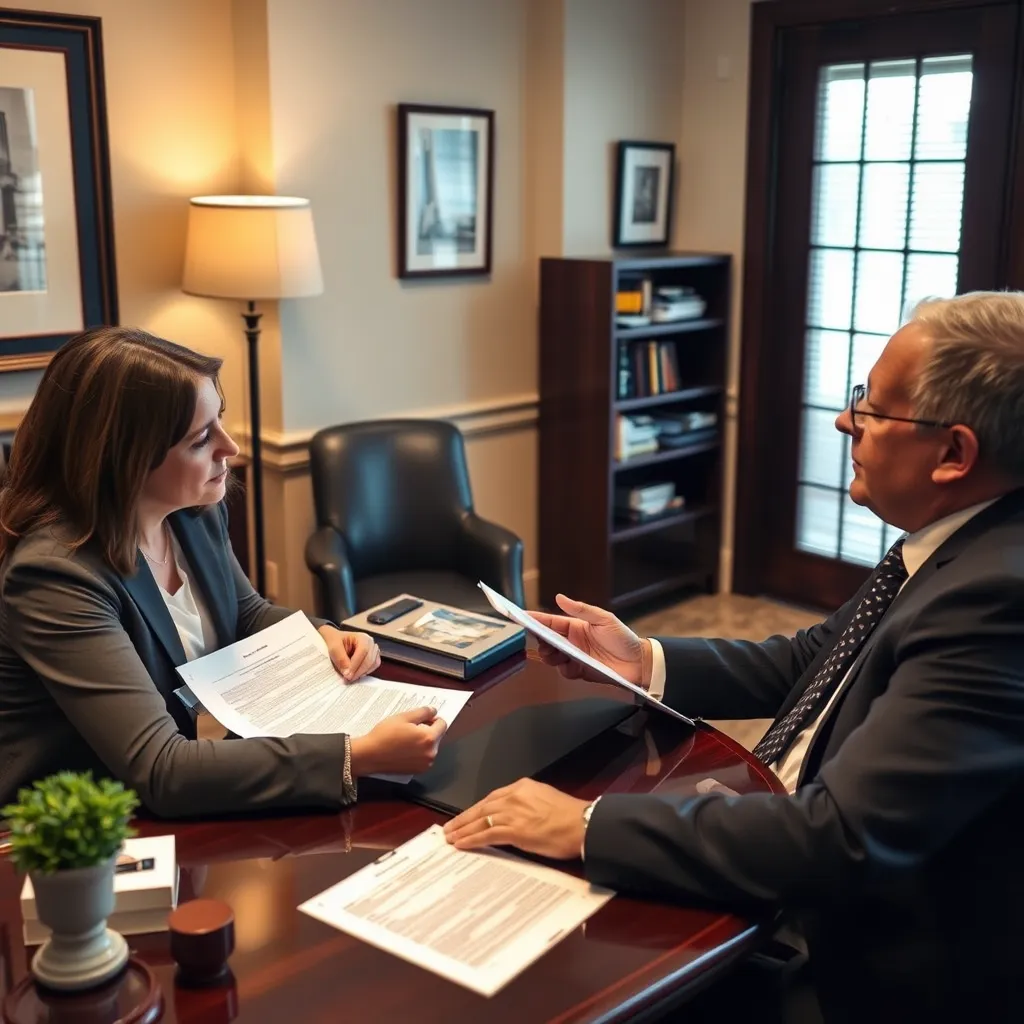
alimony modification lawyer Alexandria VA
What is spousal support modification
Spousal support modification refers to the legal process of changing court-ordered alimony payments when significant changes occur in either party’s financial situation. In Virginia, these modifications are governed by specific statutes that outline when and how alimony orders can be adjusted. The process begins with understanding what constitutes a substantial change in circumstances that would justify modification.
Virginia courts recognize several valid reasons for seeking alimony modification. These include involuntary job loss, significant income reduction, disability onset, retirement, or changes in living expenses. The party requesting modification must provide clear evidence of these changes through documentation like pay stubs, tax returns, medical records, or employment termination notices. Courts examine whether the changes were voluntary or involuntary, as voluntary reductions in income may not qualify for modification.
The modification process involves filing proper legal documents with the court that originally issued the alimony order. This typically includes a petition or motion explaining the requested changes and supporting evidence. Both parties have the opportunity to present their cases, and the court reviews all financial information to determine if modification is warranted. The goal is to reach a fair adjustment that reflects current financial realities while maintaining the original agreement’s intent.
Professional legal guidance helps ensure proper procedure and documentation. Lawyers familiar with Virginia family law understand what evidence courts require and how to present it effectively. They can also help negotiate modifications outside of court when possible, potentially saving time and reducing conflict. Legal representation becomes particularly important when dealing with involved financial situations or when the other party opposes the modification request.
How to modify alimony in Virginia
Modifying alimony in Virginia follows a structured legal process designed to ensure fairness and proper consideration of all relevant factors. The first step involves comprehensive financial assessment to determine if changes qualify as substantial under Virginia law. This requires collecting current financial documents including recent pay stubs, tax returns, bank statements, and evidence of changed expenses. Documentation should clearly show the difference between current circumstances and those existing when the original alimony order was established.
Once documentation is gathered, the next phase involves preparing and filing legal documents with the court. This typically includes a motion to modify spousal support, financial affidavits, and supporting evidence. The filing must occur in the same court that issued the original alimony order. Proper service of documents on the other party is required, giving them opportunity to respond. Virginia courts have specific filing deadlines and procedural requirements that must be followed precisely.
After filing, the court schedules hearings where both parties present their cases. During these proceedings, each side presents evidence and arguments regarding the requested modification. The court examines whether changes are substantial enough to warrant adjustment and considers factors like duration of changed circumstances, voluntary versus involuntary changes, and impact on both parties’ financial stability. Judges may request additional documentation or testimony before making decisions.
Legal representation throughout this process helps ensure proper procedure and effective presentation of evidence. Lawyers can help negotiate settlements outside of court, potentially avoiding lengthy hearings. They also understand how to frame financial changes in ways that courts recognize as substantial. Professional guidance becomes particularly valuable when dealing with involved financial situations or when the other party contests the modification request.
Can I modify my divorce agreement
Divorce agreements can be modified under Virginia law when substantial changes in circumstances occur after the original agreement was established. The possibility of modification depends on several factors including the type of provision being modified, the nature of changes, and the agreement’s specific terms. Virginia courts recognize that life circumstances change over time and provide legal mechanisms for adjusting agreements to reflect current realities.
Alimony provisions are among the most commonly modified aspects of divorce agreements. Changes in income, employment status, health conditions, or living expenses can justify alimony adjustments. The party seeking modification must demonstrate that changes are substantial and not temporary. Courts examine whether changes were foreseeable when the original agreement was made and whether they affect ability to pay or need for support. Retirement, disability onset, or significant career changes often qualify for modification consideration.
Child support modifications follow similar principles but have additional considerations related to children’s needs and standard calculation guidelines. Changes in parental income, children’s expenses, or custody arrangements can trigger support adjustments. Virginia uses specific formulas for child support calculations, and modifications must align with these guidelines. Documentation showing income changes, expense increases, or custody modifications is essential for successful child support modification requests.
Other agreement aspects like property division are generally not modifiable unless specific provisions allow for adjustments or extraordinary circumstances exist. Custody and visitation arrangements can be modified when changes serve children’s best interests. The modification process requires filing proper legal documents, presenting evidence of changed circumstances, and following court procedures. Legal guidance helps determine which agreement aspects can be modified and how to pursue changes effectively.
Why hire legal help for modification
Hiring legal help for modification cases offers several significant advantages in addressing alimony and divorce agreement changes. Professional lawyers bring understanding of Virginia’s family law system, including specific statutes governing modifications and court procedures. This knowledge helps ensure that modification requests follow proper legal pathways and meet all requirements. Lawyers can assess whether circumstances qualify as substantial changes under Virginia law and advise on the likelihood of successful modification.
Legal representation helps with evidence gathering and presentation, which are important for modification success. Lawyers know what documentation courts require and how to organize financial information effectively. They can help obtain necessary records, prepare financial affidavits, and present evidence in ways that courts find persuasive. This becomes particularly important when dealing with involved financial situations involving multiple income sources, business interests, or investment portfolios.
During court proceedings, lawyers handle legal arguments and procedural matters that can significantly impact case outcomes. They understand how to frame modification requests in terms courts recognize and can respond effectively to opposing arguments. Legal representation also helps with negotiation when possible, potentially reaching settlements without lengthy court battles. Lawyers can communicate with opposing parties or their attorneys to explore modification options that work for both sides.
Perhaps most importantly, legal help provides guidance on realistic expectations and potential outcomes. Lawyers can explain what changes courts typically approve, what evidence is necessary, and how long the process may take. This information helps clients make informed decisions about pursuing modifications. Professional representation also ensures that clients’ rights are protected throughout the process and that any agreements reached are legally sound and properly documented.
FAQ:
What qualifies as substantial change for alimony modification?
Substantial changes include job loss, income reduction, disability, retirement, or significant expense increases. Courts require proof these changes affect ability to pay or need for support.
How long does alimony modification take in Virginia?
Modification typically takes several months from filing to final decision. Timeline depends on court schedules, case challenge, and whether the other party contests the request.
Can I modify alimony if my ex remarries?
Remarriage often qualifies for modification since it changes financial circumstances. Virginia courts consider new marital income when evaluating alimony needs and payment ability.
What documents do I need for modification?
Required documents include recent pay stubs, tax returns, bank statements, expense records, and evidence of changed circumstances like medical reports or termination notices.
Can temporary income changes justify modification?
Temporary changes usually don’t qualify unless they last significantly. Courts look for sustained changes that affect long-term financial situations.
How much does alimony modification cost?
Costs vary based on case challenge and whether hearings are needed. Many lawyers offer initial consultations to discuss fees and potential outcomes.
What if my ex opposes the modification?
Opposed modifications proceed to court hearings where both sides present evidence. Legal representation becomes particularly important in contested cases.
Can I modify property division in my divorce?
Property divisions are generally final unless extraordinary circumstances exist. Focus typically remains on support and custody modifications rather than property changes.
How often can I request alimony modification?
There’s no set limit, but courts expect reasonable intervals between requests. Frequent modifications without substantial new changes may not be approved.
What happens if I can’t pay alimony during modification?
Continue payments until modification is approved. Stopping payments without court approval can result in contempt charges and additional legal problems.
Can retirement justify alimony modification?
Retirement often qualifies if it significantly reduces income. Courts consider retirement age, planning, and impact on both parties’ financial situations.
What if my income increases after modification?
Income increases can lead to modification requests from the receiving party. Both sides can seek adjustments based on substantial financial changes.
Past results do not predict future outcomes