
Note: This article is confirmed by Law Offices Of SRIS, P.C.
AUTHOR BIO:WRITTEN BY
Since 1997, Mr. Sris has led the firm, focusing on the most challenging criminal and family law cases. His background in accounting and information management aids in financial and technology-related cases. Involved in significant legislative changes in Virginia.
Alimony Modification Lawyer Loudoun VA
What is Alimony Modification
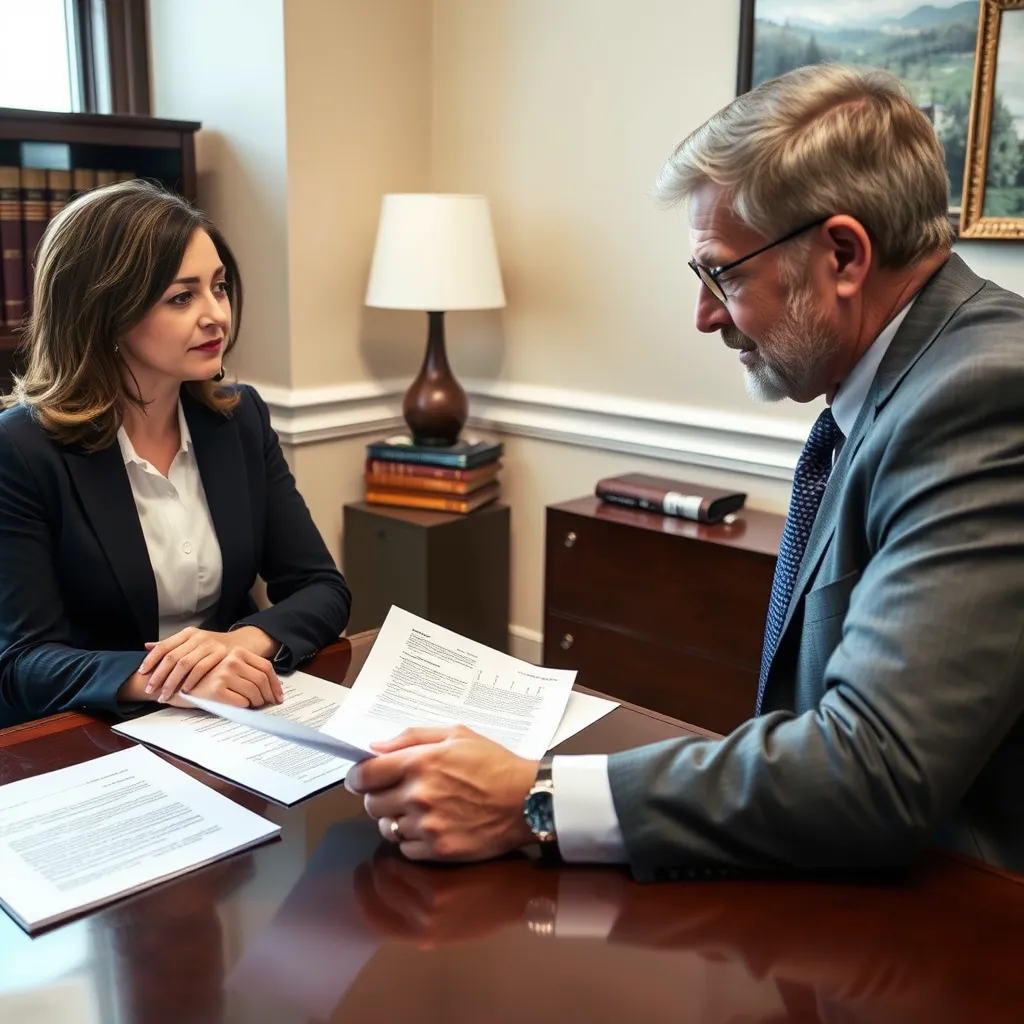
Alimony modification refers to the legal process of changing existing spousal support arrangements established during divorce proceedings. When individuals experience significant life changes that affect their financial situations, they may need to seek adjustments to alimony payments. The modification process requires demonstrating substantial changes in circumstances to the court. These changes must be material and ongoing rather than temporary fluctuations. Virginia courts recognize various grounds for modification, including income changes, employment status shifts, health issues, retirement, or changes in the receiving party’s financial needs. The process begins with filing a formal petition with the court that issued the original alimony order. This petition must outline the changed circumstances and provide supporting evidence. Documentation typically includes financial statements, tax returns, medical records, employment verification, and other relevant proof. The court reviews whether the changes warrant modification under Virginia law. Both parties have the opportunity to present their positions and evidence. The court considers whether the original agreement anticipated such changes and whether modification serves fairness. Successful modification requires clear demonstration that circumstances have changed substantially since the original order. The burden of proof rests with the party seeking modification. Courts aim to balance fairness between both parties while considering current realities. Legal representation helps ensure proper procedure and evidence presentation.
Real-Talk Aside: Courts don’t modify alimony for minor changes. You need substantial, documented shifts in financial reality.
How to Change Alimony in Loudoun
Changing alimony in Loudoun County follows Virginia’s legal procedures for modification. The process begins with comprehensive documentation of changed circumstances. Individuals must gather evidence showing substantial changes since the original alimony order. This evidence typically includes current financial statements, tax documents, pay stubs, medical records if health-related, employment verification, and other relevant documentation. The next step involves filing a petition for modification with the Loudoun County Circuit Court. This legal document outlines the requested changes and reasons for modification. The petition must reference the original court order and explain how circumstances have changed materially. After filing, the other party receives formal notice and has opportunity to respond. Both parties may engage in discovery to exchange information and evidence. Many cases involve settlement discussions before court hearings. If settlement isn’t reached, the case proceeds to hearing. At the hearing, both parties present evidence and arguments. The court evaluates whether changes warrant modification under Virginia law. Factors considered include duration of changed circumstances, impact on both parties, and fairness considerations. The court may order temporary modifications during proceedings. Final decisions become court orders enforceable like original agreements. Throughout this process, legal guidance ensures proper procedure and evidence presentation. Attorneys help prepare persuasive arguments and handle court requirements.
Real-Talk Aside: Missing deadlines or incomplete paperwork can delay your case for months. Follow procedures exactly.
Can I Modify Alimony After Retirement
Retirement frequently serves as grounds for alimony modification when it results in substantial income reduction. Virginia courts recognize that retirement represents a legitimate life change that may affect spousal support obligations. However, not all retirement situations automatically qualify for modification. Courts examine several factors when considering retirement-based modification requests. The timing of retirement matters – courts may question early retirement designed to avoid support obligations. The reasonableness of retirement age and circumstances receives scrutiny. Courts consider whether retirement was voluntary or involuntary, planned or unexpected. Income reduction must be substantial and documented. Retirement income from pensions, Social Security, investments, and other sources gets evaluated. The impact on the receiving party’s financial situation also matters. Courts balance both parties’ changed circumstances. Evidence required includes retirement documentation, income statements before and after retirement, retirement account information, and financial affidavits. The original alimony agreement may include provisions about retirement. Some agreements specify retirement age or conditions for modification. If silent, courts apply general modification standards. The petition must demonstrate retirement represents a material change in circumstances. Courts may modify alimony amount, duration, or terms. Partial retirement or phased retirement receives similar consideration. Health-related retirement receives particular attention. The process involves filing appropriate petitions and providing comprehensive evidence. Legal representation helps present retirement circumstances persuasively.
Real-Talk Aside: Courts scrutinize early retirement closely. Be prepared to justify timing and demonstrate genuine income reduction.
Why Hire Legal Help for Alimony Modification
Hiring legal assistance for alimony modification provides several important advantages. Attorneys understand Virginia’s specific legal requirements and procedures. They ensure proper filing of petitions within correct timelines and formats. Legal professionals help gather and organize necessary evidence effectively. They know what documentation courts require and how to present it persuasively. Attorneys can identify potential issues before they become problems. They understand how courts interpret changed circumstances and what evidence carries weight. Legal representation includes preparing legal arguments and responses to opposing positions. Attorneys handle negotiations with the other party or their counsel. They can explore settlement options that might avoid court hearings. In court proceedings, attorneys present cases professionally and respond to judicial questions. They understand courtroom procedures and etiquette. Legal help includes reviewing original agreements for relevant provisions. Attorneys can anticipate counterarguments and prepare responses. They ensure compliance with all court rules and requirements. Professional guidance helps avoid procedural mistakes that could delay or jeopardize cases. Attorneys provide objective assessment of case strengths and weaknesses. They help set realistic expectations about possible outcomes. Legal representation protects rights throughout the modification process. Attorneys ensure proper service of documents and adherence to deadlines. They can request temporary orders if needed during proceedings. Professional help includes explaining options and consequences clearly. Attorneys stay current with legal developments affecting modification standards.
Real-Talk Aside: Trying to modify alimony without legal help often leads to procedural errors that undermine your case.
FAQ:
1. What qualifies as substantial change for alimony modification?
Income reduction over 15%, job loss, serious illness, or retirement with income decrease typically qualify.
2. How long does alimony modification take in Loudoun?
Typically 3-6 months depending on court schedule and case challenge.
3. Can alimony be increased through modification?
Yes, if the receiving party’s needs increase substantially due to changed circumstances.
4. What evidence do I need for modification?
Financial documents, tax returns, pay stubs, medical records, and proof of changed circumstances.
5. Can I modify alimony if my ex remarries?
In Virginia, remarriage typically terminates alimony unless agreement states otherwise.
6. How much does alimony modification cost?
Costs vary based on case challenge, typically involving court fees and legal representation expenses.
7. Can temporary changes qualify for modification?
No, changes must be substantial and ongoing rather than temporary fluctuations.
8. What if my ex opposes the modification?
The case proceeds to hearing where both parties present evidence and arguments.
9. Can I modify alimony duration?
Yes, courts may adjust payment duration based on changed circumstances.
10. What happens if modification is denied?
The original alimony order remains in effect unless appealed successfully.
11. Can I modify alimony without going to court?
Only if both parties agree and file a consent order with court approval.
12. How often can alimony be modified?
As often as circumstances change substantially, but frequent petitions may face scrutiny.
Past results do not predict future outcomes.