
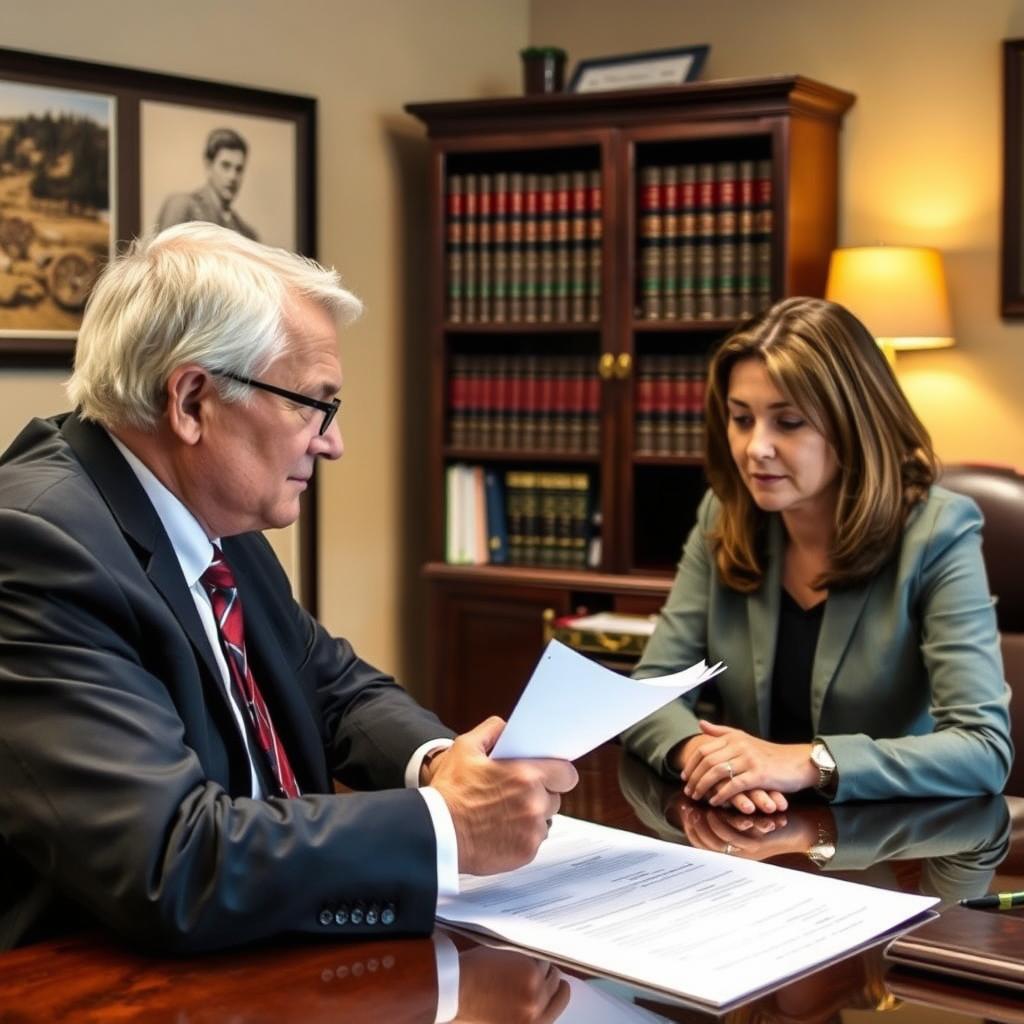
Contract Negotiation Lawyer Rappahannock County
You need a Contract Negotiation Lawyer Rappahannock County to protect your business and personal interests. Law Offices Of SRIS, P.C. —Advocacy Without Borders. Virginia contract law is based on common law principles and specific statutes. A poorly drafted agreement can lead to costly litigation. Our attorneys analyze terms for enforceability and risk. (Confirmed by SRIS, P.C.)
Statutory Definition of Contract Law in Virginia
Virginia contract law is governed by common law and specific statutes like the Virginia Uniform Commercial Code. The Virginia Code does not have a single statute defining all contracts. Key provisions are scattered across multiple titles. The Virginia Uniform Commercial Code, found in Title 8.2, governs contracts for the sale of goods. The Virginia Consumer Protection Act, under Title 59.1, regulates certain consumer transactions. Common law doctrines, established by court decisions, control contract formation and breach. A valid contract requires an offer, acceptance, and consideration. The statute of frauds, in Virginia Code § 11-2, requires some contracts to be in writing. This includes contracts for the sale of real estate or agreements not to be performed within a year. Breach of contract claims are subject to various statutes of limitations. The maximum penalty for a party in breach is typically monetary damages. Courts can also order specific performance in real estate disputes. Understanding these rules is critical for any contract negotiation.
Virginia Code § 8.2-201 (Statute of Frauds for Goods) — Contract Formation Requirement — Unenforceable if Not Met. This statute requires contracts for the sale of goods priced at $500 or more to be in writing to be enforceable. The writing must be signed by the party against whom enforcement is sought. It is a foundational defense in commercial disputes.
What are the key elements of a binding contract in Virginia?
A binding contract in Virginia requires offer, acceptance, consideration, and mutual assent. The offer must be clear, definite, and communicated to the other party. Acceptance must be unequivocal and mirror the terms of the offer. Consideration is something of value exchanged between the parties. Mutual assent means both parties intend to be bound by the agreement. Without all four elements, a court may find no contract exists.
Which Virginia statutes most commonly affect business contracts?
The Virginia Uniform Commercial Code (Title 8.2) commonly affects business contracts for goods. The Virginia Consumer Protection Act (Title 59.1) affects contracts with consumers. The Virginia Securities Act (Title 13.1) regulates investment contracts. The Virginia Nonstock Corporation Act governs entity agreements. The Virginia Limited Liability Company Act controls operating agreements. These statutes impose specific requirements and prohibitions on contract terms.
How does the statute of frauds apply in Rappahannock County?
The statute of frauds applies uniformly across Virginia, including Rappahannock County. It mandates written contracts for real estate sales, leases over one year, and suretyship agreements. Contracts for the sale of goods over $500 must also be in writing. An oral agreement falling under the statute is generally unenforceable in court. This rule prevents fraudulent claims based on alleged oral promises.
The Insider Procedural Edge in Rappahannock County
Contract disputes in Rappahannock County are heard in the 20th Judicial Circuit. The Rappahannock County Circuit Court is located at 245 Gay Street, Washington, VA 22747. This court handles all civil matters where the amount in controversy exceeds $25,000. For amounts under $25,000, the Rappahannock County General District Court has jurisdiction. The procedural timeline for a contract lawsuit can be lengthy. A plaintiff must file a complaint to initiate a lawsuit. The defendant then has 21 days to file a responsive pleading. Discovery, the evidence-gathering phase, can take several months. Motions may be filed to resolve legal issues before trial. The court sets strict scheduling orders for all case milestones. Local rules emphasize preparedness and adherence to deadlines. Filing fees vary based on the type of civil action and damages sought. The current filing fee for a civil warrant in General District Court is $76. Circuit Court filing fees are higher and depend on the number of pages. Procedural specifics for Rappahannock County are reviewed during a Consultation by appointment at our Location.
What is the typical timeline for a contract lawsuit in this court?
A contract lawsuit can take over a year from filing to trial in Rappahannock County. The initial pleadings phase typically lasts 30 to 60 days. Discovery can extend for six to nine months, depending on complexity. Pre-trial motions and a settlement conference add several more months. If the case proceeds to trial, scheduling depends on the court’s docket. Expedited resolutions are possible through mediation or summary judgment. Learn more about Virginia legal services.
What are the local filing fees for a breach of contract case?
Filing fees for a breach of contract case depend on the court and damages. In Rappahannock County General District Court, the civil warrant fee is $76. In Rappahannock County Circuit Court, the initial filing fee is approximately $100. Additional fees apply for serving the defendant and scheduling motions. Jury trial demands incur an extra fee. Cost recovery is often sought by the prevailing party.
How does the local court’s temperament affect contract disputes?
The Rappahannock County Circuit Court expects strict compliance with procedural rules. Judges value concise, well-reasoned legal arguments based on Virginia law. They often encourage settlement discussions early in the case. The court’s docket is less crowded than in urban counties, which can affect timing. Understanding this local temperament is crucial for strategic planning.
Penalties & Defense Strategies for Contract Disputes
The most common penalty for breach of contract is an award of monetary damages. Damages aim to put the non-breaching party in the position they would have been in had the contract been performed. Courts calculate compensatory damages based on direct losses. Consequential damages may be awarded if they were foreseeable at contract formation. Punitive damages are rarely awarded in pure contract cases in Virginia. The court may also award pre-judgment interest and attorney’s fees if the contract allows. In specific cases, such as real estate, the remedy of specific performance is available. This court order forces the breaching party to fulfill their contractual obligations. A strong defense often challenges the existence of a valid contract. Other defenses include failure to perform, impossibility, or fraud in the inducement.
| Offense / Issue | Penalty / Consequence | Notes |
|---|---|---|
| Breach of Contract | Compensatory Damages | Covers direct financial loss from the breach. |
| Breach of Real Estate Contract | Specific Performance or Damages | Court can order sale or award value difference. |
| Bad Faith Breach | Possible Attorney’s Fee Award | If contract clause or statute permits fee shifting. |
| Fraud in the Inducement | Rescission and Possible Punitive Damages | Contract can be voided; tort damages may apply. |
| Violation of VCPA | Treble Damages & Attorney’s Fees | Under Virginia Consumer Protection Act § 59.1-204. |
[Insider Insight] Rappahannock County prosecutors in criminal matters prioritize property crimes, which can intersect with contract fraud. In civil matters, local judges scrutinize damage calculations closely. They prefer clear evidence linking the breach to specific financial losses. Early engagement with a Virginia contract lawyer can shape a potent defense or claim.
What are the financial damage caps in Virginia contract cases?
Virginia does not have statutory caps on compensatory damages for most contract breaches. Damages are limited to those that were reasonably foreseeable at the time of contract formation. The non-breaching party has a duty to mitigate their losses. Consequential damages must be proven with reasonable certainty. Punitive damages are generally not available for simple breach of contract claims.
Can a contract dispute affect my business license in Virginia?
A contract dispute typically does not directly affect a state-issued business license. However, a judgment against your business becomes a public record. This can impact creditworthiness and relationships with lenders. If the dispute involves allegations of fraud or violates consumer protection laws, regulatory agencies may investigate. A pattern of breaches could be used against you in future litigation. Learn more about criminal defense representation.
What is the difference between a material and minor breach?
A material breach goes to the heart of the contract and defeats its essential purpose. It excuses the non-breaching party from further performance and allows a lawsuit for damages. A minor breach is a partial or immaterial failure to perform. It does not excuse the other party’s performance but may allow a claim for partial damages. Distinguishing between the two is a common early dispute in litigation.
Why Hire SRIS, P.C. for Your Contract Negotiation
Our lead attorney for commercial matters has negotiated and litigated hundreds of contract disputes. This experience provides a strategic advantage in both drafting and enforcement. We understand how Virginia courts interpret specific contract clauses. Our goal is to create agreements that prevent disputes and protect your interests. When litigation is unavoidable, we prepare every case for trial. This readiness often leads to more favorable settlement offers from opposing parties.
Attorney Profile: Our Virginia contract attorneys have extensive backgrounds in business law and civil litigation. They have handled contract cases involving real estate, business sales, service agreements, and construction. The team is familiar with the Rappahannock County court system and its judges. We focus on achieving clear, enforceable agreements that serve your long-term objectives.
SRIS, P.C. has a record of successful outcomes for clients in Rappahannock County. We approach each contract negotiation with a focus on risk identification and allocation. Our attorneys will explain the legal implications of every clause in plain language. We draft contracts that are clear, compliant with Virginia law, and aligned with your goals. For disputes, we develop evidence-driven strategies to enforce your rights or defend against claims. Your case will receive direct attention from a seasoned attorney.
Localized FAQs for Rappahannock County Contract Issues
What should I look for in a Rappahannock County contract lawyer?
Look for a lawyer with specific experience in Virginia contract law and local court procedures. They should have a track record with business or real estate contracts relevant to your case. Direct knowledge of Rappahannock County’s legal environment is a significant advantage.
How long does contract negotiation usually take?
Simple contract negotiations can conclude in a few days. Complex agreements involving multiple terms may take several weeks. The timeline depends on the parties’ responsiveness and the complexity of the deal terms. Learn more about DUI defense services.
Can I negotiate a contract without a lawyer?
You can, but it is risky. Missing a single clause can create significant liability. A lawyer identifies unfavorable terms, ensures legal compliance, and builds in protections you may not consider.
What happens if a contract is breached in Rappahannock County?
The non-breaching party can file a lawsuit in the appropriate court. They will seek monetary damages or, in rare cases, specific performance. The process involves pleadings, discovery, and potentially a trial before a judge or jury.
Are verbal contracts enforceable in Virginia?
Some verbal contracts are enforceable, but many are not. The Virginia statute of frauds requires written contracts for real estate, goods over $500, and agreements lasting over a year. Proving the terms of a verbal agreement in court is difficult.
Proximity, CTA & Disclaimer
Our legal team serves clients throughout Rappahannock County. While SRIS, P.C. has a primary Location in Fairfax, we provide representation across Virginia. We are familiar with the Rappahannock County Courthouse and local legal practices. For businesses and individuals in Washington, Sperryville, and Amissville, we offer direct legal support. Consultation by appointment. Call 888-437-7747. 24/7.
Law Offices Of SRIS, P.C.
—Advocacy Without Borders.
Phone: 888-437-7747
Past results do not predict future outcomes.