
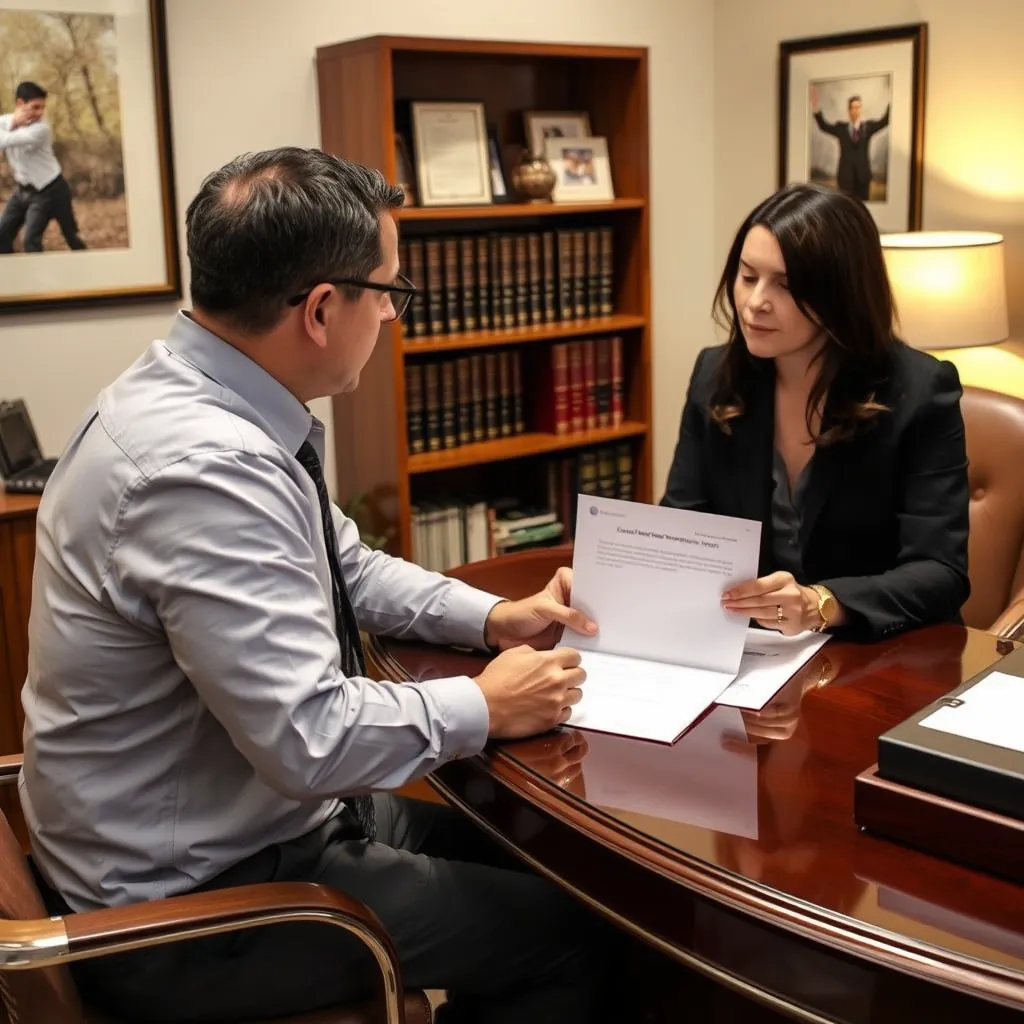
Note: This article is confirmed by Law Offices Of SRIS, P.C.
WRITTEN BY: Mr. Sris
Since 1997, Mr. Sris has led the firm, focusing on the most challenging criminal and family law cases… His background in accounting and information management aids in financial and technology-related cases… Involved in significant legislative changes in Virginia.
Insight: My focus since founding the firm in 1997 has always been directed towards personally handling the most challenging and involved criminal and family law matters our clients face.
Insight: I find my background in accounting and information management provides a unique advantage when handling the intricate financial and technological aspects inherent in many modern legal cases.
Insight: As someone deeply involved in the community, I believe it’s important to not only practice law but also to actively participate in shaping it, which is why I dedicated effort towards amending Virginia Code § 20-107.3 and achieving state recognition for cultural milestones.
custody modification lawyer Alexandria VA
What is custody modification
Custody modification refers to the legal procedure for altering existing child custody arrangements established by court order. In Virginia family law, these modifications are not granted lightly. Courts require parents to demonstrate a substantial change in circumstances that affects the child’s welfare. This legal standard protects children from frequent disruptions while allowing necessary adjustments when family situations evolve.
The modification process begins with filing a petition in the appropriate Virginia court. Parents must present evidence supporting their request for change. Common grounds for modification include relocation, changes in parental work schedules, health issues affecting caregiving ability, or concerns about the child’s safety and well-being. The court evaluates each factor against the central standard of the child’s best interests.
Virginia courts consider multiple elements when reviewing modification requests. These include the child’s age and developmental needs, each parent’s ability to provide care, the child’s relationship with siblings and extended family, and the child’s own preferences if they are mature enough to express them. Courts also examine any history of domestic violence or substance abuse that might affect parenting capacity.
Legal professionals approach modification cases with careful attention to detail. They gather documentation, prepare persuasive arguments, and present evidence effectively. The goal is to demonstrate how proposed changes better serve the child’s needs while meeting Virginia’s legal requirements for modification.
How to seek custody modification
The process for seeking custody modification in Virginia follows established legal procedures. First, parents should consult with legal counsel to evaluate whether their situation meets Virginia’s standards for modification. This initial assessment helps determine the likelihood of success before investing time and resources in legal proceedings.
Documentation forms the foundation of any modification request. Parents should gather evidence of changed circumstances, including medical records if health issues are involved, employment documents for schedule changes, school records showing academic or behavioral changes, and any communications demonstrating parenting concerns. This evidence must clearly show how current circumstances differ from when the original order was established.
Filing the modification petition requires completing specific court forms and paying applicable fees. The petition must clearly state the requested changes and the legal grounds supporting them. Virginia courts require specific information about the child, current custody arrangements, and the substantial changes justifying modification. Proper service of legal documents to the other parent is essential for the case to proceed.
Court proceedings involve presenting evidence and arguments to support the modification request. This may include witness testimony, documentary evidence, and attorney opinions when appropriate. The court evaluates all information against Virginia’s legal standards, focusing on whether changes truly serve the child’s best interests rather than parental preferences.
Can I modify custody without going to court
Parents frequently ask whether they can modify custody arrangements without involving the court system. While parents can certainly agree to temporary or informal changes in their parenting arrangements, these agreements lack legal enforcement power. Only court-approved modifications provide legal protection and enforcement mechanisms if disputes arise later.
Virginia law recognizes that parents may reach mutual agreements about custody changes. When both parents agree to modifications, they can submit a consent decree to the court. This document outlines the agreed-upon changes and requests judicial approval. The court reviews consent decrees to ensure they serve the child’s best interests before granting approval.
Even with mutual agreement, certain safeguards apply. Courts examine consent decrees to verify that parents understand the implications of their agreement and that the terms adequately protect the child’s welfare. This review process helps prevent agreements made under pressure or without full consideration of long-term consequences.
When parents cannot agree, court intervention becomes necessary. In these situations, the requesting parent must demonstrate both substantial change and that modification serves the child’s best interests. The court evaluates evidence from both sides before making a determination. This judicial oversight ensures decisions prioritize children’s needs over parental conflicts.
Why hire legal help for custody modification
Engaging legal assistance for custody modification matters provides several important benefits. Attorneys familiar with Virginia family law understand the specific standards courts apply to modification requests. They can evaluate whether your situation meets the substantial change requirement and help gather appropriate evidence to support your case.
Legal professionals manage the procedural aspects of modification cases. They ensure proper filing of petitions, timely service of documents, and compliance with court deadlines. This procedural knowledge prevents technical errors that could delay or jeopardize your case. Attorneys also understand local court rules and judge preferences that can affect case strategy.
Evidence presentation represents another area where legal assistance proves valuable. Attorneys know what types of evidence courts find persuasive and how to present information effectively. They can help organize documentation, prepare witnesses, and develop legal arguments that address Virginia’s child welfare standards. This strategic approach increases the likelihood of favorable outcomes.
Perhaps most importantly, legal counsel protects parental rights throughout the modification process. They ensure your position receives proper consideration and that any agreements or court orders accurately reflect your understanding. This protection extends beyond the immediate case to future enforcement and potential additional modifications as circumstances continue to evolve.
FAQ:
What constitutes substantial change in Virginia?
Virginia courts consider changes affecting child’s welfare, like relocation or safety concerns. The change must be significant and ongoing.
How long does modification take?
Timing varies by court schedule and case challenge. Most cases take several months from filing to resolution.
Can children’s preferences affect decisions?
Courts may consider preferences of mature children. Age and reasoning ability influence how much weight preferences receive.
What if parents agree on changes?
Agreements require court approval through consent decrees. This converts informal agreements into enforceable court orders.
Can I modify custody after relocation?
Relocation often qualifies as substantial change. Courts consider distance, travel arrangements, and impact on parenting time.
What evidence helps modification cases?
Documentation of changes, school records, medical information, and communication records provide supporting evidence.
Can temporary changes become permanent?
Temporary arrangements don’t automatically become permanent. Separate court approval is needed for lasting modifications.
What if the other parent violates orders?
Violations may support modification requests. Document all violations and consult legal counsel about enforcement options.
How often can I seek modification?
Virginia doesn’t set specific time limits. Courts evaluate whether circumstances have changed sufficiently since the last order.
What costs are involved?
Costs include court fees and potential attorney fees. Some courts offer fee waivers for qualifying individuals.
Can grandparents seek modification?
Grandparents may petition under specific circumstances. Virginia law sets requirements for third-party modification requests.
What if I need emergency changes?
Emergency petitions address immediate safety concerns. These require evidence of imminent harm to the child.
Past results do not predict future outcomes