
Note: This article is confirmed by Law Offices Of SRIS, P.C.
AUTHOR BIO:WRITTEN BY
Since 1997, Mr. Sris has led the firm, focusing on the most challenging criminal and family law cases. His background in accounting and information management aids in financial and technology-related cases. Involved in significant legislative changes in Virginia. My focus since founding the firm in 1997 has always been directed towards personally handling the most challenging and involved criminal and family law matters our clients face.
marital agreement lawyer Alexandria VA
What is a marital agreement lawyer
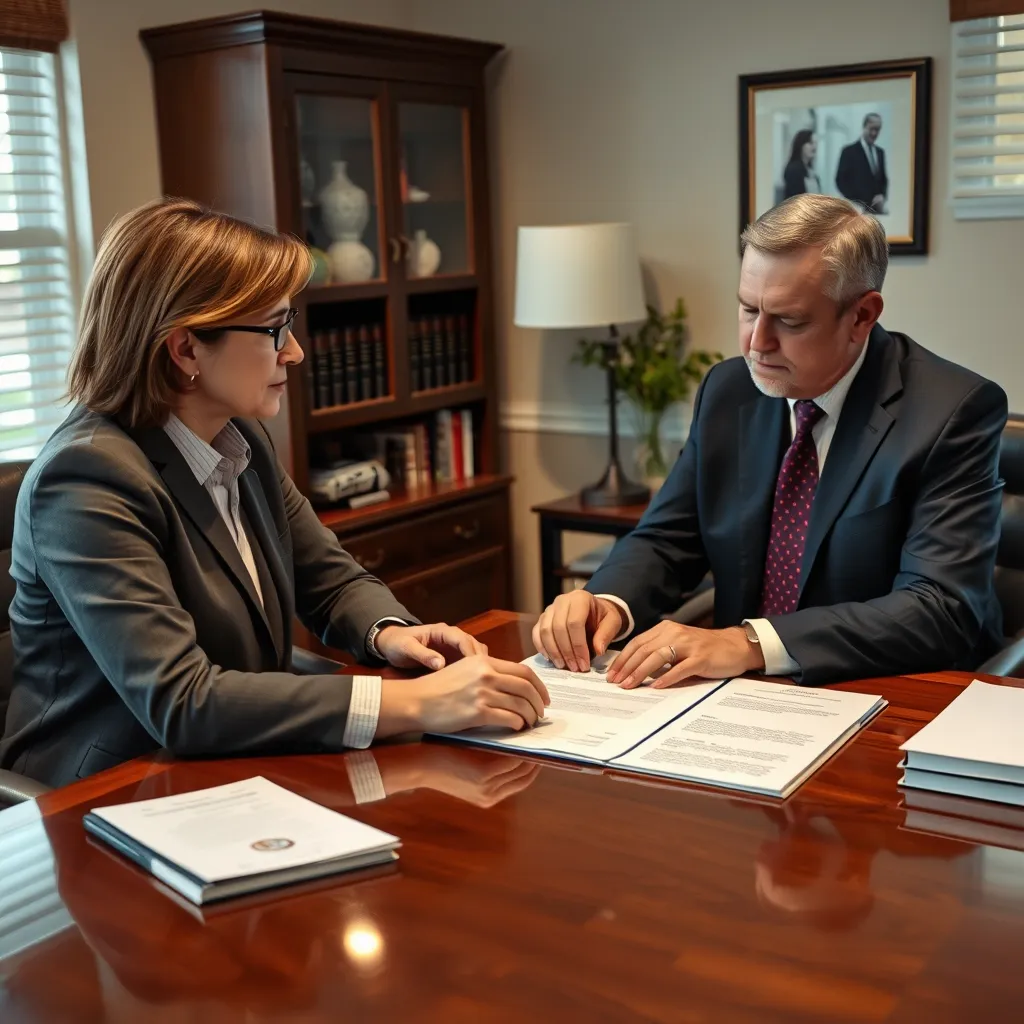
A marital agreement lawyer specializes in creating legal documents that define financial arrangements between spouses. These professionals handle both prenuptial agreements, established before marriage, and postnuptial agreements, created after marriage begins. Their work involves understanding Virginia’s specific legal requirements for marital contracts, including full financial disclosure and voluntary consent from both parties.
The process begins with initial consultations where the lawyer explains legal rights and options. They gather comprehensive financial information from both individuals, including assets, debts, income sources, and property holdings. The attorney then drafts the agreement with clear terms addressing property division, spousal support, inheritance rights, and debt responsibility. They ensure the document meets Virginia’s legal standards for enforceability.
Legal strategies involve protecting separate property while addressing marital property rights. Lawyers help clients understand what can and cannot be included in these agreements under Virginia law. They address potential future scenarios like career changes, inheritance, business growth, and retirement planning. The attorney reviews each provision to ensure clarity and fairness while protecting client interests.
Professional insight comes from understanding Virginia’s evolving family law landscape. Attorneys stay current with court decisions affecting marital agreements and legislative changes. They provide guidance based on practical experience with how courts interpret and enforce these documents. This knowledge helps create agreements that withstand legal scrutiny while serving their intended purpose.
Reality Check: Marital agreements require complete honesty about finances. Hidden assets or incomplete disclosure can make agreements unenforceable.
How to create a marital settlement agreement
Creating a marital settlement agreement requires careful planning and legal guidance. The process begins with both parties obtaining independent legal representation to ensure their individual interests are protected. Each person should consult with their own attorney who can explain rights, obligations, and potential consequences of the agreement terms.
The first substantive step involves complete financial disclosure. Both individuals must provide detailed information about all assets, including real estate, bank accounts, investments, retirement funds, and business interests. They must also disclose all debts, such as mortgages, loans, credit card balances, and other financial obligations. Income sources, including salaries, bonuses, commissions, and investment returns, must be fully documented.
Drafting the agreement involves addressing several key areas. Property division terms specify what happens to assets acquired before and during marriage. Support provisions outline any spousal maintenance arrangements, including amount, duration, and modification conditions. Debt allocation determines responsibility for existing and future obligations. The agreement may also address inheritance rights, insurance coverage, and tax implications.
Legal requirements in Virginia include voluntary consent from both parties, adequate consideration, and fair terms. The agreement cannot violate public policy or include provisions that would encourage divorce. Both parties must have sufficient time to review the document and seek legal advice before signing. Proper execution requires witnesses and notarization according to Virginia law.
Straight Talk: Independent legal advice is not just recommended—it’s essential for creating enforceable agreements that protect both people.
Can I modify a marital agreement
Marital agreements can be modified under certain conditions, but the process requires careful legal handling. The most straightforward path to modification occurs when both parties mutually agree to changes and properly document them. This requires creating an amendment or entirely new agreement that addresses the modified terms while maintaining compliance with Virginia law.
Several circumstances might justify seeking modifications to existing agreements. Significant changes in financial circumstances, such as substantial inheritance, business success, or career advancement, could warrant adjustments. Health issues or disability affecting earning capacity might also justify modifications. Changes in family structure, like having children or caring for elderly parents, could necessitate agreement updates.
The modification process mirrors the original agreement creation in several respects. Both parties should obtain independent legal advice to ensure their interests remain protected. Complete financial disclosure is typically required again, showing current assets, debts, and income. The modified agreement must be voluntarily entered with adequate consideration and fair terms under Virginia law.
Legal considerations include ensuring modifications don’t invalidate the entire original agreement. Courts generally prefer to uphold marital agreements as written, so modification requests must demonstrate substantial justification. The modified terms must still comply with Virginia public policy and cannot include provisions that would be considered unconscionable or against public interest.
Blunt Truth: Modifying agreements requires both parties’ cooperation. If one person refuses changes, you’re generally stuck with the original terms.
Why hire legal help for marital agreements
Hiring legal help for marital agreements provides several important benefits that protect both parties’ interests. Attorneys bring specific knowledge of Virginia’s legal requirements for these documents, including mandatory elements like full financial disclosure, voluntary consent, and fair consideration. They ensure agreements comply with current laws and court interpretations, increasing the likelihood of enforceability if challenged.
Legal professionals help draft clear, comprehensive terms that address various financial scenarios. They consider potential future events like career changes, inheritance, business growth, retirement, and health issues. Attorneys include provisions that account for these possibilities while maintaining agreement validity under Virginia law. They also ensure the document doesn’t include terms that could be considered against public policy or unconscionable.
The attorney’s role includes facilitating proper financial disclosure between parties. They help gather and organize financial information, ensuring nothing is overlooked. This thorough approach prevents future claims of hidden assets or incomplete disclosure that could jeopardize the agreement’s enforceability. Lawyers also explain the legal implications of each provision, helping clients make informed decisions.
Professional guidance helps prevent future disputes by creating clear, unambiguous terms. Attorneys anticipate potential areas of conflict and draft language that minimizes ambiguity. They ensure both parties understand their rights and obligations, reducing the likelihood of misunderstandings later. This proactive approach can save significant time, money, and emotional stress if the relationship dynamics change.
Reality Check: Trying to create marital agreements without lawyers often leads to unenforceable documents that fail to protect anyone when needed most.
FAQ:
1. What is the difference between prenuptial and postnuptial agreements?
Prenuptial agreements are created before marriage, while postnuptial agreements are made after marriage begins. Both address financial arrangements and property division under Virginia law.
2. How much does a marital agreement cost in Virginia?
Costs vary based on challenge and attorney rates. Simple agreements may cost less, while involved situations with substantial assets require more legal work and higher fees.
3. What happens if we don’t disclose all assets?
Incomplete disclosure can make the agreement unenforceable in Virginia courts. Full honesty about finances is required for valid marital agreements.
4. Can marital agreements address child custody?
Virginia law generally prohibits addressing child custody or support in marital agreements. These matters are determined based on children’s best interests at the time of separation.
5. How long does it take to create a marital agreement?
The process typically takes several weeks to months, depending on challenge. Time is needed for financial disclosure, drafting, review, and revisions before finalizing.
6. What makes a marital agreement enforceable in Virginia?
Enforceability requires voluntary consent, full financial disclosure, independent legal advice, fair terms, and compliance with Virginia law and public policy.
7. Can I create my own marital agreement without a lawyer?
While possible, self-drafted agreements often lack necessary legal elements and may be unenforceable. Professional guidance ensures compliance with Virginia requirements.
8. What financial information must be disclosed?
You must disclose all assets, debts, income sources, property holdings, business interests, retirement accounts, and investment portfolios for complete financial transparency.
9. Can marital agreements be challenged in court?
Yes, agreements can be challenged if there’s evidence of coercion, fraud, incomplete disclosure, or terms violating Virginia public policy or being unconscionable.
10. Do both parties need separate lawyers?
Virginia strongly recommends independent legal counsel for both parties to ensure voluntary consent and understanding of agreement terms and implications.
11. What happens to the agreement if we move to another state?
Most states honor properly executed agreements from other jurisdictions, but terms may be interpreted according to new state’s laws. Legal review is recommended after moving.
12. Can we include personal matters in marital agreements?
While financial matters are primary, some personal arrangements can be included if they don’t violate Virginia law or public policy considerations.
Past results do not predict future outcomes