
Note: This article is confirmed by Law Offices Of SRIS, P.C.
AUTHOR BIO:WRITTEN BY
Since 1997, Mr. Sris has led the firm, focusing on the most challenging criminal and family law cases… His background in accounting and information management aids in financial and technology-related cases… Involved in significant legislative changes in Virginia.
Insight: My focus since founding the firm in 1997 has always been directed towards personally handling the most challenging and involved criminal and family law matters our clients face.
Insight: I find my background in accounting and information management provides a unique advantage when handling the intricate financial and technological aspects inherent in many modern legal cases.
Insight: As someone deeply involved in the community, I believe it’s important to not only practice law but also to actively participate in shaping it, which is why I dedicated effort towards amending Virginia Code § 20-107.3 and achieving state recognition for cultural milestones.
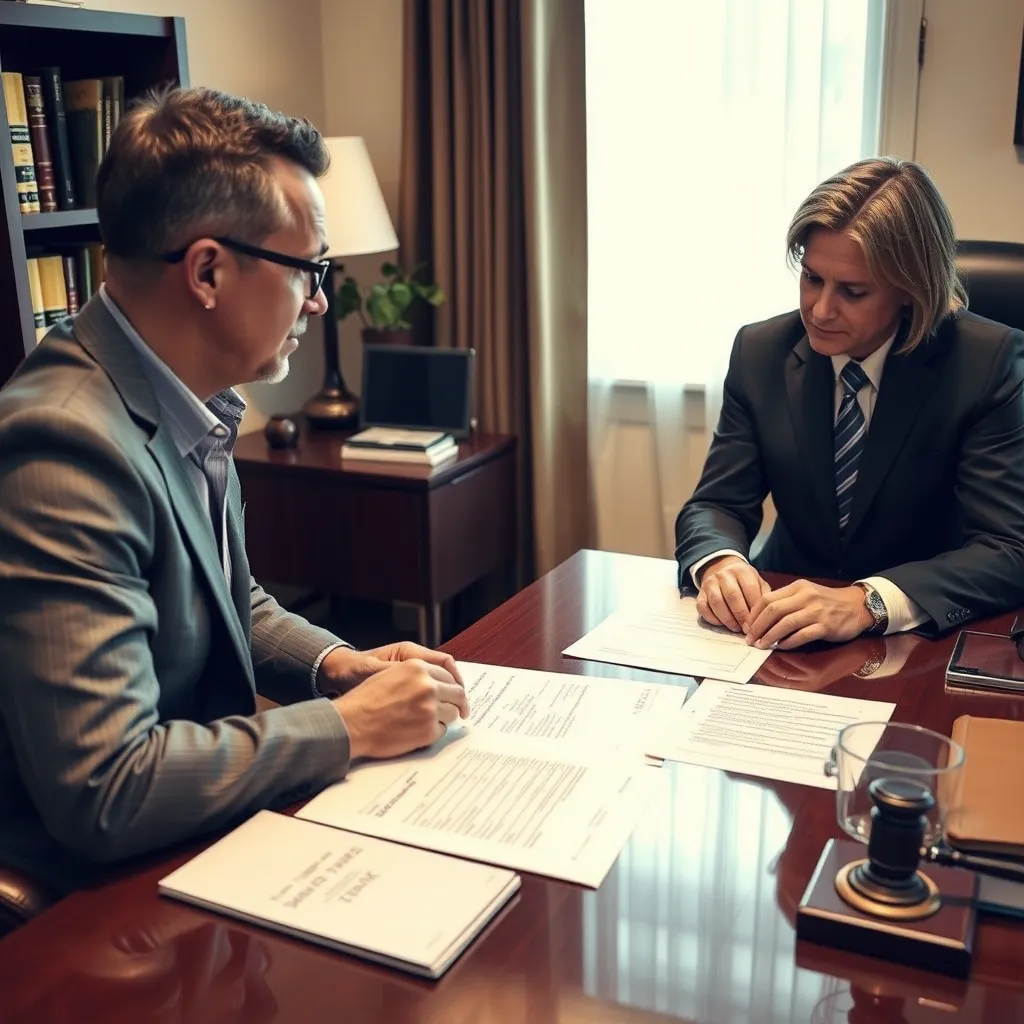
marital settlement agreement lawyer Manassas Park VA
What is a marital settlement agreement
A marital settlement agreement serves as the foundation for your divorce resolution. This contract specifies how you and your spouse will separate your lives financially and legally. The agreement typically includes provisions for dividing real estate, bank accounts, retirement funds, and personal property. It also addresses responsibility for marital debts, including mortgages, credit cards, and loans.
For couples with children, the agreement establishes custody arrangements, visitation schedules, and child support obligations. These terms must prioritize the children’s best interests while providing clear guidelines for both parents. Spousal support provisions, if applicable, outline payment amounts, duration, and modification conditions.
Virginia law requires these agreements to be in writing, signed by both parties, and notarized. The court reviews the document to ensure it meets legal standards and doesn’t contain unfair provisions. Once approved, the agreement becomes part of your final divorce decree and carries the full force of law.
Proper drafting requires attention to detail and understanding of Virginia’s equitable distribution principles. Assets acquired during marriage are generally subject to division, while separate property typically remains with the original owner. However, tracing and proving separate property can involve detailed documentation and legal arguments.
How to create a valid marital settlement agreement
The process begins with comprehensive financial disclosure. Both spouses must provide complete information about all assets, liabilities, income, and expenses. This transparency forms the basis for fair negotiations and helps prevent future challenges to the agreement. Virginia courts can set aside agreements if one party concealed assets or provided false information.
Negotiation follows disclosure, where you work through each element of your separation. Property division requires identifying all marital assets, determining their value, and deciding how to distribute them. Virginia follows equitable distribution principles, meaning the court divides property fairly but not necessarily equally. Factors like marriage duration, contributions, and economic circumstances influence these decisions.
For child-related matters, Virginia law requires agreements to serve the children’s best interests. This includes establishing legal custody (decision-making authority) and physical custody (living arrangements). Parenting plans should address education, healthcare, religious upbringing, and extracurricular activities. Child support calculations follow state guidelines based on parental incomes and custody arrangements.
Once terms are negotiated, the agreement must be drafted in clear, unambiguous language. Virginia requires specific provisions for certain matters, such as retirement account division, which needs a Qualified Domestic Relations Order (QDRO). The final document should be reviewed carefully before signing, as changes become difficult once submitted to court.
Can I modify a marital settlement agreement after divorce
Property division provisions in marital settlement agreements are typically permanent. Once the court approves your agreement and issues the final divorce decree, property distribution terms cannot be changed except in rare circumstances. Virginia courts may consider modifying property divisions only if there was fraud, duress, or mutual mistake in creating the agreement. These standards are difficult to meet, emphasizing the importance of careful drafting initially.
Child custody and visitation arrangements can be modified when there’s a material change in circumstances affecting the children’s best interests. This might include relocation, changes in parental work schedules, or concerns about a child’s safety or well-being. The parent seeking modification must demonstrate that circumstances have changed significantly since the original agreement and that the proposed changes serve the children’s best interests.
Child support modifications follow different rules. Virginia law allows adjustments when there’s a substantial change in circumstances, typically meaning at least a 25% difference in the support amount calculated under current guidelines. Changes in income, employment status, or custody arrangements often qualify for modification. Either parent can request review every three years regardless of circumstances.
Spousal support modifications depend on the agreement’s language. Some agreements specify that support is non-modifiable, while others allow adjustments based on changed circumstances. Even with modifiable terms, Virginia requires showing a material change in financial circumstances since the original order. Retirement, job loss, or serious illness might qualify, but the court considers many factors.
Why hire legal help for marital settlement agreements
Professional legal guidance helps identify issues you might overlook when creating a marital settlement agreement. Attorneys understand Virginia’s specific requirements for these documents, including mandatory provisions and formatting rules. They ensure your agreement addresses all necessary elements, from property division methods to dispute resolution procedures. Missing important terms can lead to future conflicts and additional court proceedings.
Attorneys provide valuable perspective during negotiations. They help assess whether proposed terms are fair and reasonable based on Virginia law and local court practices. This includes evaluating property valuations, support calculations, and custody arrangements. Legal representation creates balance when one spouse has greater financial knowledge or negotiation experience, helping prevent agreements that favor one party disproportionately.
Precise drafting prevents misunderstandings that could lead to enforcement problems. Attorneys use clear language that leaves little room for interpretation, reducing the likelihood of disputes about what terms mean. They include necessary legal provisions, such as waiver of rights clauses and integration statements that prevent either party from claiming additional agreements exist outside the written document.
Legal review protects against provisions that might be unenforceable or contrary to public policy. Virginia courts won’t approve agreements containing illegal terms or provisions that violate children’s best interests. Attorneys spot problematic language before submission, saving time and avoiding the embarrassment of court rejection. They also ensure proper execution with notarization and witness requirements.
FAQ:
1. What happens if my spouse won’t sign the marital settlement agreement?
If your spouse refuses to sign, you’ll need to pursue contested divorce proceedings where the court decides terms.
2. How long does it take to create a marital settlement agreement?
Timing varies based on challenge, but most agreements take several weeks to months of negotiation and drafting.
3. Can we create our own agreement without lawyers?
Yes, but having legal review ensures the document meets Virginia requirements and protects both parties’ interests.
4. What if we agree on everything verbally?
Virginia requires written agreements signed before a notary. Verbal agreements aren’t legally binding for divorce terms.
5. How much does a marital settlement agreement cost?
Costs vary based on challenge, but legal fees for drafting and negotiation are typically less than contested litigation.
6. What information do we need to provide?
You’ll need complete financial documents: tax returns, bank statements, retirement account details, debt records, and asset valuations.
7. Can we change the agreement after signing?
Changes require both parties’ consent before court approval. After approval, modification depends on the terms and circumstances.
8. What if my spouse hides assets during negotiations?
Virginia courts can set aside agreements based on fraud. Full financial disclosure is legally required for valid agreements.
9. How does child support get calculated?
Virginia uses guidelines based on parental incomes, custody time, healthcare costs, and childcare expenses.
10. What’s the difference between legal and physical custody?
Legal custody involves decision-making authority. Physical custody determines where children live on a daily basis.
11. Do we need separate lawyers?
While not required, each party having independent counsel helps ensure fair representation and reduces conflict risk.
12. What happens to retirement accounts in divorce?
Retirement benefits earned during marriage are typically divided using a Qualified Domestic Relations Order (QDRO).
Past results do not predict future outcomes