
Note: This article is confirmed by Law Offices Of SRIS, P.C.
WRITTEN BY: Mr. Sris
Since 1997, Mr. Sris has led the firm, focusing on the most challenging criminal and family law cases. His background in accounting and information management aids in financial and technology-related cases. Involved in significant legislative changes in Virginia. Mr. Sris has dedicated effort towards amending Virginia Code § 20-107.3 and achieving state recognition for cultural milestones.
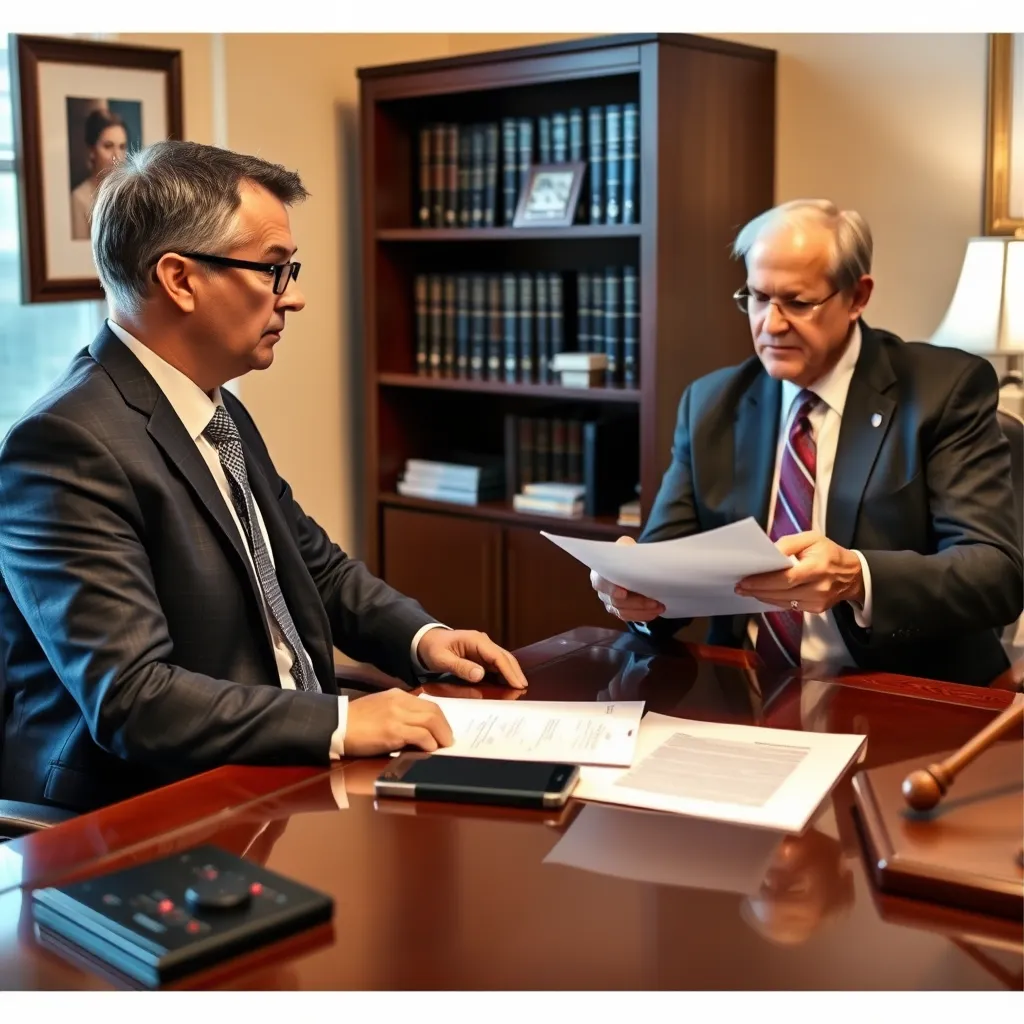
post divorce enforcement lawyer Manassas VA
What is post divorce enforcement
Post-divorce enforcement encompasses the legal mechanisms available when one party disregards the terms established in a divorce decree. These court-ordered agreements cover financial obligations like child support and alimony, property division details, and custody arrangements. When violations occur, the affected party has legal recourse through the court system. Enforcement actions serve to uphold the integrity of judicial decisions and ensure that agreements made during divorce proceedings are respected.
The enforcement process typically begins with documenting violations thoroughly. This includes keeping records of missed payments, tracking property that should have been transferred, or noting custody schedule breaches. Once documentation is complete, legal motions can be filed with the court that issued the original divorce decree. These motions request judicial intervention to compel compliance with the existing orders.
Several enforcement tools are available through the legal system. Courts can issue wage garnishment orders for unpaid support, place liens on property for division violations, or modify custody arrangements for repeated breaches. Contempt of court proceedings may be initiated for willful violations, potentially resulting in fines or even jail time for non-compliant parties. Each enforcement method depends on the specific type of violation and the circumstances involved.
Legal professionals understand the procedural requirements for enforcement actions. They know which motions to file, what evidence to present, and how to handle court proceedings effectively. Proper legal representation ensures that enforcement actions are handled correctly and efficiently, maximizing the chances of securing compliance with divorce decree terms.
Blunt Truth: Enforcement actions take time and resources. Courts move deliberately, and immediate results are not guaranteed, even with clear violations.
How to enforce post-divorce agreements
Enforcing post-divorce agreements follows a structured legal process designed to address specific violations. The first step involves comprehensive documentation of all breaches. For financial violations, this means recording missed payment dates, amounts due, and any communication about the delinquency. For property division issues, document what items were supposed to be transferred and when. For custody violations, note specific dates and times when arrangements were not followed.
Once documentation is complete, the next step involves filing the appropriate legal motions with the court that issued the original divorce decree. Different violations require different legal approaches. For unpaid child support or alimony, motions for wage garnishment or income withholding may be appropriate. For property division disputes, motions to compel transfer or requests for property liens might be necessary. For custody violations, motions to enforce parenting time or modify arrangements could be filed.
The court process involves presenting evidence of violations during hearings. This requires organizing documentation effectively and presenting it clearly to demonstrate the breaches occurred. The opposing party will have opportunity to respond, and the court will consider both sides before making decisions. Courts generally prefer to secure compliance through less severe measures first, escalating to more serious consequences if violations continue.
Legal representation is valuable during enforcement proceedings. Attorneys understand which motions to file, how to present evidence effectively, and what arguments to make before the court. They can also handle negotiations with the opposing party or their attorney to resolve issues without full court proceedings when possible. Professional guidance helps ensure the enforcement process moves forward efficiently.
Reality Check: Enforcement success depends on evidence quality and the other party’s ability to comply. Some violations may be due to genuine financial hardship rather than willful disregard.
Can I handle enforcement without a lawyer
Individuals can represent themselves in post-divorce enforcement matters, but this approach presents significant challenges. Court procedures for enforcement actions involve specific motion requirements, filing deadlines, and evidentiary standards. Without legal training, individuals may struggle to complete paperwork correctly, meet procedural requirements, or present evidence effectively. Simple errors in motion preparation or filing can result in delays or denials, prolonging the enforcement process unnecessarily.
The legal system operates on established rules and procedures that govern how enforcement actions proceed. These include requirements for serving documents properly, adhering to filing deadlines, following local court rules, and presenting evidence according to evidentiary standards. Missing any of these requirements can undermine an enforcement case, even when violations are clear and well-documented. Courts must apply the law consistently, which means procedural errors can have serious consequences.
Evidence presentation requires understanding what documentation is admissible and how to organize it effectively. Financial records, communication logs, and other documentation must be presented in a format the court accepts. Legal arguments must reference relevant statutes and case law to support enforcement requests. Without this knowledge, individuals may struggle to make persuasive cases even with strong evidence of violations.
Opposing parties often have legal representation, creating an imbalance in knowledge and experience. Attorneys understand negotiation tactics, procedural maneuvers, and legal strategies that can complicate enforcement efforts. Professional representation helps level this playing field and ensures enforcement actions proceed as effectively as possible. Legal guidance can also identify alternative approaches or settlement options that might not be apparent to those without legal training.
Straight Talk: Self-representation often costs more in time, stress, and potential errors than professional legal assistance. The court system favors proper procedure over fairness in individual circumstances.
Why hire legal help for enforcement
Legal representation offers significant benefits in post-divorce enforcement matters. Professionals understand the specific procedures required in Manassas courts, including local rules, filing requirements, and judicial preferences. This knowledge helps ensure enforcement actions proceed efficiently without procedural delays. Attorneys can prepare and file motions correctly the first time, avoiding common errors that can derail enforcement efforts. They also understand which enforcement mechanisms are most effective for different types of violations.
Evidence organization and presentation represent another area where legal help proves valuable. Attorneys know what documentation courts require, how to authenticate evidence properly, and how to present it persuasively. They can develop clear timelines, organize financial records effectively, and prepare witnesses if testimony is needed. This professional approach strengthens enforcement cases and increases the likelihood of favorable court decisions.
Strategic considerations play a role in enforcement success. Legal professionals can assess whether to pursue immediate court action or attempt negotiation first. They understand when to seek wage garnishment versus property liens, or when contempt proceedings might be appropriate. This strategic thinking helps tailor enforcement approaches to specific circumstances, maximizing effectiveness while minimizing unnecessary conflict or expense.
Communication with opposing parties or their attorneys benefits from professional handling. Legal representatives can communicate enforcement demands clearly while maintaining appropriate boundaries. They can negotiate payment plans, modified arrangements, or other solutions when full immediate compliance isn’t possible. This professional approach often leads to more practical resolutions while preserving the option of court action if agreements aren’t honored.
Blunt Truth: Legal help costs money, but incorrect enforcement attempts can cost more in lost time, missed opportunities, and continued violations of your rights.
FAQ:
What happens if my ex doesn’t pay child support?
Courts can order wage garnishment, intercept tax refunds, suspend licenses, or initiate contempt proceedings for unpaid child support obligations.
How long does enforcement take?
Timelines vary based on court schedules and case challenge, but initial motions typically take several weeks to months for resolution.
What evidence do I need for enforcement?
Document missed payments, communication about violations, custody schedule breaches, and any property transfer issues with dates and details.
Can enforcement modify original agreements?
Enforcement seeks compliance with existing orders, but separate modification proceedings can change terms if circumstances warrant adjustment.
What if my ex claims they can’t pay?
Courts consider financial circumstances and may order payment plans or modifications through proper legal channels if genuine hardship exists.
Are there costs for enforcement actions?
Filing fees and legal costs apply, but courts may order the non-compliant party to pay these expenses in some enforcement cases.
What happens in contempt proceedings?
Courts may impose fines, require compliance, or order jail time for willful violations of court orders after proper hearings.
Can I enforce out-of-state orders in Virginia?
Virginia courts can enforce valid orders from other states through proper registration procedures under interstate laws.
What if property wasn’t transferred as ordered?
Courts can compel transfer, appoint someone to complete transfers, or award equivalent value for property division violations.
How do I start enforcement proceedings?
Begin by documenting violations thoroughly, then consult with an attorney about filing appropriate motions with the issuing court.
What if custody arrangements aren’t followed?
Courts can enforce parenting time, modify arrangements, or impose consequences for repeated custody schedule violations.
Can enforcement affect future modifications?
Documented violations may influence future modification decisions regarding support amounts or custody arrangements.
Past results do not predict future outcomes