
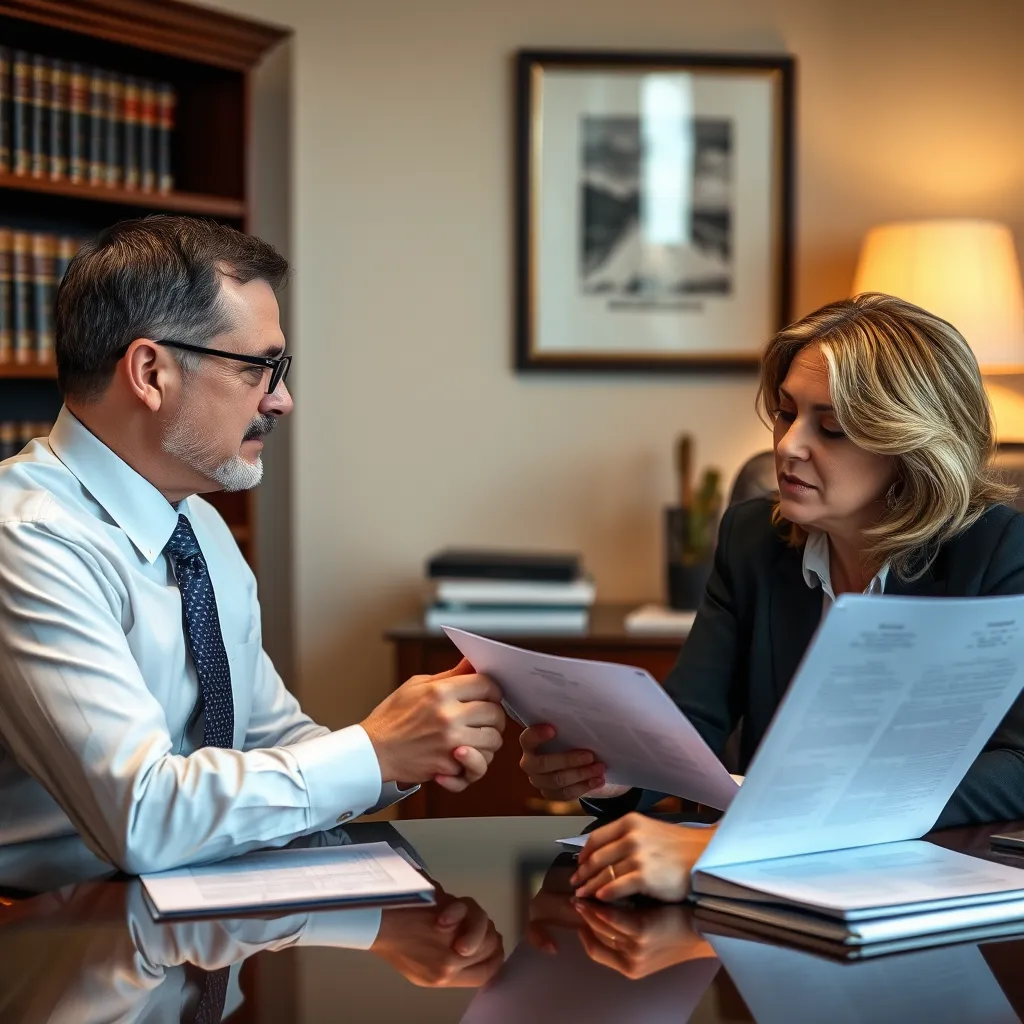
Note: This article is confirmed by Law Offices Of SRIS, P.C.
WRITTEN BY: Mr. Sris
Since 1997, Mr. Sris has led the firm, focusing on the most challenging criminal and family law cases. His background in accounting and information management aids in financial and technology-related cases. Involved in significant legislative changes in Virginia.
Postnup Lawyer Tysons VA
What is a Postnuptial Agreement
Postnuptial agreements serve as financial planning tools for married couples. These documents establish clear terms for property division, debt responsibility, and potential support arrangements. Unlike prenuptial agreements created before marriage, postnuptial agreements address financial matters after the wedding has taken place.
The process begins with complete financial disclosure from both spouses. Each party must provide accurate information about assets, debts, income, and financial obligations. Virginia law requires this transparency to ensure agreements are fair and informed. Legal representation helps verify disclosure completeness and accuracy.
Document preparation involves drafting specific terms that address the couple’s unique situation. Common provisions include property classification as separate or marital, debt allocation responsibilities, and support terms. The agreement must comply with Virginia statutory requirements to maintain enforceability. Proper drafting prevents future challenges to the document’s validity.
Professional insight emphasizes the importance of timing and circumstances. Agreements created during marital harmony typically face fewer challenges than those developed during relationship stress. Legal guidance helps couples understand their rights and obligations under Virginia law. This understanding supports informed decision-making about financial arrangements.
How to Create a Valid Postnuptial Agreement
The first step involves comprehensive financial disclosure. Both spouses must provide complete information about all assets, debts, income sources, and financial obligations. This includes bank accounts, investment accounts, real estate holdings, retirement accounts, business interests, and liabilities. Documentation should be thorough and accurate to prevent future challenges.
Independent legal representation is vital for both parties. Virginia courts scrutinize agreements where one spouse lacks proper legal advice. Each attorney reviews the financial disclosures, explains legal rights, and ensures the client understands the agreement’s implications. This representation helps prevent claims of coercion or misunderstanding later.
Document drafting requires careful attention to Virginia legal requirements. The agreement must be in writing and signed by both parties. Terms should be clear, specific, and address the couple’s unique financial situation. Provisions cannot violate public policy or encourage divorce. Fairness considerations apply, particularly regarding support arrangements.
Execution and storage complete the process. Signatures should be witnessed or notarized according to Virginia requirements. Both parties should retain copies of the signed agreement and supporting financial documentation. Periodic reviews may be necessary as financial circumstances change over time. Legal guidance helps maintain the agreement’s validity through life changes.
Can I Modify an Existing Postnuptial Agreement
Modification possibilities depend on the original agreement’s terms and current circumstances. Many agreements include provisions allowing amendments by mutual consent. Even without specific amendment language, spouses can agree to modify terms if both parties consent voluntarily. The modification process follows similar requirements as creating the original document.
Common reasons for modification include significant financial changes, career transitions, inheritance receipt, business development, or family expansion. These life events may alter the financial landscape originally addressed in the agreement. Regular reviews help ensure the document remains relevant to current circumstances. Professional guidance identifies when modifications are appropriate.
The modification process requires the same formalities as the original agreement. Both parties must provide updated financial disclosure reflecting current circumstances. Independent legal representation remains essential for each spouse. The modification must be in writing, signed voluntarily, and comply with Virginia legal requirements. Proper documentation prevents future disputes about changed terms.
Legal considerations address enforceability concerns. Modifications cannot be made under duress or during relationship crisis. Virginia courts examine whether both parties understood the changes and received proper advice. Timing matters, as modifications during marital harmony typically face less scrutiny than those made during separation discussions. Professional insight helps handle these considerations effectively.
Why Hire Legal Help for Postnuptial Agreements
Professional legal assistance begins with understanding Virginia’s specific requirements. State law establishes particular standards for postnuptial agreement validity. These include full financial disclosure, independent legal representation, voluntary execution, and compliance with public policy. Legal guidance helps handle these requirements effectively to create enforceable documents.
Financial disclosure verification represents a key attorney function. Lawyers help gather complete financial information and ensure accurate presentation. This process identifies assets, debts, income sources, and financial obligations that must be disclosed. Proper documentation prevents future claims of hidden assets or incomplete disclosure that could invalidate the agreement.
Document drafting requires legal knowledge of enforceable terms and provisions. Attorneys create clear, specific language that addresses the couple’s unique financial situation. This includes property classification, debt allocation, support terms, and modification procedures. Proper drafting prevents ambiguous language that could lead to future interpretation disputes.
Ongoing support addresses changing circumstances and potential modifications. Life events such as career changes, inheritance, business development, or family expansion may require agreement reviews. Legal guidance helps determine when modifications are appropriate and ensures proper procedures are followed. This ongoing relationship provides continuity through marital changes.
FAQ:
What is the difference between prenuptial and postnuptial agreements?
Prenuptial agreements are created before marriage while postnuptial agreements are established after marriage. Both address financial arrangements but timing differs.
Are postnuptial agreements enforceable in Virginia?
Yes, when properly created with full financial disclosure and independent legal advice for both parties following Virginia requirements.
What financial information must be disclosed?
All assets, debts, income sources, and financial obligations for both spouses must be fully disclosed in writing.
Can postnuptial agreements address child custody?
No, Virginia law prohibits agreements that determine child custody or support as these decisions must consider the child’s best interests.
How much does a postnuptial agreement cost?
Costs vary based on challenge but typically involve legal fees for both spouses’ attorneys and document preparation expenses.
Can I create a postnuptial agreement without a lawyer?
While possible, doing so risks creating an unenforceable document that may not meet Virginia legal requirements.
What makes a postnuptial agreement invalid?
Incomplete financial disclosure, lack of independent legal advice, coercion, or terms violating public policy can invalidate agreements.
Can postnuptial agreements be challenged in court?
Yes, agreements can be challenged if proper procedures weren’t followed or circumstances suggest unfairness or lack of understanding.
Do both spouses need separate attorneys?
Virginia courts strongly recommend independent legal representation for each spouse to ensure informed consent and agreement validity.
How often should postnuptial agreements be reviewed?
Review every 3-5 years or after significant financial changes, career transitions, inheritance, or other major life events.
Can postnuptial agreements address business interests?
Yes, business assets, ownership interests, and valuation methods can be specifically addressed in the agreement terms.
What happens if we divorce with a postnuptial agreement?
The agreement terms typically govern property division and support arrangements unless successfully challenged in court.
Past results do not predict future outcomes.