
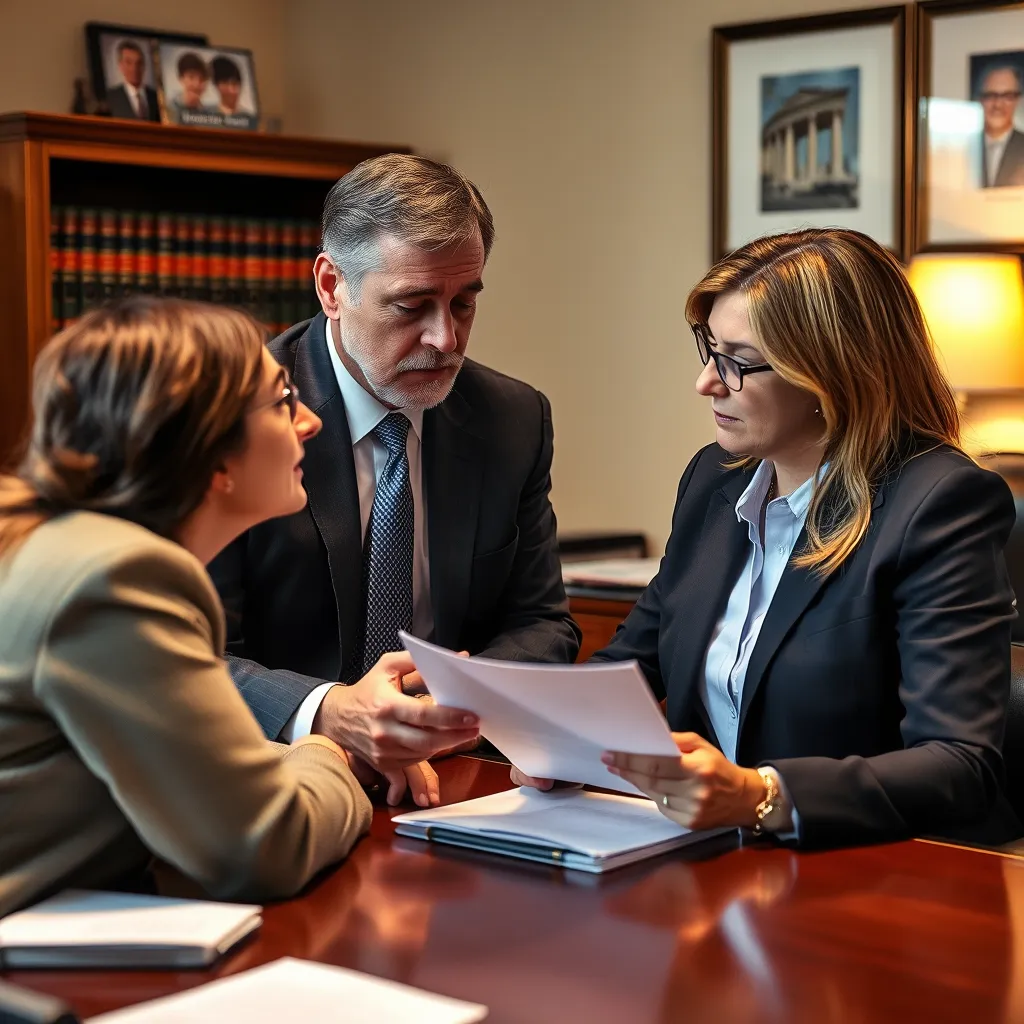
Protective Order Lawyer Roanoke, VA
Protective orders in Virginia offer legal protection for individuals facing domestic violence, stalking, or threats. The process involves several layers of court proceedings in the Roanoke area—including filings through the Roanoke City General District Court, Roanoke County General District Court, and the Juvenile and Domestic Relations (J&DR) courts. Whether you need an emergency protective order after an immediate incident or a permanent protective order following a full hearing, having counsel who understands Virginia Code §§ 16.1-253.1 and 16.1-279.1 is important. Mr. Sris and his Of Counsel team represent clients seeking protective orders as well as those defending against them in Roanoke City, Roanoke County, and throughout the region. The firm brings practical experience in family law matters and appears regularly in local courts. Contact Law Offices Of SRIS, P.C. at (888) 437-7747 to request a consultation. Law Offices Of SRIS, P.C. – Advocacy Without Borders.
What Protective Orders Mean in Roanoke
Protective orders are court-issued directives that place restrictions on contact between the petitioner and the respondent. In Virginia, these orders are governed primarily by Va. Code § 16.1-253.1 (preliminary protective orders) and § 16.1-279.1 (permanent protective orders). The statutes outline the procedures and standards the court must follow. In Roanoke, protective order petitions are typically handled through the Juvenile and Domestic Relations District Court when the parties have a family or household connection. The Roanoke City and Roanoke County J&DR courts have concurrent jurisdiction over protective order cases within their respective geographic boundaries.
The process can move quickly. An emergency protective order (EPO) may be requested by a law enforcement officer or a magistrate outside business hours. If granted, the EPO remains in effect for up to three days and can require the respondent to leave the residence and avoid contact. The petitioner must then appear in court within those days to seek a preliminary protective order, which can last up to 15 days or until a full hearing. A permanent protective order, issued after a hearing where both sides present evidence, can remain in force for up to two years. These orders can affect custody, visitation, and firearm possession rights. Roanoke area courts take these matters seriously, and both petitioners and respondents benefit from having counsel who knows the local docket and judges’ expectations.
How Mr. Sris and His Of Counsel Handle Protective Order Cases
When a client contacts Law Offices Of SRIS, P.C. about a protective order matter in Roanoke, the first step is a detailed case review. The attorney gathers all relevant facts, including any prior incidents, police reports, witness statements, and electronic communications. For a petitioner, the goal is to present a clear and credible narrative to the court. For a respondent, the aim is to challenge the allegations, ensure procedural fairness, and avoid an unnecessary order that can have lasting consequences on custody, employment, and background checks.
Mr. Sris and his Of Counsel team guide clients through each stage—preparing the petition or response, presenting evidence at the preliminary hearing, and conducting a full evidentiary hearing if needed. They cross-examine witnesses, introduce rebuttal evidence, and argue legal standards under the relevant Virginia statutes. Because protective orders intersect with divorce, custody, and support matters, the firm’s broader family law practice ensures all related issues are addressed cohesively. The approach is methodical: the attorneys work to protect the client’s safety and rights while striving for outcomes that minimize disruption to family stability. Every case is prepared with the understanding that a protective order’s impact extends beyond the courtroom.
About Mr. Sris and His Of Counsel Team
Mr. Sris, Owner and Founder of Law Offices Of SRIS, P.C., is a former prosecutor with experience in criminal trial work. He has practiced since 1997 and is admitted in Virginia, Maryland, the District of Columbia, New Jersey, and New York. His background gives him insight into both sides of protective order litigation—how petitioners build a case and what defenses are available. Mr. Sris testified before the Virginia House Courts of Justice Committee in support of 2019 HB 635 (chief patron Del. David Bulova). He works closely with his Of Counsel team, which includes attorneys experienced in family law and domestic relations litigation.
Mr. Sris and his Of Counsel team represent clients in Roanoke City and Roanoke County courts from the firm’s Fairfax location. They have documented case results across all practice areas since 1997. Results may vary. When you engage the firm, you receive representation from a team that approaches each matter individually, never relying on a one-size-fits-all strategy. For a consultation, reach Law Offices Of SRIS, P.C. at (888) 437-7747.
Frequently Asked Questions
What is a protective order in Virginia?
A protective order is a legal document issued by a Virginia court that prohibits contact between a petitioner and a respondent after allegations of domestic violence, stalking, or threats. It can require the respondent to stay away from the petitioner’s home, workplace, and school, and may also address temporary custody and support. Virginia recognizes three levels: emergency protective orders (EPOs), preliminary protective orders (PPOs), and permanent protective orders. Each level has a different duration and evidentiary standard. The process is designed to offer immediate safety while preserving the respondent’s right to a hearing.
How can a lawyer help with a protective order in Roanoke?
A lawyer can help by preparing the petition or response, gathering evidence, and representing you at court hearings in the Roanoke City or Roanoke County J&DR court. For petitioners, counsel ensures the allegations are clearly presented and supported by admissible evidence. For respondents, an experienced attorney can challenge the factual basis, cross-examine witnesses, and argue against the order’s necessity. Representation also addresses collateral issues like custody, visitation, and firearm restrictions. Because protective order cases move quickly, having counsel from the start improves your ability to present a strong case.
What are the different types of protective orders in Virginia?
Virginia law provides three types of protective orders: emergency protective orders (EPOs), preliminary protective orders (PPOs), and permanent protective orders. An EPO is short-term, usually issued by a magistrate, and lasts up to three days. A PPO can be granted by a judge at an initial hearing and remains in effect for about 15 days or until a full hearing is held. A permanent protective order can be issued after a full evidentiary hearing and may last up to two years. Each type requires different legal standards and carries distinct consequences, including potential impact on firearm rights and custody arrangements.
Can a protective order affect child custody?
Yes, a protective order can directly affect child custody, visitation, and support determinations. A permanent protective order may include temporary custody or visitation provisions. Even if not expressly stated, the existence of a protective order is a factor the court considers in any subsequent custody proceeding under Va. Code § 20-124.3. A finding of family abuse can influence the trusted-interests analysis. Both petitioners and respondents should understand that a protective order ruling—especially one based on findings of violence or threats—can shape custody outcomes for years. India is not a signatory to the 1980 Hague Convention on Civil Aspects of International Child Abduction.
What happens if someone violates a protective order in Virginia?
Violating a protective order is a criminal offense in Virginia, punishable as a Class 1 misdemeanor, with incarceration and fines possible. A second violation within five years or when committed while armed can elevate the charge. The court can also extend the duration of the protective order. Law enforcement officers are authorized to arrest without a warrant for violations they witness or for which they have probable cause. The consequences go beyond criminal penalties: a conviction can affect employment background checks, security clearances, and immigration status.
How do I request a consultation with a protective order lawyer in Roanoke?
You can request a consultation by calling Law Offices Of SRIS, P.C. at (888) 437-7747. The firm’s Fairfax location serves clients in Roanoke City and Roanoke County. Calls are answered 24 hours a day, seven days a week. During the consultation, an attorney will review your situation, explain the protective order process as it applies to the Roanoke courts, and discuss possible strategies. To discuss the details of your matter, contact Law Offices Of SRIS, P.C. at (888) 437-7747.
We also serve clients in these Virginia localities: Fairfax County Family Law Lawyer, Fairfax City Family Law Lawyer, Falls Church Family Law Lawyer, Prince William County Family Law Lawyer, and Manassas City Family Law Lawyer.
For authoritative information on Virginia protective order law, visit the Virginia Code Title 16.1, Chapter 11 and the Virginia Judicial System websites.
Attorney advertising. Prior results do not guarantee a similar outcome. Results may vary. Case results depend on a variety of factors unique to each case.
Case results depend on a variety of factors unique to each case.