
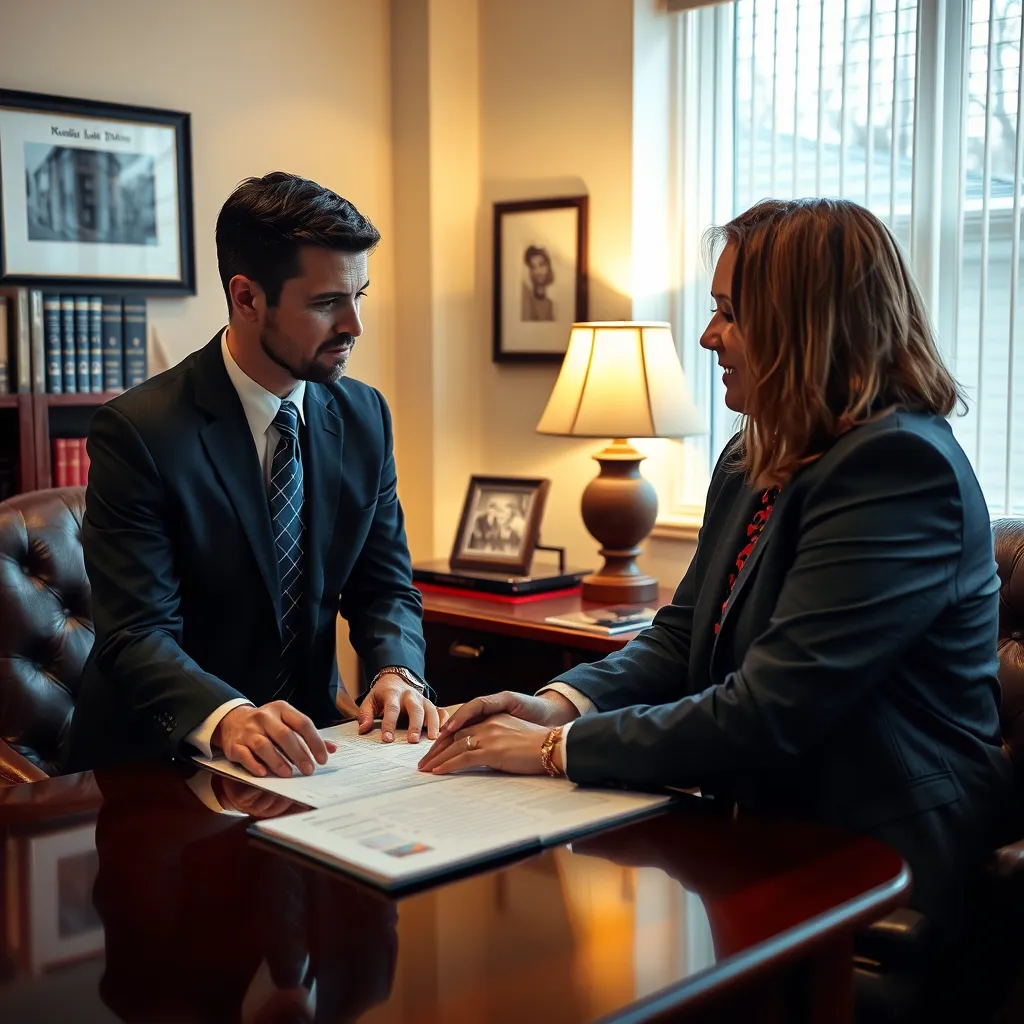
Note: This article is confirmed by Law Offices Of SRIS, P.C.
WRITTEN BY: Mr. Sris
Since 1997, Mr. Sris has led the firm, focusing on the most challenging criminal and family law cases… His background in accounting and information management aids in financial and technology-related cases… Involved in significant legislative changes in Virginia.
Insight: My focus since founding the firm in 1997 has always been directed towards personally handling the most challenging and involved criminal and family law matters our clients face.
Insight: I find my background in accounting and information management provides a unique advantage when handling the intricate financial and technological aspects inherent in many modern legal cases.
Insight: As someone deeply involved in the community, I believe it’s important to not only practice law but also to actively participate in shaping it, which is why I dedicated effort towards amending Virginia Code § 20-107.3 and achieving state recognition for cultural milestones.
Real Estate Division Lawyer Reston VA
What is Real Estate Division
Real estate division encompasses various legal mechanisms for separating property interests when co-owners cannot agree on continued joint ownership. The foundation of this area lies in Virginia’s partition statutes, which provide the legal framework for dividing real property. Partition actions can be either voluntary agreements between parties or court-ordered proceedings when owners cannot reach consensus.
The process typically begins with identifying all property owners and their respective ownership percentages. Documentation review includes deeds, titles, mortgage agreements, and any existing co-ownership contracts. Property valuation becomes a central component, often requiring professional appraisals to establish fair market value. This valuation serves as the basis for division calculations and potential buyout offers.
Legal strategies for property division include physical partition (dividing the property itself), partition by sale (selling the property and dividing proceeds), and partition in kind (allocating specific portions to each owner). Each approach has distinct advantages and limitations depending on property characteristics, owner relationships, and financial considerations. Physical partition works best for large tracts of land that can be subdivided, while partition by sale often suits residential properties where physical division isn’t practical.
Professional legal guidance helps handle Virginia’s specific requirements for partition actions. The Virginia Code establishes procedures for filing partition suits, serving notice to all interested parties, and conducting partition sales when necessary. Courts consider factors like property characteristics, owner preferences, and economic feasibility when determining the appropriate division method. Legal representation ensures proper adherence to statutory requirements and protects individual property rights throughout the process.
Reality Check: Property division cases often involve emotional family dynamics or strained business relationships. Legal processes can become lengthy when parties disagree on valuation or division methods.
How to Handle Property Division
The property division process follows a structured approach beginning with comprehensive property assessment. Initial steps involve gathering all relevant documentation including deeds, titles, mortgage statements, and any existing co-ownership agreements. Legal professionals review these documents to establish clear ownership percentages and identify any encumbrances or liens affecting the property. This foundational work ensures all parties understand their legal rights and obligations before proceeding with division discussions.
Property valuation represents a important phase requiring professional assessment. Licensed appraisers evaluate the property considering location, condition, market trends, and comparable sales. Multiple appraisal methods may be employed to establish fair market value, which serves as the basis for division calculations. Valuation disputes can arise when parties disagree on appraisal results, requiring additional review or mediation to reach consensus on property worth.
Division method selection depends on property characteristics and owner preferences. Physical division works for properties that can be reasonably subdivided, such as large land parcels. Partition by sale involves selling the entire property and distributing proceeds according to ownership percentages. Buyout agreements allow one owner to purchase others’ interests, maintaining sole ownership. Each method has specific legal requirements and tax implications that must be considered during selection.
Legal documentation formalizes the chosen division method. Partition agreements detail terms, timelines, and responsibilities for all parties. When court intervention becomes necessary, partition actions follow Virginia’s statutory procedures including proper notice to all interested parties, court hearings, and potential commissioner appointments to oversee sales. Legal representation ensures proper filing of required documents and adherence to court procedures throughout litigation.
Straight Talk: Division processes can become expensive when parties dispute valuation or division methods. Legal costs and appraisal fees add up quickly in contested cases.
Can I Divide Inherited Property
Inherited property division presents unique considerations under Virginia law. When multiple heirs inherit real estate, they become tenants in common with equal rights to the property unless specified otherwise in estate documents. The division process begins with reviewing the will or trust documents that may contain specific instructions for property disposition. Absent specific directions, heirs must collectively decide on property management and potential division methods.
Legal mechanisms for dividing inherited property include partition actions specifically designed for heir property situations. Virginia courts recognize the particular challenges of inherited real estate division and may appoint commissioners to oversee partition proceedings. These commissioners evaluate property characteristics, market conditions, and heir circumstances to recommend appropriate division methods. Court supervision ensures fair treatment of all heirs regardless of their financial resources or negotiation positions.
Buyout agreements represent a common solution for inherited property division. One or more heirs can purchase others’ interests, allowing continued ownership while compensating departing heirs. Valuation becomes particularly important in these situations, as fair market value must be established to determine buyout amounts. Professional appraisals help prevent disputes over property worth, while legal documentation ensures clear terms for payment schedules and ownership transfer.
When heirs cannot agree on division methods or property management, partition actions provide legal resolution. Virginia’s partition statutes establish procedures for filing suits, serving notice to all heirs, and conducting partition sales if necessary. Courts consider factors like property characteristics, heir relationships, and economic feasibility when ordering division methods. Legal representation helps heirs understand their rights and handle involved partition proceedings effectively.
Blunt Truth: Inherited property disputes often strain family relationships. Division processes can become emotionally charged when sentimental value conflicts with financial considerations.
Why Hire Legal Help for Property Division
Professional legal assistance provides significant advantages in property division matters. Attorneys bring specific knowledge of Virginia’s real estate laws and partition procedures that most property owners lack. This experienced lawyer helps handle involved legal requirements including proper notice to all interested parties, correct filing of partition actions, and adherence to court procedures. Legal professionals understand statutory timelines, documentation requirements, and potential pitfalls that could delay or complicate division proceedings.
Valuation accuracy represents another area where legal assistance proves valuable. Attorneys work with qualified appraisers to establish fair market value and can challenge questionable valuations when necessary. Proper valuation forms the foundation for division calculations, buyout amounts, and sale price determinations. Legal professionals ensure valuation methods comply with Virginia standards and withstand potential challenges from other parties or courts.
Negotiation and agreement drafting benefit from legal representation. Attorneys help structure division agreements that clearly define terms, responsibilities, and timelines for all parties. Proper documentation prevents future disputes by addressing potential issues before they arise. When negotiations reach impasse, legal professionals can pursue mediation or arbitration alternatives before resorting to litigation, potentially saving time and resources for all involved.
Court representation becomes essential when partition actions proceed to litigation. Attorneys present evidence, examine witnesses, and argue legal positions before judges. Professional representation ensures proper presentation of valuation evidence, division proposals, and legal arguments supporting client positions. Legal professionals understand courtroom procedures, evidence rules, and judicial preferences that can influence case outcomes significantly.
Reality Check: Property division cases involve substantial financial stakes. Professional legal help protects significant investments and ensures proper handling of valuable assets.
FAQ:
What is a partition action?
Partition actions are legal proceedings to divide co-owned property. Virginia courts can order physical division or property sale with proceeds distribution.
How long does property division take?
Division timelines vary based on agreement between parties. Contested cases requiring court intervention typically take several months to resolve.
What costs are involved in property division?
Costs include legal fees, appraisal expenses, and court filing fees. Partition sales may involve real estate commissions and closing costs.
Can I force a property sale?
Virginia law allows partition actions that can result in court-ordered property sales when owners cannot agree on division methods.
How is property value determined?
Professional appraisals establish fair market value. Multiple appraisal methods may be used depending on property type and characteristics.
What happens if owners disagree on value?
Valuation disputes may require additional appraisals or court determination. Mediation can help resolve differences before litigation.
Are there tax implications for property division?
Division methods can trigger capital gains taxes or transfer taxes. Professional advice helps understand specific tax consequences.
Can inherited property be divided differently?
Inherited property follows same division procedures unless wills specify alternative arrangements. Heirs have equal rights unless documents state otherwise.
What documents are needed for property division?
Required documents include deeds, titles, mortgage statements, and ownership agreements. Estate documents apply for inherited property.
How are division costs allocated?
Costs typically divide according to ownership percentages. Courts may adjust allocations based on case circumstances and party conduct.
Can I buy out other owners?
Buyout agreements allow purchase of co-owners’ interests. Valuation determines purchase amounts based on ownership percentages.
What if property has mortgages or liens?
Encumbrances must be addressed during division. Options include payoff before division or allocation among new owners.
Past results do not predict future outcomes