
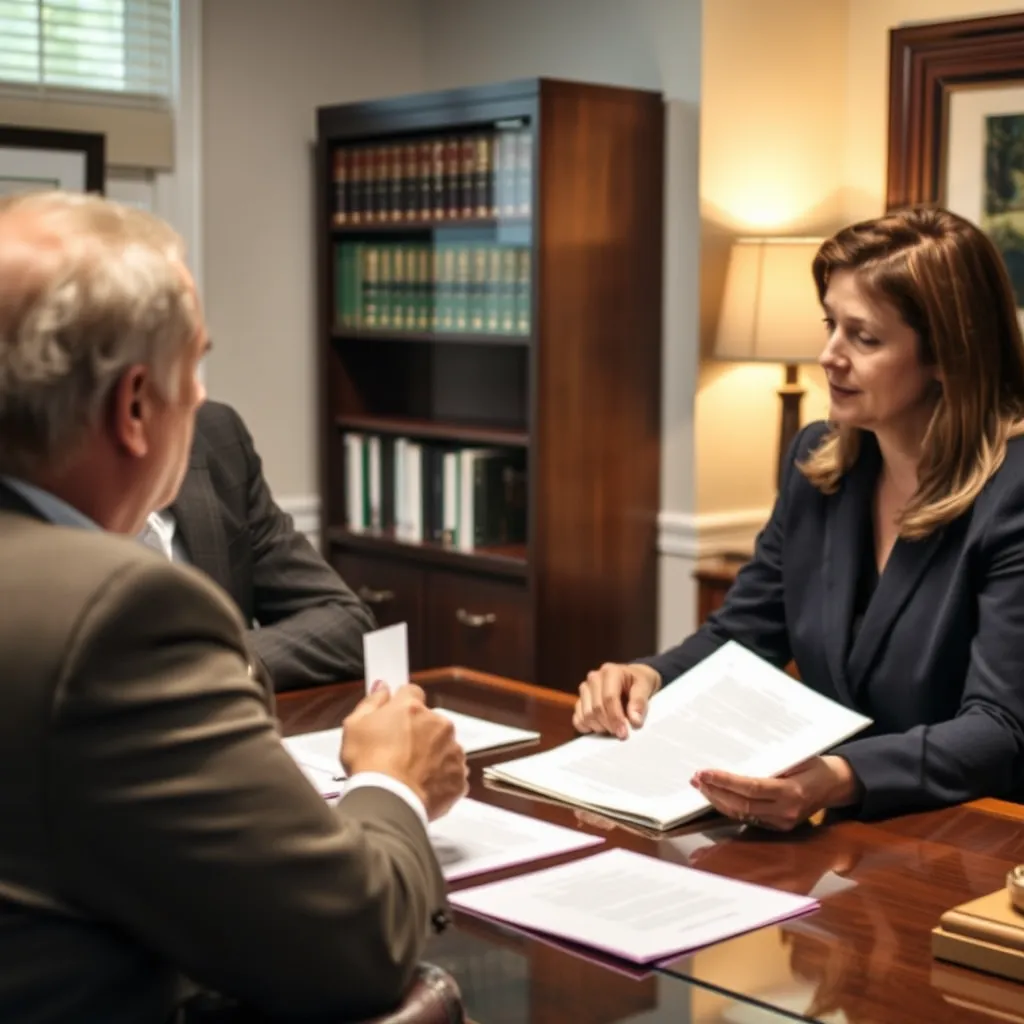
Note: This article is confirmed by Law Offices Of SRIS, P.C.
WRITTEN BY: Mr. Sris
Since 1997, Mr. Sris has led the firm, focusing on the most challenging criminal and family law cases. His background in accounting and information management aids in financial and technology-related cases. Involved in significant legislative changes in Virginia. My focus since founding the firm in 1997 has always been directed towards personally handling the most challenging and involved criminal and family law matters our clients face.
Standby Guardianship Lawyer Tysons VA
What is Standby Guardianship
Standby guardianship represents a proactive legal approach to child care planning. This arrangement allows parents to designate a trusted individual who can assume care responsibilities when parents face circumstances preventing them from fulfilling parental duties. The legal framework provides clear guidelines about when the guardianship activates and what authority the designated person holds.
Parents create these arrangements through specific legal documents that outline triggering events. Common triggers include serious illness, hospitalization, military deployment, or incarceration. The documents specify exactly when the standby guardian’s authority begins and ends. This clarity prevents confusion during stressful situations when children need immediate care.
The process involves drafting legal documents that meet Virginia’s statutory requirements. These documents must clearly identify the children, designate the standby guardian, and specify triggering events. Parents maintain their parental rights until the triggering events occur. The standby guardian assumes temporary responsibility while parents remain unable to care for their children.
Legal professionals help families understand the scope of authority granted to standby guardians. This includes decisions about education, medical care, and daily living arrangements. The arrangement can be temporary or extend until children reach adulthood, depending on parental circumstances. Proper legal guidance ensures documents comply with state laws and reflect parental intentions accurately.
Reality Check: Standby guardianship documents only work if properly executed and recognized by institutions like schools and hospitals. Without proper legal preparation, designated caregivers may face obstacles when trying to make decisions for children.
How to Establish Future Guardianship
Establishing future guardianship requires careful planning and legal preparation. The process begins with thoughtful consideration of potential guardians who share parental values and can provide stable environments. Parents should discuss responsibilities with potential guardians to ensure willingness and understanding of the commitment involved. These conversations help clarify expectations about child-rearing approaches, educational priorities, and cultural considerations.
Legal documentation forms the foundation of future guardianship arrangements. Virginia law requires specific elements in guardianship documents, including clear identification of children and designated guardians. The documents must specify exact conditions that trigger the guardianship activation. Common triggering events include parental death, incapacity, or prolonged absence. Legal professionals help draft precise language that leaves no room for interpretation during important moments.
The execution process involves proper signing and witnessing of documents according to state requirements. Some arrangements may require notarization or filing with appropriate courts. Legal guidance ensures all formalities are completed correctly to prevent challenges to the documents’ validity. Proper execution gives institutions like schools and medical facilities confidence in the guardian’s authority.
Parents should review and update guardianship arrangements periodically. Life changes such as relocation, relationship changes, or guardian availability may require document modifications. Regular reviews ensure arrangements remain current and reflect parental wishes. Legal professionals can assist with updates to maintain document validity over time.
Communication with family members and institutions represents another vital step. Informing schools, healthcare providers, and extended family about guardianship arrangements prevents confusion during emergencies. Providing copies of documents to relevant parties ensures smooth implementation when needed. This proactive approach minimizes disruptions to children’s lives during transitions.
Straight Talk: Future guardianship documents only help if people know they exist and where to find them. Keep copies accessible and inform key people about the arrangements.
Can I Designate Temporary Care Arrangements
Temporary care arrangements provide legal solutions for short-term child care needs. These arrangements differ from permanent guardianship by having specific time limits and defined circumstances. Parents can authorize temporary guardianship for situations like medical treatment, business travel, educational programs, or family emergencies. The legal framework allows designated caregivers to make decisions during the specified period without requiring court intervention.
The documentation process involves creating authorization letters or temporary guardianship agreements. These documents should include specific details about the arrangement’s duration, typically ranging from days to several months. Clear start and end dates prevent confusion about when the temporary guardian’s authority begins and ends. The documents also outline the scope of decision-making authority granted to the temporary caregiver.
Legal requirements for temporary arrangements vary by jurisdiction, but generally include identification of all parties, specific authorization language, and proper execution. Some situations may require notarization to ensure document validity. Professional guidance helps determine appropriate documentation based on the specific circumstances and duration of need. Proper documentation gives temporary caregivers confidence in their authority to make decisions.
Communication with institutions represents a vital component of temporary arrangements. Providing copies of authorization documents to schools, healthcare providers, and activity organizers ensures smooth operation during the temporary period. This proactive approach prevents delays in medical treatment, educational activities, or other important aspects of children’s lives. Clear communication helps institutions understand the temporary nature of the arrangement.
Parents should consider backup plans for unexpected extensions of temporary arrangements. Life circumstances sometimes change, requiring longer periods of temporary care than originally planned. Including provisions for extension or alternative arrangements in documentation provides flexibility. Legal professionals can help draft provisions that address potential changes while maintaining document validity.
Blunt Truth: Temporary arrangements work best when everyone involved understands the limits and duration. Unclear timeframes can create confusion about when parental authority resumes.
Why Hire Legal Help for Guardianship Planning
Legal assistance provides significant benefits for guardianship planning beyond basic document preparation. Professionals bring understanding of Virginia’s specific legal requirements for guardianship arrangements. This knowledge helps ensure documents comply with statutory standards and court expectations. Legal professionals can identify potential issues in guardianship plans that might not be apparent to families without legal background.
The drafting process benefits from legal experienced lawyer in precise language selection. Guardianship documents require specific terminology to convey intended authority clearly. Ambiguous language can lead to disputes or challenges when documents need implementation. Legal professionals use tested language that courts and institutions recognize and respect. This precision prevents misunderstandings during stressful situations when documents must be implemented quickly.
Legal guidance helps families consider aspects they might overlook independently. Professionals can suggest provisions for unexpected circumstances, backup arrangements, and communication protocols. They understand how different institutions interpret guardianship documents and can prepare families for potential questions or requirements. This comprehensive approach creates more robust arrangements that function effectively in real-world situations.
Professional assistance also provides validation of document execution procedures. Legal professionals ensure proper signing, witnessing, and notarization according to Virginia requirements. They can advise on document storage and distribution to appropriate parties. This attention to procedural details strengthens document validity and reduces risk of challenges based on technical deficiencies.
Ongoing support represents another advantage of professional legal help. Life circumstances change, requiring updates to guardianship arrangements. Legal professionals can assist with modifications to ensure documents remain current and valid. They can also provide guidance if questions arise about document interpretation or implementation. This continued relationship offers peace of mind that arrangements remain effective over time.
Reality Check: DIY guardianship documents often fail when institutions question their validity or when triggering events don’t match the document language exactly. Professional drafting addresses these potential problems upfront.
FAQ:
1. What is the difference between standby and permanent guardianship?
Standby guardianship activates only when specific conditions occur, while permanent guardianship involves ongoing responsibility. Standby arrangements are temporary solutions for parental absence situations.
2. How long does standby guardianship last?
Duration depends on the triggering events specified in documents. Some arrangements end when parents resume care, while others continue until children reach adulthood.
3. Can I change my designated guardian later?
Yes, guardianship documents can be updated as circumstances change. Legal professionals can help modify arrangements to reflect current preferences.
4. What authority does a standby guardian have?
Authority depends on document specifications but typically includes decisions about education, healthcare, and daily living arrangements for children.
5. Do both parents need to agree on guardianship arrangements?
Ideally both parents should agree, but legal options exist for situations where agreement isn’t possible. Legal guidance helps address these circumstances.
6. How much does guardianship planning cost?
Costs vary based on challenge and legal assistance needed. Many find the investment worthwhile for peace of mind about children’s future care.
7. What happens if my designated guardian cannot serve when needed?
Documents can include alternate guardians or provisions for selecting replacements. Legal professionals help plan for these possibilities.
8. Are guardianship documents valid across state lines?
Documents should be reviewed if families move between states. Legal professionals can advise on interstate recognition and necessary updates.
9. When should I start guardianship planning?
Planning can begin anytime but becomes particularly important when children are young or when parents face health concerns or travel requirements.
10. What information do I need to provide for guardianship documents?
Basic information includes full names, birthdates, contact details for all parties, and specific instructions about care preferences and triggering events.
Past results do not predict future outcomes