
Charitable Trust Lawyer Bedford County, VA
A charitable trust is a powerful tool in Virginia for individuals and families who want to align their philanthropic goals with long-term financial planning. In Bedford County, clients who create charitable trusts often support local institutions, religious organizations, or broader causes while maintaining significant flexibility over how assets are managed and distributed. The legal framework for these trusts is set out in the Virginia Uniform Trust Code (Va. Code § 64.2‑700 et seq.), which governs formation, administration, and modification. At Law Offices Of SRIS, P.C., Mr. Sris and the firm’s Of Counsel attorneys assist clients in Bedford, Forest, Smith Mountain Lake, and Moneta with drafting charitable trusts that comply with Virginia law and reflect each donor’s specific intentions. Reach our firm at (888) 437‑7747 to request a consultation.
Law Offices Of SRIS, P.C. – Advocacy Without Borders.
What Charitable Trust Means in Bedford County
A charitable trust is an irrevocable or revocable arrangement through which assets are placed under the management of a trustee for one or more charitable purposes. Under the Virginia Uniform Trust Code, a charitable trust may be created for the relief of poverty, the advancement of education or religion, the promotion of health, or other purposes beneficial to the community. Unlike a private trust, a charitable trust does not require definite beneficiaries; instead, the trust’s purpose must be exclusively charitable, and the Attorney General of Virginia may enforce its terms if necessary.
In Bedford County, clients often consider a charitable trust when they wish to leave assets to a local entity—such as a house of worship, the National D‑Day Memorial Foundation, or a scholarship fund—while retaining some income interest or receiving an immediate tax deduction. The Bedford County Circuit Court (probate matters are administered by the Clerk of Circuit Court at 123 East Main Street, Suite 202, Bedford, VA 24523) has jurisdiction over trust registration and disputes if they arise. Because a charitable trust must satisfy specific statutory formalities, including a clear declaration of charitable intent and acceptance by a qualified trustee, working with an experienced lawyer is common.
The process of creating a charitable trust in Bedford County does not require court approval unless a dispute arises during administration. However, careful drafting is essential to avoid ambiguity that could lead to litigation. Mr. Sris and his Of Counsel have extensive experience working with Virginia’s trust statutes and with the local courts, and they help clients select the right trust structure—such as a charitable remainder trust, a charitable lead trust, or a donor‑advised fund administered through a community foundation.
How Mr. Sris and His Of Counsel Handle Charitable Trust Cases
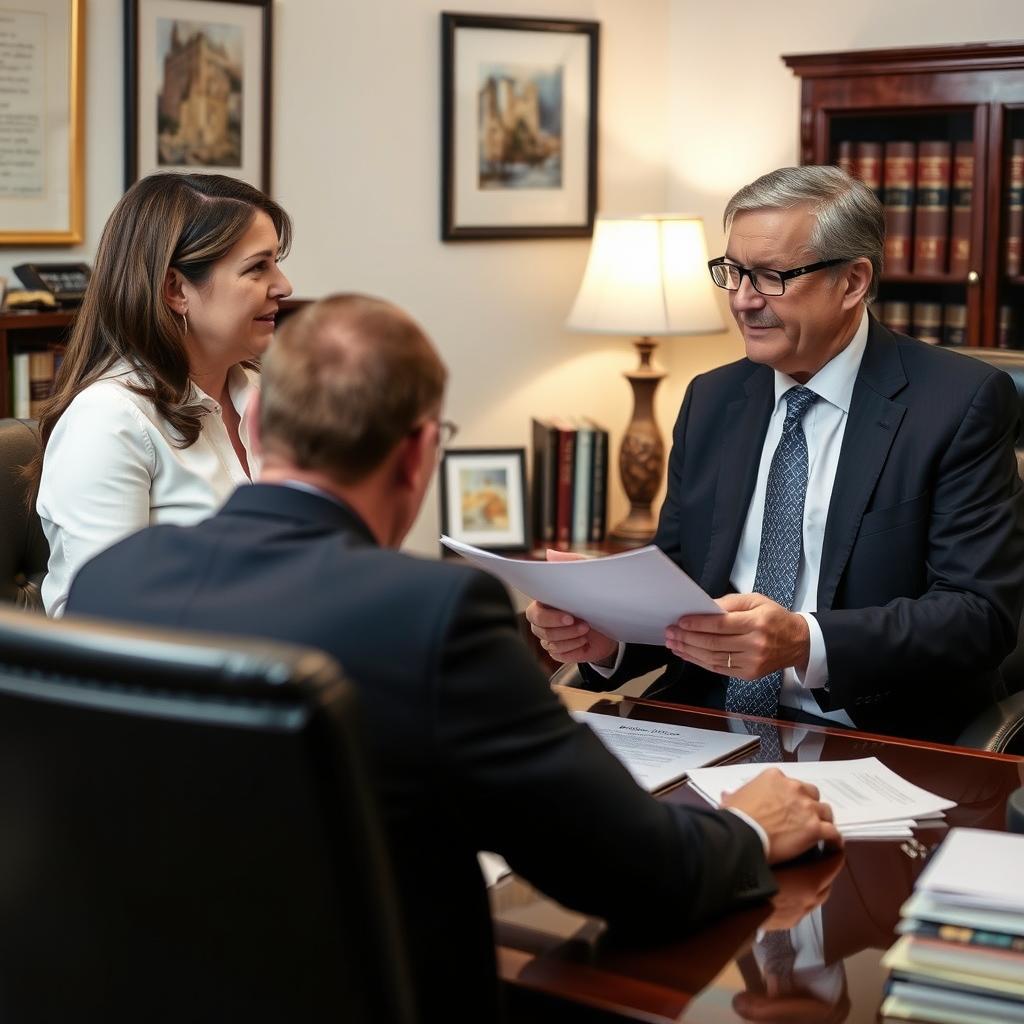
When a Bedford County client approaches Law Offices Of SRIS, P.C. about a charitable trust, the first step is a consultation to identify the client’s objectives. Some clients want to provide income for a surviving spouse before the remainder passes to charity; others seek an immediate income-tax deduction or want to remove assets from their taxable estate. Mr. Sris and the firm’s Of Counsel attorneys gather information about the assets, the intended charitable beneficiaries, and any expectations for income distributions or trustee selection. They then draft a trust instrument that complies with the Virginia Uniform Trust Code and that addresses specific family or business considerations relevant to the client.
If the trust is intended to be irrevocable, the drafting phase also coordinates with the client’s tax advisor to ensure that the trust qualifies for the desired federal income, gift, or estate-tax treatment. The firm does not provide tax advice directly, but the trust documents are structured to meet the requirements of the Internal Revenue Code to the extent that the client’s tax professional specifies. Once the trust is executed, Mr. Sris and his Of Counsel can assist with transferring assets into the trust and providing ongoing guidance if the client or a family member serves as trustee.
Should a charitable trust ever become the subject of a disagreement—for example, a claim that the settlor lacked capacity or that the trust terms are unclear—the Bedford County Circuit Court is the venue for any resulting litigation. The firm’s attorneys are familiar with the local procedures and can represent trustees, beneficiaries, or the settlor’s estate in court when necessary. Their approach emphasizes resolving disputes efficiently while protecting the charitable purpose that the client originally intended.
About Mr. Sris and His Of Counsel Team
Law Offices Of SRIS, P.C. was founded in 1997 by Mr. Sris, Owner and Founder, who is admitted to practice in Virginia, Maryland, the District of Columbia, New Jersey, and New York. Mr. Sris is a former prosecutor and has testified before the Virginia House Courts of Justice Committee in support of 2019 HB 635 (chief patron Del. David Bulova). He concentrates his practice on trust and estate matters, complex family law, and serious criminal defense, drawing on a thorough understanding of Virginia’s statutory framework and court procedures.
The firm’s Of Counsel attorneys bring additional depth to every trust engagement. Mr. Sris and his Of Counsel bring extensive combined legal experience. Results may vary. Collectively, they have handled trust and estate matters for clients across multiple jurisdictions, and they understand the importance of creating charitable trusts that are both tax‑efficient and aligned with the donor’s long‑term vision.
For Bedford County residents, Mr. Sris and his Of Counsel team are available by appointment through the firm’s Shenandoah location at 505 N Main St, Suite 103, Woodstock, VA 22664. Consultations can be requested by telephone 24 hours a day at (888) 437‑7747.
Frequently Asked Questions
What is a charitable trust under Virginia law?
A charitable trust under Virginia law is a trust created for a charitable purpose, such as relieving poverty, advancing education, or promoting health, and it benefits the public rather than identifiable individuals. The Virginia Uniform Trust Code (Va. Code § 64.2‑700 et seq.) defines the rules for creating, modifying, and enforcing charitable trusts. Unlike a private trust, a charitable trust does not require definite beneficiaries and may be enforced by the Virginia Attorney General. An experienced lawyer can help Bedford County residents structure a trust that satisfies the statutory requirements and achieves the donor’s philanthropic goals.
Do I need a lawyer to set up a charitable trust in Bedford County, Virginia?
Virginia does not require you to hire a lawyer to create a charitable trust, but because the tax consequences and statutory formalities are complex, most donors work with an attorney. A properly drafted charitable trust ensures that the donor’s intent is clear, that the trust qualifies for any available federal tax benefits, and that the trustee understands their duties under Virginia law. Mistakes in the trust document can lead to litigation or loss of the charitable character, which is why Mr. Sris and his Of Counsel provide tailored drafting and counseling for Bedford County clients.
What types of charitable trusts are available in Virginia?
Virginia law permits several kinds of charitable trusts, including charitable remainder trusts, charitable lead trusts, and pooled income funds. A charitable remainder trust pays income to one or more non‑charitable beneficiaries for a term of years or for life, with the remainder passing to charity. A charitable lead trust does the reverse—paying income to charity for a period, after which the remaining assets revert to the donor’s family. The choice depends on whether the donor seeks an immediate income-tax deduction or wants to reduce estate‑tax exposure, and the Virginia Uniform Trust Code governs the administration of all such trusts.
How does a charitable remainder trust work in Bedford County?
A charitable remainder trust (CRT) provides income to the donor or a chosen beneficiary for a set term or for life, and the remaining assets then go to a qualified charity. The donor receives an immediate charitable income‑tax deduction based on the present value of the remainder interest that will eventually pass to charity. In Bedford County, clients often use a CRT to convert appreciated assets—such as stock or real estate—into a lifetime income stream while avoiding immediate capital‑gains tax. Because the trust must meet specific IRS rules and Virginia trust‑law formalities, careful legal drafting is essential.
What happens if a charitable trust is challenged in Bedford County?
If a charitable trust is challenged, the dispute is heard in the Bedford County Circuit Court, which exercises jurisdiction over trusts and probate matters. Challenges may arise from allegations of undue influence, lack of capacity, or ambiguity in the trust terms. The court applies the Virginia Uniform Trust Code and, when necessary, may involve the Attorney General to represent the public’s interest in the charitable purpose. An attorney familiar with Bedford County courts can represent the trustee or other interested parties to seek a resolution that upholds the donor’s original intent.
How many years can a charitable trust last in Virginia?
Under the Virginia Uniform Trust Code, a charitable trust may exist in perpetuity; Virginia law does not apply the rule against perpetuities to charitable trusts. This means a Bedford County donor can create a trust that continues to serve a charitable purpose indefinitely. In contrast, non‑charitable trusts in Virginia are subject to a 1,000‑year perpetuities period. The ability to last forever is one reason charitable trusts remain a popular vehicle for donors who want to leave a permanent legacy.
For additional information about trust and estate matters in other Virginia counties, you may find these pages helpful: Fairfax County Trust & Estate Lawyer | Prince William County Trust & Estate Lawyer | Manassas Trust & Estate Lawyer. Each page addresses local procedures and court requirements in those jurisdictions.
Outbound authority: Virginia Uniform Trust Code (Va. Code § 64.2‑700 et seq.) | Bedford County Circuit Court | Virginia’s Judicial System.
Attorney advertising. Prior results do not guarantee a similar outcome.
Results may vary.
Case results depend on a variety of factors unique to each case.