
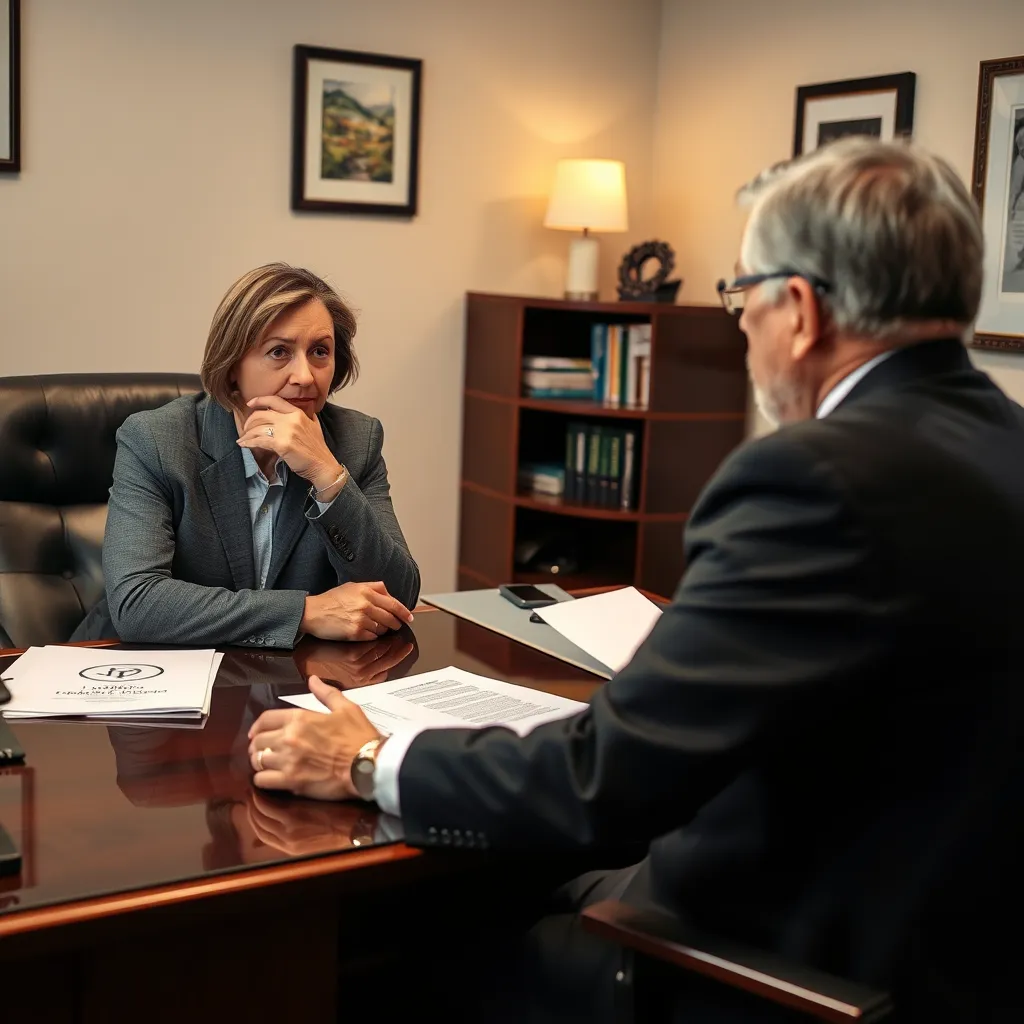
Child Custody Lawyer Roanoke, VA
At the Roanoke Juvenile and Domestic Relations District Court, judges decide which parent has legal custody, physical custody, and how much time a child spends with each parent. When a custody dispute is part of a divorce, the Roanoke City Circuit Court or the Roanoke County Circuit Court has jurisdiction. The court applies the trusted‑interests‑of‑the‑child standard under Va. Code § 20‑124.3, weighing ten statutory factors. Mr. Sris and his Of Counsel appear regularly in these courts and bring extensive combined legal experience to custody negotiations and litigation. Reach Law Offices Of SRIS, P.C. at (888) 437‑7747 to request a consultation about your Roanoke custody case. Law Offices Of SRIS, P.C. – Advocacy Without Borders.
Virginia courts decide child custody based on the ten statutory factors in Va. Code § 20‑124.3, including each parent’s role, the child’s needs, and any history of abuse.
Source: Va. Code § 20‑124.3. Virginia Legislative Information System
Reviewed by Mr. Sris, admitted in VA/MD/DC/NJ/NY.
How Child Custody Cases Proceed in Roanoke Courts
Most custody matters begin with a petition filed in the Juvenile and Domestic Relations District Court. That court has authority to enter temporary orders and final orders on custody, visitation, and child support. If a divorce is pending, the Circuit Court can also resolve custody as part of the divorce proceeding. In either court, the process typically moves through several broad stages—pleading, discovery, possible mediation, and a final hearing.
Discovery allows both sides to gather documents and testimony relevant to the child’s welfare. In Roanoke, parties may ask the court to appoint a Guardian ad Litem—an independent attorney for the child—when the child’s safety or best interests need an extra layer of evaluation. The court may also order a custody evaluation by a mental‑health professional. While mediation is available and often encouraged, it is not mandatory in Virginia; if parents cannot agree, the judge will decide after hearing evidence from both sides.
At the final hearing, the judge weighs the factors in Va. Code § 20‑124.3. Those factors include the child’s relationship with each parent, the child’s needs, each parent’s willingness to support the child’s relationship with the other parent, and any history of family abuse. The judge’s order will specify legal custody (who makes major decisions) and physical custody (where the child lives). The order may also set a detailed parenting‑time schedule. A custody order can be modified later if there is a material change in circumstances.
What Roanoke Judges Consider in Custody Decisions
While every case is different, Roanoke judges typically concentrate on the child’s stability and the ability of each parent to provide a safe, loving environment. They look carefully at the role each parent has played in the child’s life—not just the quantity of time, but the quality of care, involvement in school, medical decisions, and daily routines. Judges in Roanoke are also mindful of each parent’s willingness to foster the child’s relationship with the other parent, because ongoing contact with both parents is generally seen as beneficial.
Practical considerations matter, too. The judge may consider where each parent lives, the proximity to the child’s school, and the availability of extended family support. A parent who has been the primary caregiver during the marriage often has a factual advantage, but the court’s focus is always on what arrangement will serve the child’s best interests going forward—not on punishing or rewarding either parent. When domestic violence or substance abuse is present, the court will weigh those facts heavily under the statutory factors.
Parties should be prepared to present their case with clear, specific evidence. Mr. Sris and his Of Counsel help clients gather the documentation and testimony needed to show why a particular custody arrangement is in the child’s best interests.
Mr. Sris and His Of Counsel—Experience in Roanoke Custody Matters
Mr. Sris, Owner and Founder of Law Offices Of SRIS, P.C., has practiced since 1997 and is admitted in Virginia, Maryland, the District of Columbia, New Jersey, and New York. A former prosecutor, he brought trial experience into the firm he founded. Mr. Sris testified before the Virginia House Courts of Justice Committee in support of 2019 HB 635 (chief patron Del. David Bulova).
Mr. Sris and his Of Counsel bring extensive combined legal experience to child custody representation in Roanoke. Results may vary. The team includes lawyers who have handled complex family law disputes across Northern Virginia and statewide, and they appear regularly in the Roanoke Juvenile and Domestic Relations District Court and the Roanoke Circuit Courts. The firm takes a focused approach—listening carefully to the parents’ goals, evaluating the strengths and risks of the case, and presenting a clear, well‑organized argument to the judge.
Frequently Asked Questions
How does a judge in Roanoke decide who gets custody?
A judge decides custody based on the ten best‑interests factors listed in Va. Code § 20‑124.3, with the child’s welfare as the overriding concern. The judge looks at each parent’s past involvement, the child’s needs, any history of abuse, and each parent’s willingness to support the child’s relationship with the other parent. No single factor controls; the judge balances all ten and crafts an order that fits the family’s specific situation.
Can a custody order from another state be enforced in Roanoke?
Yes, under the Uniform Child Custody Jurisdiction and Enforcement Act (UCCJEA), Virginia courts will recognize and enforce custody orders from another state if that state had proper jurisdiction. The party seeking enforcement must register the foreign order in the appropriate Roanoke court. Once registered, the order can be enforced as though it were a Virginia order. Mr. Sris and his Of Counsel can assist with registration and enforcement proceedings.
What if the other parent moves out of Roanoke with the child?
Virginia law requires 30 days’ advance written notice before a parent who has custody or visitation rights relocates or changes the child’s address. If a parent moves without notice, the other parent can petition the Roanoke court for an emergency order. The court may modify custody or impose sanctions. Prompt action is important because delay can affect the court’s willingness to modify the arrangement.
Do I really need a lawyer for a child custody case in Roanoke?
You are not required to have a lawyer, but child custody cases involve high‑stakes decisions about your child’s future, and the rules of evidence and procedure are complex. An experienced lawyer can help you present your best case, avoid procedural missteps, and negotiate a settlement when possible. Especially when the other parent has counsel, having your own representation significantly levels the playing field.
How long does a typical custody case take in Roanoke?
The timeline varies depending on whether the case is contested, the court’s calendar, and whether discovery or evaluations are needed. An uncontested case can often be resolved within a few months. A heavily disputed case with a custody evaluation and a full trial may take longer. The court sets deadlines at the outset, and Mr. Sris and his Of Counsel work to move the case forward as efficiently as the circumstances permit.
Can grandparents or other relatives get custody in Roanoke?
Yes, Virginia law allows a person with a legitimate interest—including grandparents or other relatives—to petition for custody or visitation if the parents are unfit or if special circumstances exist. The court will still apply the trusted‑interests standard. Third‑party custody cases are fact‑intensive, and the burden of proof is on the petitioner to show that awarding custody to the non‑parent is in the child’s best interests.
Request a Consultation with a Child Custody Lawyer Serving Roanoke
Law Offices Of SRIS, P.C. serves Roanoke clients from our Virginia locations. To discuss your custody matter, call (888) 437‑7747 or reach our Fairfax Location—4008 Williamsburg Court, Fairfax, VA 22032. Consultations are by appointment. Results may vary. case outcomes depend on the specific facts of each situation.
Related pages: Full statutory analysis of Virginia family law | Child support representation in Roanoke
Primary sources: Va. Code § 20‑124.3 (Best Interests of the Child) | Virginia’s Judicial System
Attorney advertising. Prior results do not guarantee a similar outcome. Case results depend on a variety of factors unique to each case. Results may vary.