
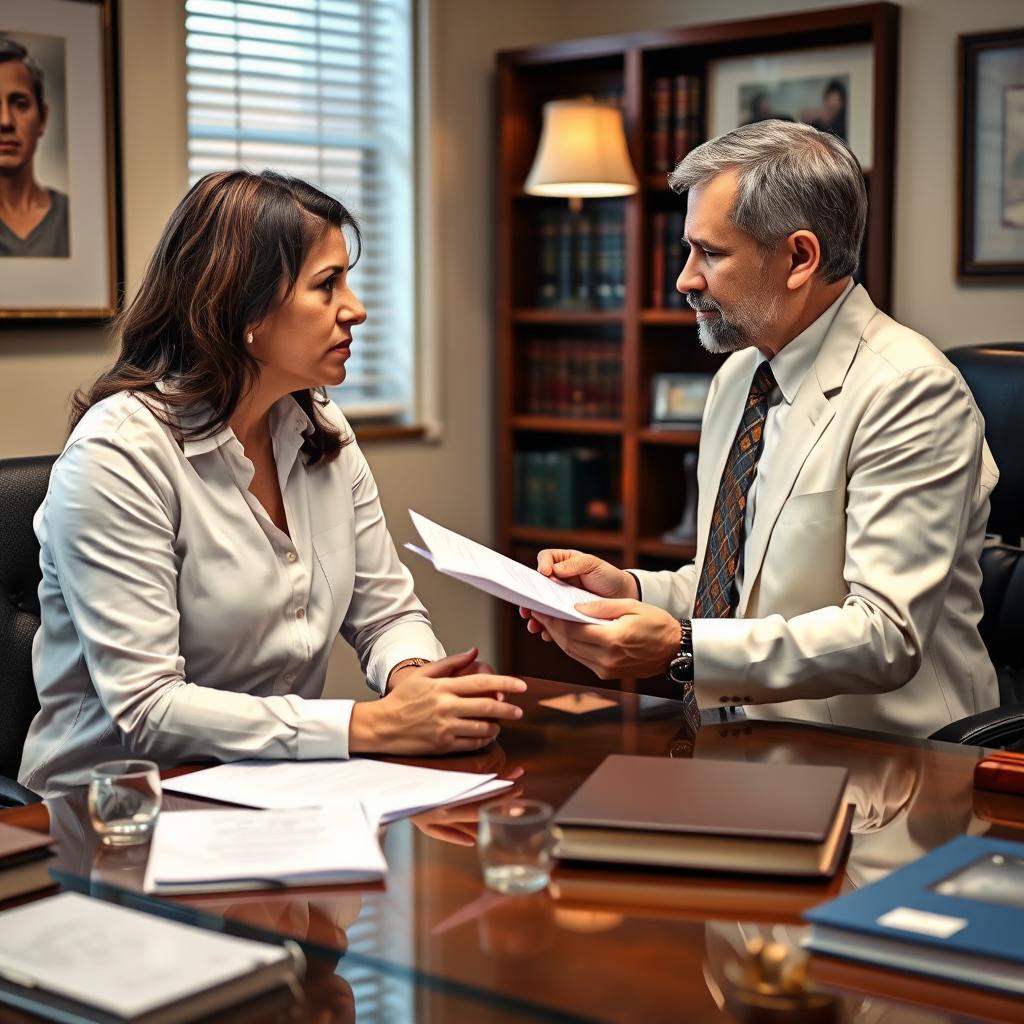
Domestic Violence Immigration Lawyer Roanoke, VA
Immigration status often becomes a weapon in an abusive relationship. A spouse, parent, or adult child may threaten to withdraw a petition, report someone to immigration authorities, or exploit the victim’s lack of independent legal status. For Roanoke residents living in fear, the Violence Against Women Act (VAWA) offers a confidential path to lawful permanent residence that does not require the abuser’s cooperation or knowledge. Mr. Sris, Owner and Founder of Law Offices Of SRIS, P.C., and his Of Counsel team assist victims throughout the Roanoke Valley with VAWA self‑petitions, adjustment of status, and related immigration relief. Federal law shields survivors; your petition is handled without alerting the abuser. Clients throughout Virginia, from Roanoke City to surrounding counties, can reach Mr. Sris and his team for a consultation. Contact Law Offices Of SRIS, P.C. at (888) 437‑7747 to discuss your situation in confidence. Law Offices Of SRIS, P.C. – Advocacy Without Borders.
What Domestic Violence Immigration Means in Roanoke, Virginia
Roanoke’s growing immigrant community includes spouses, children, and parents whose security depends on a U.S.‑citizen or lawful‑permanent‑resident family member. When that relationship turns abusive, the victim’s immigration future is often held hostage. VAWA, codified at 8 U.S.C. § 1154(a)(1)(A)(iii)–(iv), breaks this dependency by allowing a qualifying abused spouse, child, or parent to self‑petition for lawful status without the abuser’s involvement. The petition is filed directly with U.S. Citizenship and Immigration Services (USCIS). Confidentiality provisions prohibit disclosure of any information that could reach the abuser. For Roanoke residents, affirmative filings are processed through the USCIS field offices that handle Virginia cases; removal defense matters, if they arise, are heard at the Arlington Immigration Court. Because immigration law is exclusively federal, a local Virginia courthouse does not adjudicate these petitions, but the procedural familiarity of an attorney who understands how USCIS and the Executive Office for Immigration Review operate matters significantly. Mr. Sris and his Of Counsel bring that familiarity to every Roanoke VAWA matter.
VAWA self‑petitions are available regardless of the victim’s current immigration status, whether documented, undocumented, or in removal proceedings. The law recognizes several categories of abuse—physical battery, extreme cruelty, threats, and coercive control—and requires a showing that the victim: (1) has a qualifying relationship with the abuser, (2) resided with the abuser at some point, (3) has good moral character, and (4) suffered battery or extreme cruelty. By filing a Form I‑360, the victim can obtain an approved self‑petition and, if a visa number is immediately available, may also apply for adjustment of status to lawful permanent residence. The entire process is designed to protect the victim’s safety; no interview with the abuser is required, and the abuser receives no notice. For Roanoke families where the abusive spouse or parent controls all financial resources and documentation, this independence is life‑changing.
How Mr. Sris and His Of Counsel Handle Domestic Violence Immigration Cases
Every VAWA case begins with a private consultation in which the client describes the relationship and the abuse. Mr. Sris and his Of Counsel listen carefully and explain what categories of evidence can support the petition without alerting the abuser. Because many victims lack police reports or medical records—often because the abuser prevented them from seeking help—the team identifies alternative documentation: statements from counselors, clergy, co‑workers, or neighbors; school records that show the impact on children; affidavits from the victim and others; and any messages, photos, or records that corroborate the abuse. The team organizes this evidence into a factual declaration and supporting exhibits tailored to the USCIS adjudicator’s expectations.
The filing itself is handled with strict confidentiality. USCIS is instructed not to contact the abuser, and all correspondence is directed to the attorney. If the client is in removal proceedings, Mr. Sris can pursue VAWA relief before the Immigration Judge at the Arlington Immigration Court, often in conjunction with a motion to terminate or administratively close proceedings. Throughout the process, the client works with Mr. Sris and his Of Counsel who understand how immigration decisions are made and who can navigate the procedural steps without exposing the victim to further harm. The timeline varies by case complexity and USCIS processing, but every step is managed with the client’s safety as the top priority.
About Mr. Sris and His Of Counsel Team
Mr. Sris, Owner and Founder of Law Offices Of SRIS, P.C., has practiced immigration law since 1997. He is admitted in Virginia, Maryland, the District of Columbia, New Jersey, and New York. A former prosecutor, he brings years of litigation experience to the representation of victims of domestic violence. Mr. Sris testified before the Virginia House Courts of Justice Committee in support of 2019 HB 635 (chief patron Del. David Bulova). Mr. Sris and his Of Counsel bring extensive combined legal experience; their work in immigration matters includes VAWA self‑petitions, adjustment of status, deportation defense, and family‑based petitions. Results may vary. Together, Mr. Sris and his Of Counsel serve clients in Roanoke and throughout Virginia, focusing on preserving the safety and legal standing of victims who cannot rely on an abusive family member for immigration benefits. Reach Law Offices Of SRIS, P.C. at (888) 437‑7747 to request a consultation.
Frequently Asked Questions
What is a VAWA self‑petition, and who qualifies?
A VAWA self‑petition is an immigration benefit that allows certain abused spouses, children, or parents of U.S. Citizens or lawful permanent residents to file for lawful status without the abuser’s involvement. To qualify, you must demonstrate that you have a qualifying relationship with the abuser, that you resided with the abuser at some point, that you have good moral character, and that you suffered battery or extreme cruelty. The self‑petition is filed confidentially with USCIS on Form I‑360; the abuser is never notified. If the petition is approved and a visa is immediately available, you may apply for a green card through adjustment of status. For guidance on your specific situation, reach Law Offices Of SRIS, P.C. at (888) 437‑7747.
Do I need a lawyer to file a domestic violence immigration petition in Roanoke?
You are not required by law to have a lawyer, but working with an experienced immigration attorney helps ensure that the petition is thorough, that evidence of abuse is properly documented, and that confidentiality protections are maintained throughout the process. A lawyer can identify alternative forms of evidence when police or medical records are unavailable, address good‑moral‑character issues, and represent you if removal proceedings are pending. Because VAWA petitions involve sensitive personal information and legal standards that are applied strictly, many victims find that legal guidance reduces the risk of denial and unnecessary delay. To discuss your matter, contact Law Offices Of SRIS, P.C. at (888) 437‑7747.
How does the VAWA process work for someone living in Roanoke?
The process begins with a confidential consultation, followed by gathering evidence, preparing a self‑petition (Form I‑360), and filing it with USCIS. Roanoke residents’ petitions are processed through the same USCIS system that handles all Virginia cases; if the applicant is in removal proceedings, the case is heard at the Arlington Immigration Court. Throughout the process, Mr. Sris and his Of Counsel communicate with the client and handle correspondence while the abuser receives no information. After the I‑360 is approved, the client may apply for a work permit and, if eligible, adjustment of status. For a consultation, reach Mr. Sris and his Of Counsel at (888) 437‑7747.
What evidence is needed to prove abuse under VAWA?
USCIS looks for credible evidence of battery or extreme cruelty; the type of evidence depends on what the victim has available. Examples include sworn affidavits from the victim and witnesses, police or medical reports, orders of protection, photographs, records from shelters or counselors, threat messages, and any documents that show control or isolation. Many victims cannot provide police reports, so a detailed personal declaration describing the abuse often forms the core of the filing. An experienced attorney can help identify alternative documentation and present it effectively. To discuss the details of your matter, contact Law Offices Of SRIS, P.C. at (888) 437‑7747.
Can I file for VAWA immigration relief if I am undocumented?
Yes; VAWA self‑petitions are available regardless of the victim’s current immigration status. A person who is undocumented or who has overstayed a visa can still file a self‑petition if the qualifying relationship and abuse requirements are met. The confidential nature of the VAWA process protects the petitioner from enforcement action based solely on information supplied in the petition. If the self‑petition is approved, the approved individual may then apply for lawful permanent residence, depending on statutory requirements. For guidance on your specific situation, reach Law Offices Of SRIS, P.C. at (888) 437‑7747.
What if the abuser is the one sponsoring my current immigration case?
A VAWA self‑petition allows you to seek lawful status independently, breaking the abuser’s control over your immigration sponsorship. If the abuser has withdrawn an I‑130 petition, refused to file one, or is threatening to do so, you may be able to file your own I‑360. The petition is adjudicated without the abuser’s knowledge. Once the I‑360 is approved, you may no longer need the abuser’s sponsorship, and if you are in removal proceedings, the approval can be the basis for relief before the Immigration Judge. To discuss the details of your matter, contact Law Offices Of SRIS, P.C. at (888) 437‑7747.
Primary‑Source Legal Authority
The Violence Against Women Act is codified in the Immigration and Nationality Act. Key statutory provisions can be reviewed at the following official sources: 8 U.S.C. § 1154 — VAWA self‑petition eligibility; USCIS — Green Card for VAWA Self‑Petitioner; and Virginia’s Judicial System for information about local court resources often referenced in documentation of abuse, such as protective orders issued in Virginia circuit and district courts.
Attorney advertising. Prior results do not guarantee a similar outcome.
Results may vary. All consultations are by appointment. Phones are answered 24 hours a day, 365 days a year. past results do not guarantee a similar outcome.
Case results depend on a variety of factors unique to each case.