
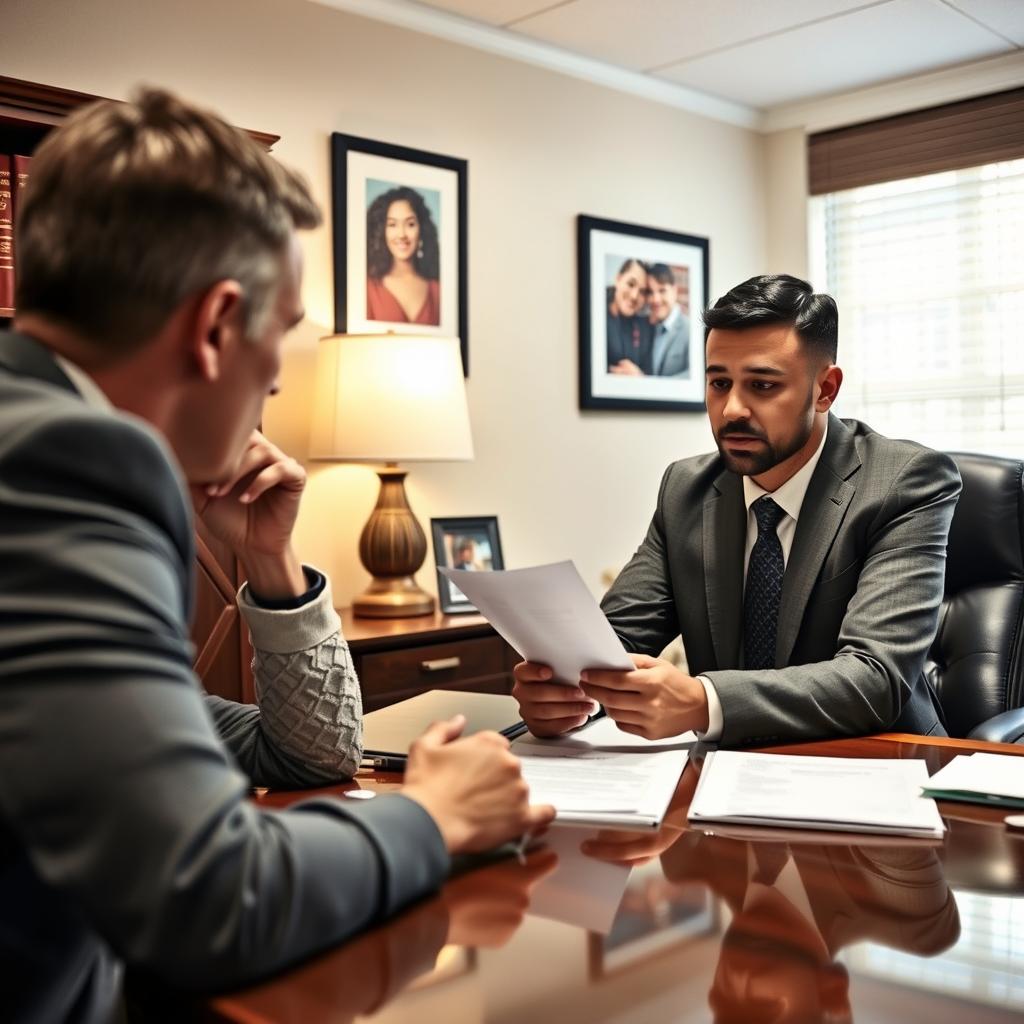
Fiancé Visa Lawyer Roanoke, VA
Bringing a foreign national fiancé(e) to the United States requires navigating specific Immigration and Nationality Act provisions and USCIS procedures. For Roanoke, Virginia residents, a K‑1 fiancé visa petition is the first step toward marriage and permanent residency. At Law Offices Of SRIS, P.C., Mr. Sris and his Of Counsel concentrate their federal immigration practice on helping clients in Roanoke and the surrounding western Virginia communities present complete and well-documented K‑1 petitions, respond to Requests for Evidence, and prepare couples for the consular interview. Federal immigration matters are handled through USCIS and the Department of State, and our firm is able to represent Roanoke clients in every stage of the process, from the initial I‑129F filing through adjustment of status after marriage. To request a consultation about a fiancé visa, contact our firm at (888) 437‑7747. Law Offices Of SRIS, P.C. – Advocacy Without Borders.
What a Fiancé Visa Means in Roanoke
A K‑1 nonimmigrant visa permits a United States citizen to bring a foreign national fiancé(e) to this country for the purpose of marrying within 90 days of admission and then applying for permanent resident status. For a couple where the U.S. Citizen resides in Roanoke, the legal steps are identical to those in any other part of the country because the K‑1 category is governed entirely by federal law. The governing statute is 8 U.S.C. § 1101(a)(15)(K) and the implementing regulations appear in Title 8 of the Code of Federal Regulations.
Even though immigration law is federal, the practical pathway for a Roanoke petitioner can be shaped by the geographic proximity to the USCIS Washington Field Office in Fairfax, Virginia, and the Arlington Immigration Court. Affirmative applications such as the I‑129F petition are mailed to the designated USCIS service center, but interviews for adjustment of status after marriage are typically conducted at the Washington Field Office. If a case requires a hearing—for example, if the beneficiary is in removal proceedings—the matter may be heard at the Arlington Immigration Court. Our Fairfax location allows Mr. Sris and his Of Counsel to maintain familiarity with both venues, and that familiarity benefits Roanoke-area families throughout the application and adjudication timeline.
How Mr. Sris and His Of Counsel Handle Fiancé Visa Cases
Mr. Sris and his Of Counsel approach every K‑1 matter by building a file that addresses the three core requirements of the petition: proof of the petitioner’s U.S. Citizenship, evidence that the couple has met in person within the two years preceding the filing (or qualifies for a waiver of that requirement), and documentation of a genuine intent to marry.
Once the initial I‑129F packet is assembled, it is reviewed for consistency with the supporting declarations, photographs, travel records, and any prior immigration history of the beneficiary. If USCIS issues a Request for Evidence, our attorneys respond with focused supplemental submissions that address the examiner’s specific concerns. After the petition is approved, we guide clients through the National Visa Center processing stage and help them prepare for the consular interview abroad. For Roanoke clients, our firm communicates with USCIS and the Department of State on the client’s behalf and remains available to answer questions about subsequent steps, including the I‑485 adjustment of status application once the marriage takes place in the United States.
About Mr. Sris and His Of Counsel Team
Mr. Sris, Owner and Founder of Law Offices Of SRIS, P.C., is a former prosecutor who has practiced immigration law since the firm’s founding in 1997. He is admitted in Virginia, Maryland, the District of Columbia, New Jersey, and New York, giving him the ability to represent Roanoke clients in federal immigration matters and related proceedings. Mr. Sris testified before the Virginia House Courts of Justice Committee in support of 2019 HB 635 (chief patron Del. David Bulova).
The firm’s Of Counsel attorneys work alongside Mr. Sris on fiancé visa cases, drawing on their individual backgrounds in law enforcement, prosecution, and federal court practice. Mr. Sris and his Of Counsel bring extensive combined legal experience to fiancé visa matters. Results may vary. in your case. Every client’s file is handled collaboratively to ensure that the petition, supporting evidence, and any administrative responses meet the governing legal standards.
Frequently Asked Questions
What is a K‑1 fiancé visa?
A K‑1 visa is a nonimmigrant visa that allows a U.S. Citizen’s foreign-national fiancé(e) to enter the United States to marry within 90 days and then apply for lawful permanent residence. The U.S. Citizen must file Form I‑129F with USCIS, and both parties must be legally free to marry. Once the petition is approved, the foreign national applies for the visa at a U.S. Consulate abroad, attends an interview, and, if the visa is issued, travels to the United States to wed within the required period. After the marriage, the foreign national may file for adjustment of status to become a permanent resident.
Who qualifies for a fiancé visa?
The petitioner must be a U.S. Citizen, and the couple must have met in person within the two years before filing the I‑129F petition, unless a waiver of the meeting requirement applies based on cultural or extreme hardship grounds. Both individuals must be legally able to marry, meaning any prior marriages must have been lawfully terminated. The foreign national beneficiary must be admissible to the United States or qualify for a waiver of inadmissibility. Immigration authorities will look for evidence that the relationship is bona fide and not entered into solely for immigration purposes.
How long does the fiancé visa process take?
Processing times for a K‑1 visa vary based on USCIS workload, the specific service center handling the petition, and the consular post abroad where the visa interview takes place. While the Immigration and Nationality Act does not prescribe a statutory deadline for K‑1 adjudication, thorough preparation of the initial petition and prompt responses to any Requests for Evidence can help avoid unnecessary delays. A consultation with experienced immigration counsel can provide a realistic assessment of current processing benchmarks and flag potential complications early.
What happens after the fiancé visa is approved?
Once the K‑1 visa is issued, the foreign national travels to the United States, and the couple must marry within 90 days of entry. After the marriage, the foreign national can file Form I‑485 to adjust status to that of a lawful permanent resident. The adjustment application will include a medical examination, biometrics, and an interview at the local USCIS field office, which for most Virginia residents is the Washington Field Office in Fairfax. Work authorization and advance parole travel documents may also be requested while the adjustment application is pending.
Do I need a lawyer for a fiancé visa in Roanoke?
You are not legally required to hire an attorney to file a fiancé visa petition, but working with experienced immigration counsel can help you avoid common filing errors and substantiate the validity of the relationship. A lawyer can identify potential issues—such as prior immigration violations, criminal history, or gaps in the meeting requirement—before USCIS raises them. For Roanoke residents, Mr. Sris and his Of Counsel offer consultations to review the details of your specific circumstances and help you decide whether legal representation is appropriate for your case. To discuss your matter, contact our firm at (888) 437‑7747.
What if the fiancé visa petition is denied?
A denial of the I‑129F petition may be appealed or re‑filed, depending on the basis for the decision and the underlying facts. USCIS may deny a petition if it finds insufficient evidence of a qualifying relationship, discrepancies in the documentation, or grounds of inadmissibility that have not been adequately addressed. In some situations, the correct approach is to file a new petition with stronger supporting evidence, while in other cases a motion to reopen or reconsider may be appropriate. The trusted course of action depends on the specific reasons stated in the denial notice, and an experienced immigration attorney can evaluate those reasons and outline the options available.
For other Virginia locations, see our pages for immigration matters in Fairfax County, Prince William County, and Manassas. To read more about the firm’s statewide immigration practice, visit our Virginia immigration hub.
Attorney advertising. Prior results do not guarantee a similar outcome.
Case results depend on a variety of factors unique to each case.