
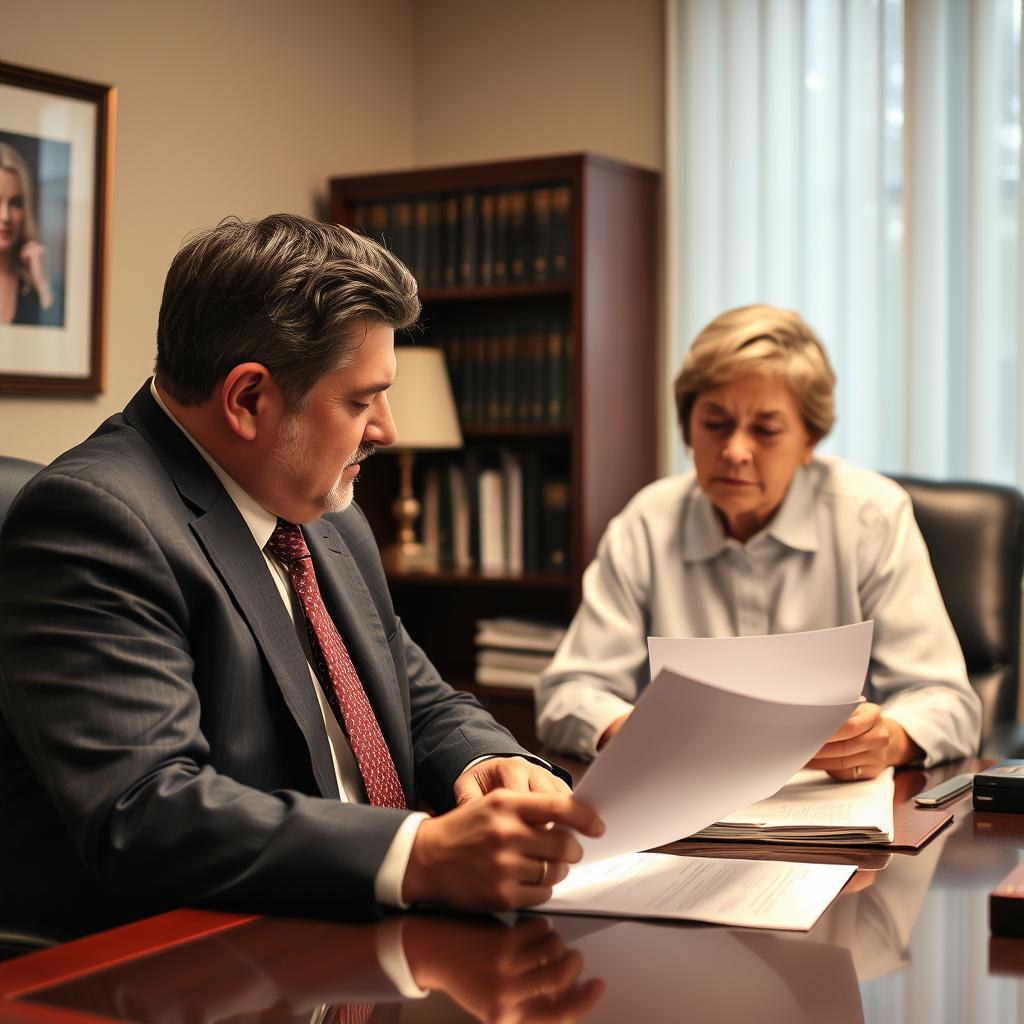
Misprision of a Felony lawyer Bedford County, VA
Under 18 U.S.C. § 4, misprision of a felony is a federal criminal offense that carries a maximum penalty of three years in prison. The government must prove that you had actual knowledge of a federal felony, took an affirmative step to conceal it, and failed to report it to a judge or other civil or military authority. In Bedford County and throughout the Western District of Virginia, these charges are prosecuted by the U.S. Attorney’s Office with the resources of federal investigative agencies such as the FBI. Because federal conviction rates are high and the United States Sentencing Guidelines apply, early engagement of experienced federal defense counsel is critical. Mr. Sris and the firm’s Of Counsel attorneys represent clients in misprision of a felony matters before the U.S. District Court for the Western District of Virginia. To request a consultation, reach Law Offices Of SRIS, P.C. at (888) 437-7747. Law Offices Of SRIS, P.C. – Advocacy Without Borders.
The maximum imprisonment for misprision of a felony is three years.
Source: 18 U.S.C. § 4. 18 U.S.C. § 4 via LII
Reviewed by Mr. Sris, admitted in VA/MD/DC/NJ/NY.
What Misprision of a Felony Means in Bedford County
Misprision of a felony is a distinct federal charge that does not exist in the Virginia state code. While many Bedford County criminal matters proceed through the Bedford County General District Court or Circuit Court, a charge under 18 U.S.C. § 4 is filed exclusively in federal court. The U.S. District Court for the Western District of Virginia hears these cases, with the main courthouse located in Roanoke and additional divisions in Charlottesville, Abingdon, Lynchburg, and Harrisonburg. Bedford County residents who are under investigation often encounter federal agents from the FBI, DEA, or IRS–Criminal Investigation before any charge is filed.
The elements the government must prove are specific. First, the government must establish that a federal felony was committed by someone else. Second, it must show that you knew about that felony. Third, it must prove that you did not report the crime to authorities as soon as possible. Fourth, it must demonstrate an affirmative act of concealment—something more than silence, such as hiding evidence, providing a false alibi, or misleading investigators. A person who merely fails to report a crime without taking active steps to conceal it is not guilty of misprision under current federal law. The distinction between passive failure to report and active concealment is often the central legal issue in these cases, and our attorneys examine the facts carefully to determine whether the government can meet its burden.
How Mr. Sris and His Of Counsel Handle Misprision of a Felony Cases
Federal misprision investigations often begin subtly. An individual may be contacted by an FBI agent who refers to an ongoing investigation of another person and asks seemingly routine questions. At that point, the line between witness and target can be thin. Mr. Sris and the firm’s Of Counsel attorneys advise clients to decline any interview with federal agents until counsel is present. Statements made without counsel can be mischaracterized as false statements under 18 U.S.C. § 1001 or can become the basis for a misprision charge if the government later argues the interviewee concealed knowledge.
Once representation is established, our attorneys engage with the Assistant U.S. Attorney assigned to the matter and, when appropriate, with the investigating agency. We evaluate the strength of the evidence on each element—whether the client actually possessed knowledge of a felony, whether the prosecution can prove an affirmative act of concealment, and whether any reporting obligation arose. Pre-indictment advocacy can sometimes persuade the government to decline prosecution or to consider a non-criminal resolution. If charges are filed, we litigate evidentiary issues, challenge the sufficiency of the indictment, and prepare thoroughly for trial or sentencing. At sentencing, we present mitigating evidence and argue for a sentence consistent with the factors under 18 U.S.C. § 3553(a).
About Mr. Sris and His Of Counsel
Mr. Sris, Owner and Founder of Law Offices Of SRIS, P.C., is a former prosecutor and has practiced federal criminal defense since 1997. He is admitted in Virginia, Maryland, the District of Columbia, New Jersey, and New York, and has experience appearing before the U.S. District Court for the Western District of Virginia. Mr. Sris testified before the Virginia House Courts of Justice Committee in support of 2019 HB 635 (chief patron Del. David Bulova).
The firm’s Of Counsel attorneys bring extensive combined legal experience. Mr. Sris and his Of Counsel work collaboratively to evaluate federal misprision allegations, construct defense strategies, and represent clients at every stage of a federal case. Results may vary.
Frequently Asked Questions
What is misprision of a felony under 18 U.S.C. § 4?
Misprision of a felony is the federal crime of knowing about a federal felony, actively concealing it, and failing to report it to authorities. The offense requires more than mere silence. Under 18 U.S.C. § 4, a conviction requires proof of an affirmative act of concealment—such as destroying evidence, lying to investigators, or helping the principal offender avoid detection. A person who simply fails to volunteer information to law enforcement without taking any active step to hide the crime is not guilty of misprision. The maximum penalty is three years in federal prison, and federal sentencing guidelines apply. Because the line between passive non-reporting and active concealment is often litigated, early legal guidance can influence whether a charge is brought at all.
What must the government prove to convict someone of misprision of a felony?
The government must prove four elements beyond a reasonable doubt: knowledge of an actual federal felony, failure to report it to a judge or other civil or military authority, an affirmative act of concealment, and the commission of the underlying felony by another person. The prosecution cannot rely on mere suspicion or a belief that a crime may have occurred; the defendant must have had actual knowledge of a completed federal felony. The affirmative-act requirement is the most heavily contested element—cases often turn on whether the defendant’s conduct was active concealment or merely passive nondisclosure. The underlying felony must be a federal offense; knowledge of a state crime is not sufficient. Our defense attorneys scrutinize each element to identify weaknesses in the government’s case.
What should I do if federal agents contact me about a misprision investigation?
If FBI agents or other federal investigators contact you about another person’s criminal activity, politely decline to speak with them and contact a federal criminal defense attorney immediately. Anything you say can be used not only as evidence of misprision of a felony but also as the basis for a false-statements charge under 18 U.S.C. § 1001. You have a Fifth Amendment right to remain silent and a Sixth Amendment right to counsel. Do not attempt to explain the situation, correct a misunderstanding, or provide documents without an attorney present. By engaging counsel before answering questions, you protect your legal rights and avoid creating unintended liability. Mr. Sris and his Of Counsel can communicate with federal authorities on your behalf.
How does a misprision of a felony case proceed in the Western District of Virginia?
After an investigation by a federal agency such as the FBI, the case is presented to a grand jury; if an indictment is returned, the defendant appears before a magistrate judge for an initial appearance and detention hearing, followed by arraignment, discovery, pretrial motions, and ultimately trial or a change of plea. The Speedy Trial Act governs the timeline, though excludable delays often extend the schedule. Sentencing occurs under the U.S. Sentencing Guidelines, which remain advisory after United States v. Booker. Because there is no parole in the federal system, early and strategic advocacy matters. Our attorneys have experience navigating the procedures of the U.S. District Court for the Western District of Virginia, including its Roanoke, Lynchburg, and other divisional locations.
Do I need a lawyer if I only witnessed a crime and did not participate?
Yes—being a witness to a federal felony does not automatically make you a defendant, but the line between witness and target can shift quickly. Federal prosecutors and agents sometimes use misprision statutes when they believe a witness took steps to conceal the crime, even if the witness never participated in it. Speaking with an attorney before speaking with investigators helps you understand your exposure and ensures that any cooperation with the government is handled in a way that protects your interests. An experienced federal defense lawyer can distinguish mere witness status from conduct that might satisfy the affirmative-concealment element and can advise you on whether a proffer agreement or limited immunity arrangement is appropriate.
Federal Criminal Defense in Other Virginia Localities
- Federal Criminal Lawyer Fairfax County, VA
- Federal Criminal Lawyer Prince William County, VA
- Federal Criminal Lawyer Manassas, VA
Primary Legal Authority
- U.S. District Court for the Western District of Virginia
- 18 U.S.C. § 4 (Misprision of a Felony)
- Virginia’s Judicial System
Attorney advertising. Prior results do not guarantee a similar outcome. Case results depend on a variety of factors unique to each case. Results may vary.