
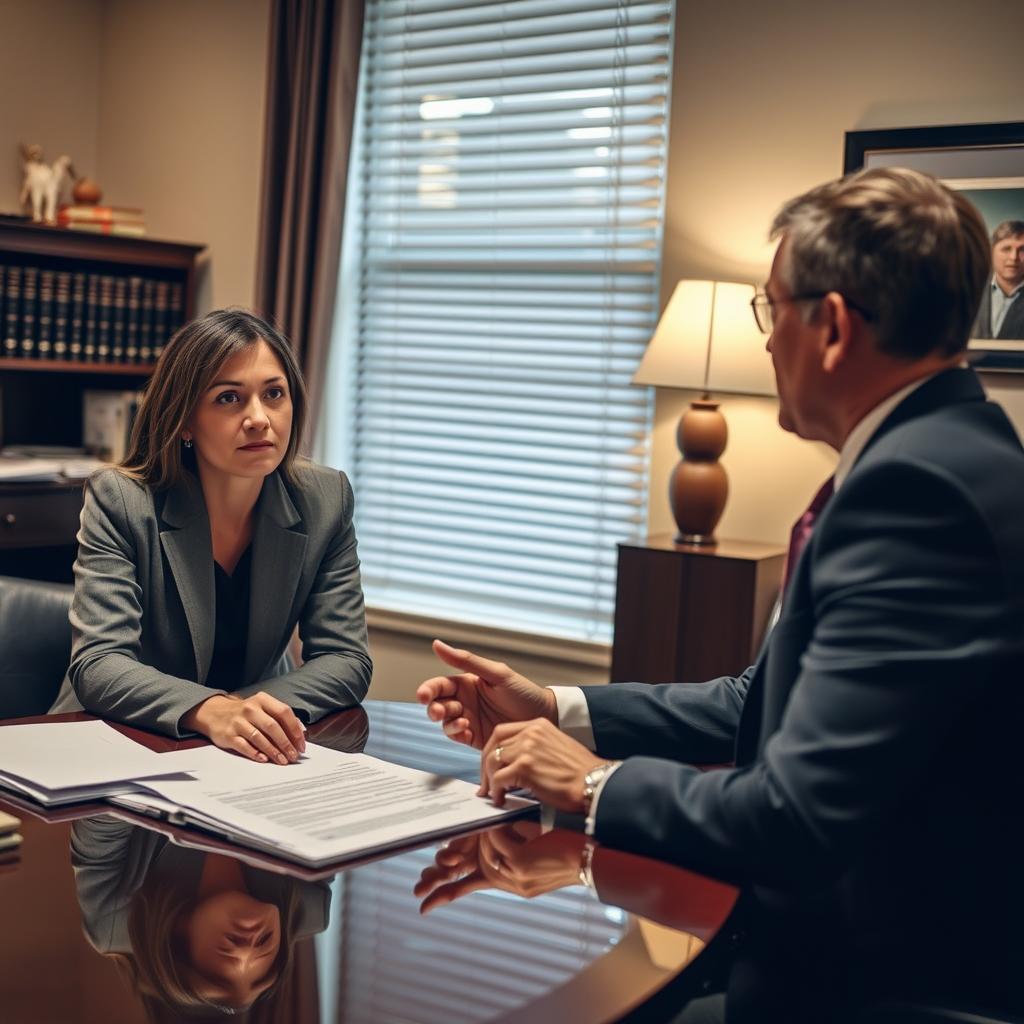
Postnuptial Agreement Lawyer Bedford County, VA
A postnuptial agreement allows married couples to define property division and financial responsibilities if the marriage later ends. In Bedford County, Virginia, these agreements are governed by the Virginia Premarital Agreement Act (Va. Code § 20‑147 et seq.) and must meet specific statutory standards to be enforceable. At Law Offices Of SRIS, P.C., Mr. Sris and the firm’s Of Counsel attorneys work with spouses throughout Bedford, Forest, Smith Mountain Lake, and Moneta to draft, review, and litigate postnuptial agreements that provide clarity and help reduce future conflict. Whether you are considering entering into an agreement or facing a dispute over one already signed, experienced legal guidance can help protect your interests. Reach Law Offices Of SRIS, P.C. at (888) 437‑7747 to request a consultation. Law Offices Of SRIS, P.C. – Advocacy Without Borders.
What a Postnuptial Agreement Means in Bedford County, Virginia
Virginia law treats a postnuptial agreement as a contract between spouses executed after marriage. The Premarital Agreement Act applies equally to agreements made after the wedding, and the same statutory requirements—voluntary execution, full financial disclosure, and a writing signed by both parties—govern enforceability. In Bedford County, any challenge to the validity of a postnuptial agreement typically arises in the Bedford County Circuit Court, which has exclusive jurisdiction over divorce and equitable distribution matters. The court evaluates whether the agreement was entered into freely, whether both parties had adequate knowledge of each other’s assets and obligations, and whether enforcement would be unconscionable.
Bedford County couples often use postnuptial agreements to address changed circumstances during the marriage, such as an inheritance, a business started after the wedding, or a spouse’s decision to leave the workforce. The agreement can classify property as separate or marital, waive or limit spousal support claims, and set out how debts will be handled. Because Virginia is an equitable distribution state—not a community property state—clear contractual terms can displace the default statutory factors under Va. Code § 20‑107.3, giving both parties a predictable outcome rather than leaving the division to judicial discretion. A carefully structured postnuptial agreement also reduces the cost and conflict of a future divorce proceeding, a consideration that matters especially in Bedford County where contested family law matters can be time‑consuming.
How Mr. Sris and the Firm’s Of Counsel Attorneys Handle Postnuptial Agreement Cases
Mr. Sris and the firm’s Of Counsel attorneys begin with a confidential consultation to understand what the couple hopes to accomplish, the nature of their assets and debts, and any particular concerns—such as a family business in the Smith Mountain Lake area or retirement accounts that one spouse accumulated before the marriage. The team then drafts an agreement tailored to the couple’s circumstances, ensuring every term aligns with the statutory requirements of the Premarital Agreement Act and with Virginia case law on enforceability. The drafting process includes a thorough disclosure of each spouse’s financial position, often with supporting documentation, because incomplete or misleading disclosure is one of the most common grounds for a later challenge.
When both spouses are represented by independent counsel, the resulting agreement is far less vulnerable to attack. The firm can represent one party in a negotiation while a separate attorney advises the other spouse, or the firm can serve as mediator‑draftsperson if both parties agree and appropriate disclosures are made. If a dispute later arises over an existing agreement—for example, a claim that it was signed under duress or that the financial landscape has changed so much that enforcement would be inequitable—Mr. Sris and the firm’s Of Counsel attorneys appear in the Bedford County Circuit Court to advocate their client’s position. Throughout, the focus remains on protecting the client’s objectives while staying within the boundaries of Virginia law.
About Mr. Sris and the Firm’s Of Counsel Attorneys
Mr. Sris, Owner and Founder of Law Offices Of SRIS, P.C., has practiced family law since founding the firm in 1997. A former prosecutor, he understands how to build a record, marshal evidence, and present a persuasive argument in court—skills that transfer directly to contested postnuptial‑agreement litigation. The firm’s Of Counsel attorneys bring additional depth from backgrounds that include prior service as a Virginia State Trooper and as a Maryland Assistant State’s Attorney, as well as decades of family law trial experience. Together, Mr. Sris and the firm’s Of Counsel attorneys provide extensive combined legal experience. Results may vary.
Law Offices Of SRIS, P.C. maintains a Shenandoah location in Woodstock, Virginia, and serves Bedford County couples from that location. The firm is admitted to practice in Virginia, Maryland, the District of Columbia, New Jersey, and New York, and consultations are available by appointment. Reach the firm at (888) 437‑7747.
Frequently Asked Questions About Postnuptial Agreements in Bedford County
What is a postnuptial agreement in Virginia?
A postnuptial agreement is a written contract between spouses, executed after marriage, that governs property division, spousal support, and other financial matters in the event of divorce or death. Virginia law recognizes postnuptial agreements under the same statutory framework as prenuptial agreements—the Virginia Premarital Agreement Act (Va. Code § 20‑147 et seq.). The agreement can designate which assets are separate and which are marital, alter the default equitable‑distribution rules, and set the terms for any future support obligation. To be enforceable, it must be signed voluntarily by both parties and accompanied by full and fair disclosure of each spouse’s financial circumstances.
Are postnuptial agreements enforceable in Virginia?
Yes—if the agreement meets Virginia’s statutory requirements and is not unconscionable. The Bedford County Circuit Court will enforce a postnuptial agreement that was made voluntarily, after adequate financial disclosure, and without fraud, duress, or overreaching. Even if the agreement gives one spouse a significantly better financial outcome, Virginia courts generally respect the parties’ freedom to contract unless the terms are so one‑sided that enforcement would shock the conscience. In a later divorce, the party seeking to avoid the agreement bears the burden of proving it is invalid, making proper drafting and execution at the outset critical.
What can a postnuptial agreement cover in Bedford County?
A postnuptial agreement can address almost any financial aspect of the marriage, including classification of property, division of assets and debts, spousal support, and the rights or obligations of each spouse with respect to property upon death. Common provisions for Bedford County couples include protecting a family farm or business, preserving an inheritance for children from a prior relationship, allocating retirement accounts and pensions, and defining what happens to the marital home on Smith Mountain Lake. The agreement cannot, however, determine child custody or child support—those issues remain subject to court determination based on the child’s best interests at the time of a separation. India is not a signatory to the 1980 Hague Convention on Civil Aspects of International Child Abduction.
How is a postnuptial agreement different from a prenuptial agreement?
The primary difference is timing: a prenuptial agreement is executed before the marriage, while a postnuptial agreement is signed after the wedding. Virginia law subjects both to the same substantive requirements under the Premarital Agreement Act, but postnuptial agreements sometimes face additional scrutiny because spouses owe each other a heightened duty of good faith and fair dealing once they are married. A court may look more closely at whether one spouse took unfair advantage of the other when a postnuptial agreement is signed during a period of marital strain. Still, with full disclosure and independent legal advice, postnuptial agreements are regularly upheld in Bedford County courts.
Do I need a lawyer to draft a postnuptial agreement in Bedford County?
There is no legal requirement that you hire a lawyer, but representing yourself in a postnuptial agreement is risky because the document must comply with detailed statutory standards and will affect your financial future. An experienced family law attorney can ensure the agreement meets the formalities of the Premarital Agreement Act, provides for complete disclosure, and avoids terms that could be declared void. If both spouses retain independent counsel, any later claim of duress or inadequate disclosure becomes much harder to sustain. Mr. Sris and the firm’s Of Counsel attorneys can represent one party in the negotiations and, where appropriate, refer the other spouse to separate counsel.
How can a postnuptial agreement lawyer in Bedford County help my situation?
A lawyer can guide you through the process—from evaluating whether a postnuptial agreement is right for your marriage, to drafting terms that will withstand judicial scrutiny, to representing you in any enforcement or challenge proceeding in the Bedford County Circuit Court. Because each couple’s financial picture is unique, a one‑size‑fits‑all approach does not work. An attorney can identify assets that require special treatment under Virginia’s equitable‑distribution rules, negotiate language that protects your interests, and, if necessary, litigate the agreement’s validity. For a consultation, reach Law Offices Of SRIS, P.C. at (888) 437‑7747.
Related Pages:
Family Law Lawyer Fairfax County |
Family Law Lawyer Prince William County |
Family Law Lawyer Manassas
Virginia Legal Resources:
Virginia Premarital Agreement Act (Va. Code § 20‑147 et seq.) |
Bedford County Circuit Court
Last reviewed: July 2026
Attorney advertising. Prior results do not guarantee a similar outcome. Results may vary.
Case results depend on a variety of factors unique to each case.