
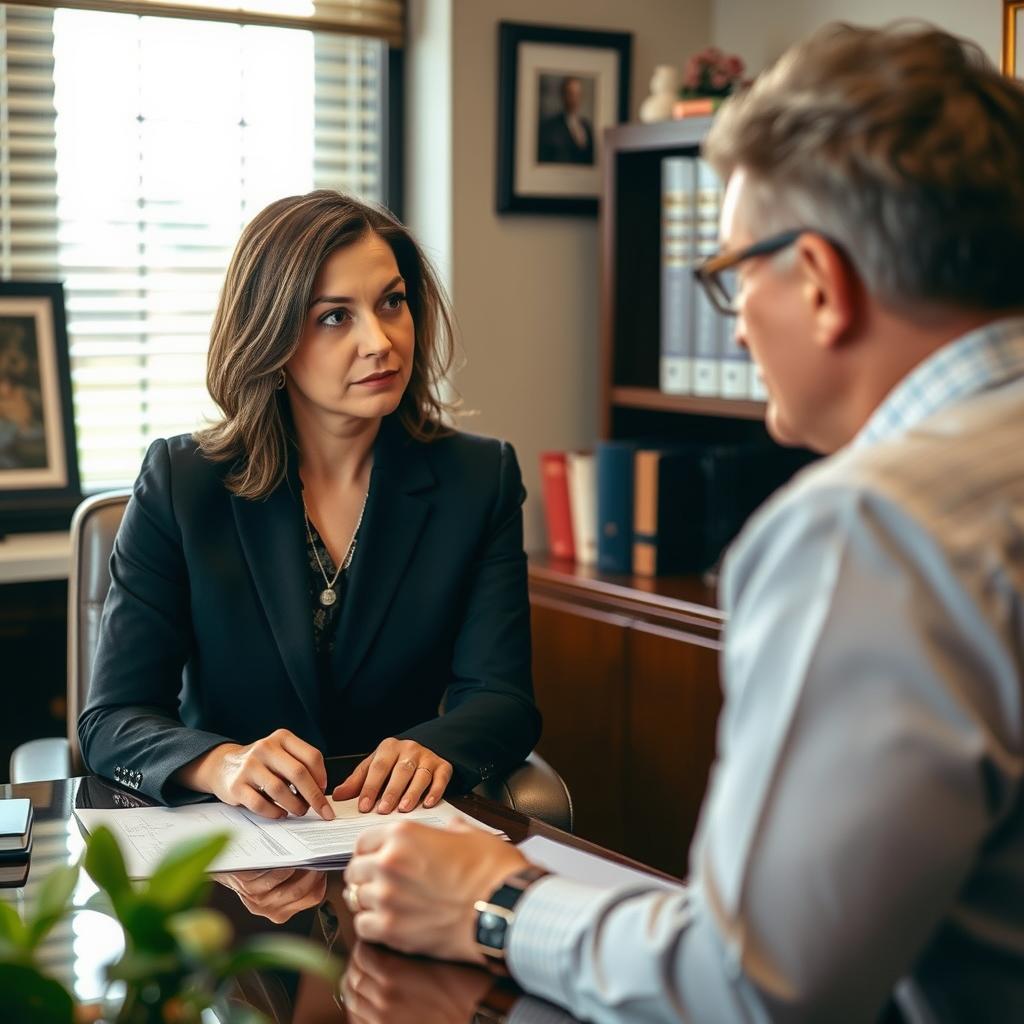
VAWA Immigration Lawyer Botetourt County, VA
If you are a noncitizen in Botetourt County who has experienced domestic violence, you may have a path to lawful status that does not depend on your abuser. The Violence Against Women Act (VAWA) allows certain abused spouses, children, and parents of U.S. Citizens or lawful permanent residents to file a self‑petition for immigration relief without the abuser’s knowledge or consent. Mr. Sris and the firm’s Of Counsel attorneys represent clients throughout Botetourt County—including Fincastle, Daleville, Troutville, Blue Ridge, and Eagle Rock—helping them prepare VAWA petitions and navigate the federal immigration process. Reach Law Offices Of SRIS, P.C. at (888) 437‑7747 to schedule a confidential consultation about your situation.
What VAWA Immigration Means in Botetourt County
VAWA immigration relief is a federal matter handled by U.S. Citizenship and Immigration Services (USCIS), not by the Virginia state courts. For Botetourt County residents, affirmative immigration applications—including VAWA self‑petitions, adjustment of status, and work permits—are processed at the USCIS Washington District Office at 2675 Prosperity Avenue in Fairfax, Virginia. Removal proceedings and deportation defense are heard at the Arlington Immigration Court at 1901 South Bell Street in Arlington. The local Botetourt County General District Court, located at 20 E. Back Street in Fincastle and presided over by the Hon. Christopher M. Billias, may handle related family‑law matters such as protective orders, but the immigration benefit itself is adjudicated by federal agencies.
Understanding the intersection between local court proceedings and federal immigration law is critical. A protective order issued by the Botetourt County General District Court under Virginia law can serve as key evidence in a VAWA self‑petition by demonstrating that the applicant has been subject to battery or extreme cruelty. Because immigration officers may weigh the existence and recency of a protective order heavily, working with attorneys who are familiar with both the local court system and the VAWA eligibility requirements ensures that evidence is presented in the manner most useful to the immigration adjudicator. Mr. Sris and the firm’s Of Counsel attorneys coordinate closely with clients to gather certified court records and police reports, translating local protective‑order outcomes into a compelling federal immigration petition.
How Mr. Sris and the Firm’s Of Counsel Attorneys Handle VAWA Immigration Cases
Handling a VAWA self‑petition requires careful screening, evidence gathering, and a thorough understanding of the statutory framework under 8 U.S.C. § 1154(a)(1)(A)(iii)–(iv). The first step is a confidential assessment to determine whether the prospective applicant meets the statutory criteria: the person must have a qualifying relationship to a U.S. Citizen or lawful permanent resident abuser, must have resided with the abuser, must have been subjected to battery or extreme cruelty, and must be a person of good moral character. Our attorneys evaluate each factor against the supporting evidence the client can provide, identify gaps that need to be filled, and develop a strategy tailored to the client’s individual circumstances.
Once eligibility is established, the legal team prepares and files Form I‑360, the VAWA self‑petition, along with a comprehensive package of supporting documentation. This evidence typically includes a detailed personal declaration, police reports, medical records, photographs, letters from witnesses or counselors, and any protective orders issued by a Virginia court. The firm’s Of Counsel attorneys also counsel clients on the ancillary benefits that become available once the VAWA petition is approved—including employment authorization, access to public benefits for certain applicants, and eventual eligibility for lawful permanent residence through adjustment of status. Throughout the process, regular communication with the client keeps them informed of case progress and upcoming deadlines.
About Mr. Sris and the Firm’s Of Counsel Attorneys
Mr. Sris, Owner and Founder of Law Offices Of SRIS, P.C., is a former prosecutor who has practiced immigration law since the firm’s founding in 1997. He is admitted to practice in Virginia, Maryland, the District of Columbia, New Jersey, and New York. Mr. Sris testified before the Virginia House Courts of Justice Committee in support of 2019 HB 635 (chief patron Del. David Bulova), demonstrating his commitment to improving the legal framework that affects families across the Commonwealth. His background in both prosecution and multi‑state practice gives him a broad perspective on the interplay between state‑court proceedings and federal immigration consequences.
The firm’s Of Counsel attorneys bring extensive combined legal experience and share Mr. Sris’s commitment to thorough case preparation. Across all practice areas, the firm has documented 33 case results in Botetourt County, all with favorable outcomes. Results may vary. Clients who work with us benefit from coordinated representation that draws on the collective knowledge of attorneys who understand local court practices, federal immigration procedures, and the unique sensitivities of domestic‑violence‑based cases.
Frequently Asked Questions
What is a VAWA self‑petition, and who qualifies?
A VAWA self‑petition allows certain abused noncitizens to seek lawful status independently of their abuser. To qualify, the applicant must be the spouse, child, or parent of a U.S. Citizen or lawful permanent resident who has subjected them to battery or extreme cruelty, and must have resided with the abuser. The applicant must also prove good moral character. The self‑petition is filed confidentially so the abuser is never notified. For VAWA‑based immigration guidance for Botetourt County residents, contact Law Offices Of SRIS, P.C. at (888) 437‑7747.
Do I need a protective order to file a VAWA immigration petition?
A protective order is not required, but it can substantially strengthen a VAWA case. While the statute does not mandate a protective order as a prerequisite, an order issued by a Virginia court such as the Botetourt County General District Court provides official documentation of abuse and can serve as compelling evidence that the applicant has been a victim of battery or extreme cruelty. Even without a protective order, other evidence such as police reports, medical records, and witness statements can satisfy the evidentiary standard. An experienced attorney can help you evaluate the evidence available in your specific situation.
What forms and fees are involved in a VAWA self‑petition?
The primary form is the I‑360, Petition for Amerasian, Widow(er), or Special Immigrant, which currently has no filing fee for VAWA self‑petitioners. A biometric services fee of $85 applies for applicants aged 14 through 79, though fee waivers are available for those who qualify under income guidelines. After the I‑360 is approved, if the applicant is eligible for adjustment of status, Form I‑485 and its associated fees will apply at that later stage. For a detailed fee breakdown and eligibility screening, reach Law Offices Of SRIS, P.C. at (888) 437‑7747.
How long does the VAWA self‑petition process take?
Processing times vary depending on USCIS workload and the specific facts of the case. Generally, the Vermont Service Center adjudicates VAWA I‑360 petitions as a priority, but the exact timeline cannot be predicted. Factors that may influence processing include the completeness of the application, the need for additional evidence, and routine changes in USCIS policy. After approval, obtaining a work permit (Form I‑765) can add additional weeks or months. For the most current processing estimates, consult the USCIS processing‑times webpage or discuss your case with an attorney.
Can I include my children in a VAWA self‑petition?
Yes, a VAWA self‑petition allows derivative coverage for unmarried children under 21. Qualifying children are included on the same I‑360 form and do not need to file separate petitions. The child must have been the direct victim of battery or extreme cruelty or must reside with the abused parent. If the child is over 21 or married, they may need to file their own separate VAWA petition. During a consultation, our attorneys can explain how derivative benefits work and help ensure all eligible family members are protected.
How does an attorney help with a VAWA immigration case?
An immigration attorney handles every stage of the VAWA petition—from assessing eligibility and gathering evidence to preparing the I‑360 and responding to USCIS requests. The attorney ensures that the self‑petition is properly documented, that good‑moral‑character evidence is persuasive, and that any criminal or immigration history is disclosed in a manner that does not prejudice the application. If the case is referred for an interview or receives a Request for Evidence (RFE), legal counsel prepares the client, drafts the response, and advocates for a favorable outcome. To discuss the details of your matter, contact Law Offices Of SRIS, P.C. at (888) 437‑7747.
Also serving clients in: Fairfax County, Prince William County, and Manassas.
Official resources: Virginia Judicial System | Virginia Code—Protective Orders
Attorney advertising. Prior results do not guarantee a similar outcome. Results may vary.
Case results depend on a variety of factors unique to each case.